- Home
- Make a Knit or Crochet Garment
- Baby Sweater
A Pattern for
Baby Sweater
Last Updated by Janice Jones, January 29, 2026
Making a baby sweater can feel surprisingly overwhelming at first.
Should you knit or crochet? What size should you make? Do you need a pattern? What yarn is actually safe for a baby’s skin?
If you’ve ever opened a baby sweater pattern and thought, “I’m not sure I’m ready for this”, you’re not alone.
This guide was created to walk you through the entire process of making a baby sweater, step by step, decision by decision, before you ever pick up your needles or hook. Instead of jumping straight into a pattern, we’ll start with the fundamentals so you understand how baby sweaters are designed, sized, and constructed, and how to choose the right approach for your skill level.
Whether you plan to knit or crochet, follow a pattern, or customize the fit, this page will help you:
- Understand how baby sweaters are shaped
- Choose appropriate sizing (and avoid common fit problems)
- Select yarn that’s comfortable, practical, and baby-safe
- Decide whether knitting or crocheting is the better option for you
- Know when a pattern helps, and when it doesn’t
You do not need advanced skills, garment-making experience, or drafting knowledge to use this guide. Many baby sweaters are built from simple shapes, and once you understand the structure, the process becomes far less intimidating.
This page is designed as a starting point and reference hub. Each section gives you the context you need and links to more detailed tutorials when you’re ready to go deeper, including full knit and crochet baby sweater instructions.
If your goal is a sweater that fits well, feels good, and is enjoyable to make, you’re in the right place. Let’s start by looking at the two main ways baby sweaters are made: knitting and crochet.
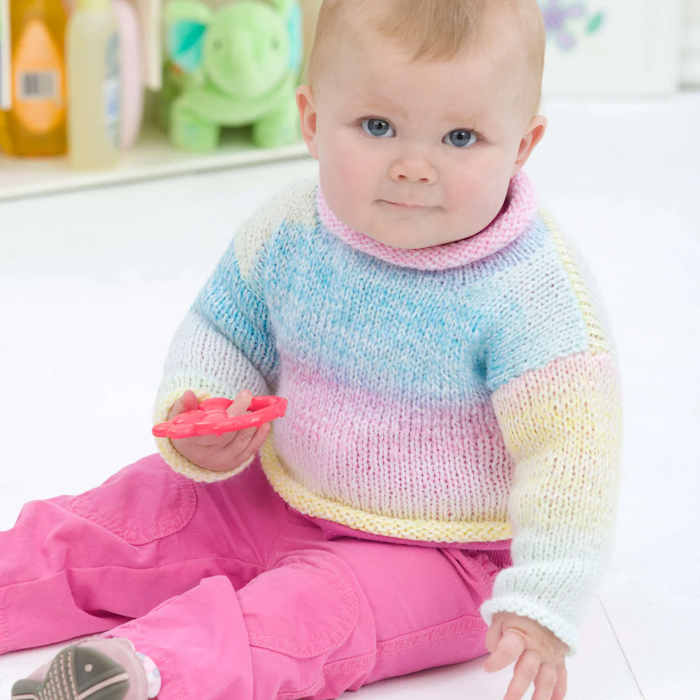
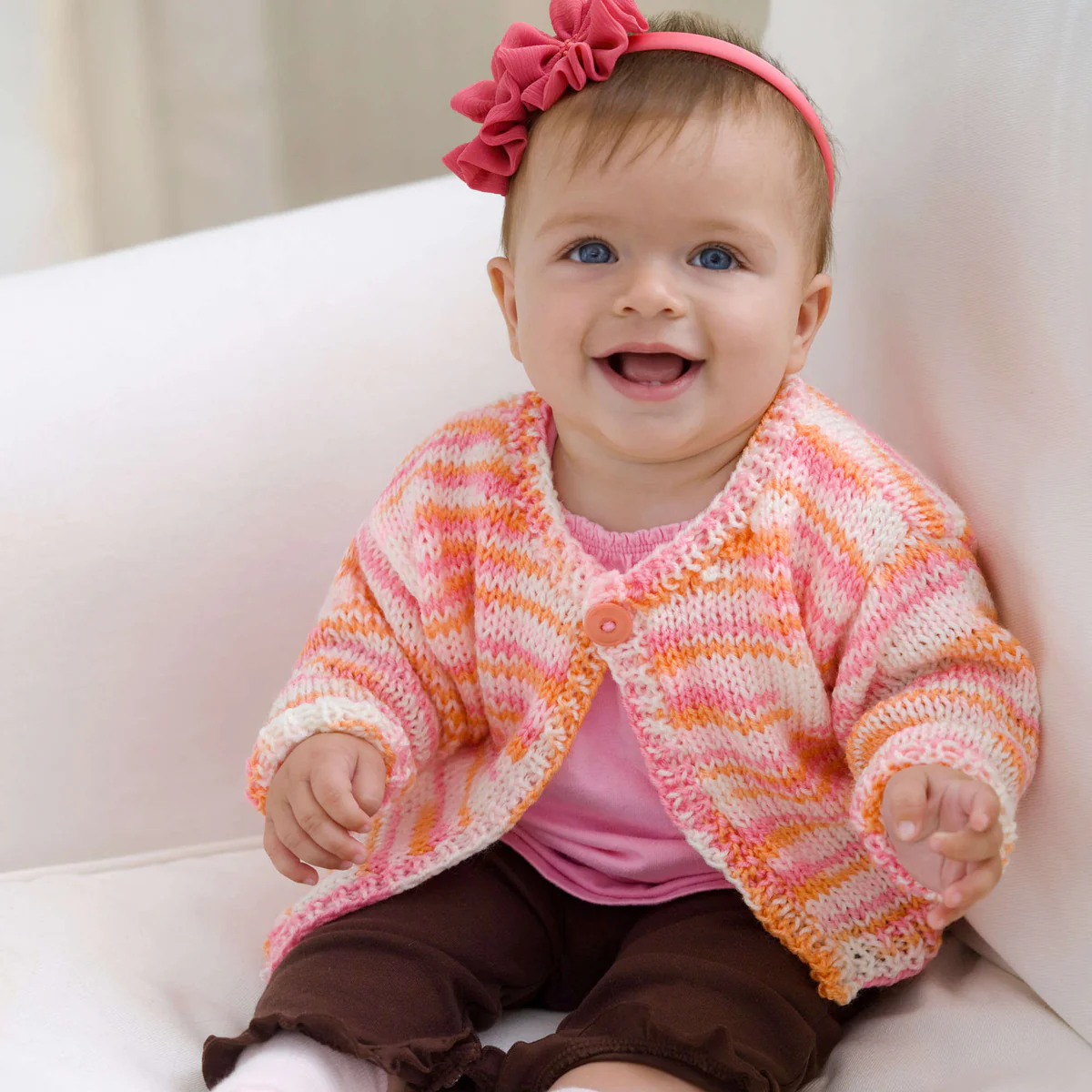
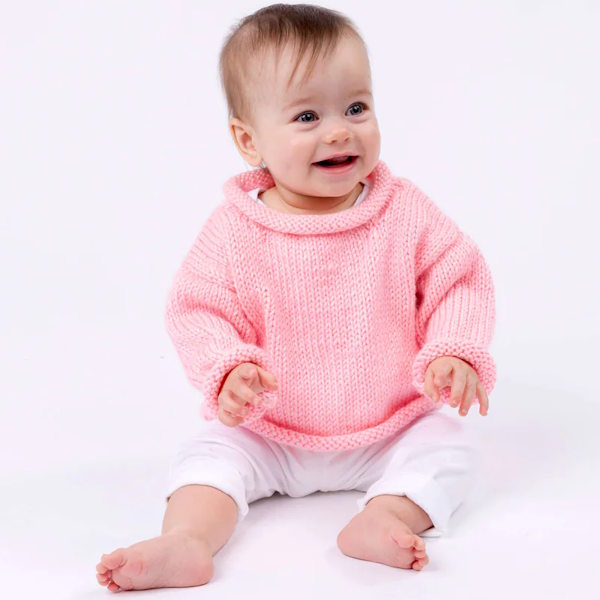
Knit or Crochet Baby Sweaters: Which Is Right for You?
One of the first decisions you’ll make when planning a baby sweater is whether to knit or crochet it. Both methods work beautifully for baby garments, and neither is “better” in every situation. The right choice depends on the fabric you want, your comfort level, and how you plan to use the sweater.
Knitted Baby Sweaters
Knitted fabric tends to be softer, stretchier, and lighter, which is why many people instinctively think of knitting when they picture a classic baby sweater. Knitting creates a smooth, flexible fabric that moves easily with a baby and layers well over clothing.
Knitted baby sweaters are a good choice if you:
- Want a traditional sweater look
- Prefer a fabric with natural stretch
- Plan to use lightweight yarns
- Are comfortable with knit and purl stitches
- Prefer knitting to crochet
Because knitted fabric stretches easily, sizing can be more forgiving, especially for fast-growing babies.
Learn more about Knitting a Baby Sweater
Crocheted Baby Sweaters
Crocheted fabric is generally more structured and durable, which can be a benefit for certain styles or climates. Crochet stitches create a thicker fabric, making crochet baby sweaters warm and sturdy, especially when worked with simple stitches such as single crochet or half double crochet and soft yarn.
Crochet baby sweaters are a good choice if you:
- Crochet more confidently than you knit
- Want a slightly firmer fabric
- Prefer faster, larger stitches
- Like decorative texture
- Prefer a project that may require less time to complete
With crochet, choosing the right yarn and stitch pattern is especially important to keep the fabric comfortable against sensitive skin.
You Don’t Have to Choose Forever
Many makers try both methods at different times. A knitted baby sweater might be perfect for everyday wear, while a crocheted sweater can work well as a warmer layer or special-occasion piece.
Throughout this guide, you’ll see notes and links for both knitting and crochet, so you can follow the path that best suits you.
Next, let’s look at one of the most confusing and most important parts of making a baby sweater: sizing.
Baby Sweater Sizing: What Actually Matters
Sizing is where many baby sweater projects go wrong, not because the knitter or crocheter made a mistake, but because baby sizing is inherently unreliable. Babies grow quickly, grow differently, and rarely match the exact measurements listed on a pattern. They also don't fall exactly into the current sizing parameters.
That’s why understanding how baby sweater sizing works is more important than memorizing any single size label.
Why Age-Based Sizes Can Be Misleading
Sizes like newborn, 3–6 months, or 12 months are only rough estimates. Two babies of the same age can differ significantly in:
- chest circumference
- arm length
- torso length
A sweater labeled “6 months” may fit one baby perfectly and be far too small for another. Just because the baby is 6 months old doesn't mean that they will fit into the 6-month size.
This is why many experienced makers think in measurements first, size labels second.
The Key Measurements for a Baby Sweater
At its core, a baby sweater is shaped around a few simple measurements. You don’t need to measure everything, just the areas that affect comfort and movement.
The most important measurements are:
- Chest (or bust) circumference
- Body length (shoulder to hem)
- Sleeve length
- Neck opening
Once these are understood, the sweater’s shape becomes much easier to plan, whether you’re following a pattern or adapting one.
Understanding Ease (Comfort Room)
Ease is the extra space built into a garment, so it isn’t skin-tight. For baby sweaters, ease is essential.
Most baby sweaters include:
- a little extra width for layering
- room for diapers and movement
- flexibility for short growth spurts
A sweater that fits “perfectly” on the day it’s finished may only fit for a week or two. Slightly relaxed sizing usually leads to a sweater that gets more wear.
Learn more about Measurements and Sizing Baby Sweaters
Patterns vs. Planning
Some patterns handle sizing beautifully. Others assume average measurements that may not match the baby you’re knitting or crocheting for.
Understanding basic sizing principles allows you to:
- choose the best size within a pattern
- adjust length or width if needed
- avoid sweaters that are too tight at the neck or arms
Later in this guide, you’ll see how measurements can be used either with a pattern or as part of a simple planning sketch, depending on how much structure you want.
Making a Baby Sweater as a Gift: How to Handle Sizing
Making a baby sweater as a gift is incredibly thoughtful — and also one of the most stressful situations when it comes to sizing. In most cases, you won’t have access to the baby’s exact measurements, and even if you did, the baby may have grown by the time the sweater is worn.
The good news is that gift sweaters don’t have to be a guessing game. With a few smart choices, you can greatly increase the chances that your sweater fits well and gets used.
Size Up, Not Down
When in doubt, always choose a slightly larger size. Babies grow fast, and a sweater that’s a little roomy can still be worn comfortably — often for much longer than one that fits perfectly for a single week.
For gift sweaters:
- Avoid newborn sizing unless the baby is already born
- Sizes like 3–6 months or 6–12 months are often safer
- A slightly oversized sweater is usually welcomed, not criticized
Parents can layer a larger sweater, but they can’t do much with one that’s too small.
Understanding Baby Sweater Patterns and Schematics
Baby sweater patterns often look more complicated than they actually are. Once you understand how patterns communicate shape and size, the instructions become much easier to follow and far less intimidating.
Patterns use words, numbers, and sometimes drawings to describe the same basic information: how a flat piece of fabric becomes a wearable sweater.
What a Pattern Is (and What It Isn’t)
A pattern is a set of instructions, not a guarantee of fit. It assumes:
- a specific yarn weight
- a specific gauge
- a specific sizing model
When those assumptions match your project, patterns work beautifully. When they don’t, confusion can creep in, especially with baby garments.
Understanding the structure behind the pattern helps you make better choices and small adjustments when needed.
How Schematics Help
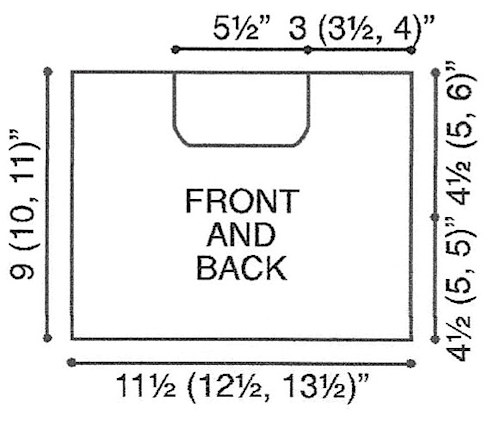
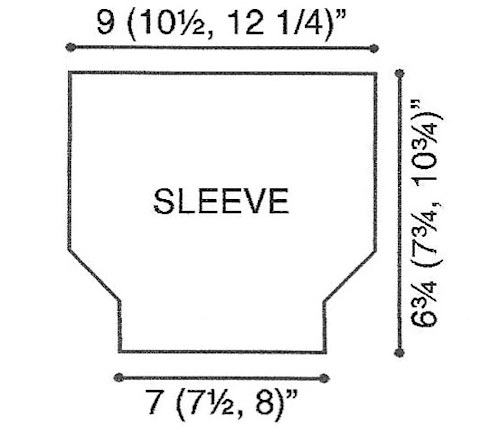
A schematic is a simple drawing of the sweater’s shape, labeled with measurements. It doesn’t show stitches or rows; it shows dimensions.
Schematics are especially helpful for baby sweaters because they:
- make sizing easier to visualize
- clarify sleeve length and body width
- show how pieces fit together
Even if you never draw your own schematic, learning to read one makes patterns far more approachable.
Reading Measurements Instead of Size Labels
Many patterns list sizes by age, but the schematic usually shows actual measurements. When choosing a size, these measurements are often more reliable than the size name itself.
For baby sweaters, looking at chest width and body length can prevent most fit problems before you begin.
When Patterns Feel Overwhelming
If a pattern seems confusing at first glance, that doesn’t mean it’s too advanced — it often means the information hasn’t been filtered yet.
Breaking the pattern down into:
- body
- sleeves
- neckline
- finishing
can make the instructions much easier to digest.
You Don’t Have to Design to Understand
You don’t need to draft your own patterns or do garment math to benefit from understanding schematics. Even a basic awareness helps you:
- Choose the right size
- Recognize how a sweater is constructed
- Follow instructions with more confidence
Baby Sweater Safety: What to Consider Before and After You Finish
Safety Disclaimer
This guide is provided for educational and informational purposes only. While care has been taken to address common safety considerations for baby sweaters, every baby is different, and individual needs, sensitivities, and circumstances vary.
Always use your own judgment — and follow caregiver, pediatric, and manufacturer recommendations — when selecting yarns, closures, and garment features for babies. Inspect handmade garments regularly for wear, loose attachments, or changes in fit, and discontinue use if any safety concerns arise.
Parents and caregivers are ultimately responsible for determining whether a garment is appropriate and safe for a specific baby.
When making baby clothing, comfort and fit matter — but safety always comes first. A beautifully made sweater should also be safe to wear, easy for parents to manage, and free of features that could cause discomfort or pose a risk.
Most safety issues are easy to avoid once you know what to look for.
Avoid Choking and Snagging Hazards
Small decorative elements may look charming, but they aren’t always appropriate for baby garments.
When making a baby sweater:
- Avoid buttons that are loosely attached
- Skip beads, tassels, or dangling decorations
- Secure any fasteners firmly
If you choose to add buttons, sew them on very securely and consider larger buttons that are harder for small hands to pull or for small mouths to pull off.
Choose Closures Carefully
Neck openings should be easy to put on and remove without forcing. Sweaters that are difficult to pull over a baby’s head can cause stress for both baby and caregiver.
Safer options include:
- cardigans or front-opening designs
- flexible necklines
- simple button bands with secure stitching
Comfortable access matters just as much as appearance.
Check for Scratchy or Irritating Areas
Even soft yarn can feel uncomfortable if finishing is rushed.
Before considering a sweater finished:
- Run your fingers along the inside seams
- Check under the arms and around the neck
- Make sure no stiff ends or knots are exposed
Anything that feels rough to your hands is likely to bother sensitive skin.
Consider Temperature and Layering
Babies can overheat more easily than adults, especially indoors.
Safety-conscious choices include:
- breathable yarns
- lighter-weight sweaters for everyday wear
- designs that allow easy layering rather than heavy bulk
A baby sweater should provide warmth without trapping too much heat.
Wash and Wear Safety
A sweater that can’t be washed easily may be worn less often — or not at all. More importantly, parents need to be able to clean baby clothing quickly and safely.
Before gifting or using a baby sweater:
- Confirm the yarn’s care instructions
- Wash the sweater at least once
- Make sure it holds its shape and softness
Pre-washing also helps identify any issues before the sweater reaches the baby.
Trust Simplicity
In baby garments, simpler designs are often safer designs. Clean construction, soft materials, and thoughtful finishing usually outperform elaborate details in terms of comfort and usability.
A safe baby sweater is one that:
- feels good against the skin
- allows easy movement
- doesn’t require special handling
- can be worn without worry
By keeping safety in mind throughout the process, you ensure that your handmade sweater is not only beautiful but genuinely appropriate for a baby.
Choose Flexible Designs
Some sweater styles are more forgiving than others. When making a gift, look for designs that naturally accommodate growth and variation.
Good options include:
- Raglan or yoke constructions (roomy shoulders and arms)
- Open-front cardigans
- Simple neck openings that aren’t tight
- Patterns with relaxed ease
Avoid very fitted designs or narrow necklines unless sizing is certain.
Let the Fabric Do Some of the Work
- Fabric choice plays a big role in how forgiving a sweater feels.
- Knitted fabric stretches more than crochet
- Simple stitches are usually more flexible than dense textures
- Soft, elastic yarns help accommodate movement and growth
- A sweater with natural stretch is more likely to fit across a wider range of sizes.
- Think in “Wear Window,” Not Exact Fit
Instead of aiming for a sweater that fits on a specific day, think about when the baby might realistically wear it.
For example:
- A lightweight sweater made in a larger size can be worn across multiple seasons
- A warm sweater sized up may become perfect in cooler weather
- Cardigans allow more flexibility than pullovers
This mindset removes pressure and leads to more successful gift projects.
When You Truly Can’t Guess
If sizing feels too uncertain, there are still safe alternatives:
- Choose a pattern with an adjustable length
- Make the sweater longer rather than wider
- Focus on garments meant to be layered
Many experienced knitters and crocheters will tell you the same thing: a well-made sweater that fits eventually is far better than one that never fits at all.
Choosing the Best Yarn for a Baby Sweater
Yarn choice matters more for baby sweaters than almost any other project. Babies have sensitive skin, parents have practical needs, and a sweater that looks beautiful but feels uncomfortable or is hard to care for may never be worn.
The goal isn’t just softness, it’s comfort, safety, and practicality combined.
What Makes a Yarn Baby-Friendly?
A good baby sweater yarn should be:
- Soft against sensitive skin
- Comfortable when worn over light clothing
- Easy to wash and dry
- Durable enough to handle frequent use
Babies spit up, drool, crawl, and get messy. A yarn that requires delicate handling may sound luxurious, but it’s often unrealistic for everyday baby wear.
Natural Fibers vs. Synthetic Fibers
Both natural and synthetic fibers can work well for baby sweaters when chosen carefully.
Natural fibers such as cotton or wool blends are breathable and comfortable, but they vary widely in softness and care requirements. Some wool is wonderfully soft; other types can feel scratchy or cause irritation.
Synthetic fibers, especially modern acrylics and blends, are often machine-washable and have a consistent texture. While not all synthetics are ideal, many are designed specifically for baby garments and perform very well in real life.
Blended yarns often offer the best balance — combining softness, durability, and ease of care.
Washability Is Not Optional
Before choosing a yarn, always consider how it will be cleaned. Most parents prefer items that can be:
- machine washed
- laid flat or tumble dried
- cleaned without special treatment
A sweater that must be hand-washed may be saved “for special occasions” — or not worn at all.
Avoiding Common Yarn Mistakes
When selecting yarn for a baby sweater, it’s usually best to avoid:
- very fuzzy or hairy yarns
- stiff or overly textured stitches
- yarns that shed or pill excessively
- fibers known to irritate sensitive skin
Simple stitches paired with a smooth, soft yarn are often the most comfortable option.
Yarn Weight and Drape
Lighter yarns typically create softer, more flexible baby sweaters, while heavier yarns produce warmer, sturdier garments. Neither is wrong; the key is matching the yarn weight to the sweater’s purpose.
Later in this guide, you’ll find links to detailed yarn recommendations, including washable options and fiber comparisons, to help you choose with confidence.
Next, let’s look at how baby sweaters are actually constructed — and why understanding construction makes patterns easier to follow and customize.
Learn more about Baby Yarn
How Baby Sweaters Are Constructed
Once you understand sizing and yarn, the remaining mystery around baby sweaters is usually construction: how all the pieces come together to form a wearable garment. The good news is that most baby sweaters are made using a few straightforward methods.
You don’t need to master all of them. You just need to recognize what you’re looking at when you choose a pattern.
Seamless vs. Seamed Baby Sweaters
Some baby sweaters are made in one continuous piece, while others are constructed from separate sections that are sewn together. Circular needles are used and worked in the round. Crocheted sweaters are worked in a tube.
Seamless sweaters are popular because:
- there’s little or no finishing
- the inside feels smooth
- they’re easy to adjust as you go
Seamed sweaters are made by knitting or crocheting pieces separately and joining them later. While they require more finishing, seams can add structure and durability.
Seamed sweaters are worked on straight needles. Crochet sweaters are worked in rows and then seamed. Both approaches are valid, and many classic baby sweaters are seamed. You may not be able to tell whether they are seamless or seamed just by looking at a picture. The pattern, however, will give you this information.
Top-Down vs. Bottom-Up Construction
Construction direction affects how the sweater is shaped and adjusted.
Top-down sweaters are worked from the neckline downward. This method allows you to:
- try the sweater on as you go
- adjust length easily
- avoid running out of yarn unexpectedly
Bottom-up sweaters start at the hem or cuffs and are worked upward. This method is common in traditional patterns and works well when measurements are known in advance.
Neither method is better; they simply suit different preferences and planning styles. Again, simply looking at a photo will not provide this information unless the pattern's name is explicitly stated. Information will be spelled out in the pattern.
Common Sweater Shapes
Most baby sweaters fall into a few familiar shapes:
- Raglan: diagonal lines from underarm to neckline; roomy and flexible
- Yoke: shaping radiates from the neckline; smooth and balanced
- Set-in sleeve: classic garment construction; more fitted
- Drop-shoulder: the body is typically made as simple rectangles, with sleeves attached lower on the body rather than shaped at the shoulder. This creates a relaxed fit that works especially well for babies.
Understanding these terms helps you visualize how a sweater will fit before you begin.
Why Construction Knowledge Helps
You don’t need to design your own sweater to benefit from understanding construction. Even basic awareness makes it easier to:
- Choose the right pattern
- anticipate shaping
- make small adjustments confidently
Once construction makes sense, patterns feel less like instructions to memorize and more like guides you can follow with intention.
Common Baby Sweater Mistakes (and How to Avoid Them)
Most baby sweater “mistakes” have nothing to do with skill level. They happen because baby garments have unique needs that aren’t always obvious at first. Knowing what to watch for ahead of time can save you time, yarn, and frustration — and lead to a sweater that actually gets worn.
Choosing Yarn That Feels Soft in the Skein but Not on the Baby
A yarn can feel lovely in your hands and still be uncomfortable against a baby’s skin. Some fibers soften only after washing, while others remain stiff or irritating.
How to avoid it:
Choose yarns specifically recommended for baby garments, and favor smooth, washable fibers. When in doubt, simpler and softer is usually better.
Making the Sweater Too Small
This is one of the most common issues, especially when following age-based sizing or making a gift. A perfectly fitted sweater today may be unwearable in a matter of weeks.
How to avoid it:
Size up when unsure, allow for ease, and prioritize comfort over precision. A slightly roomy sweater almost always gets more use.
Tight Neck Openings
A sweater that won’t comfortably fit over a baby’s head, or that parents struggle to put on, may never be worn, no matter how well it fits elsewhere.
How to avoid it:
Choose patterns with flexible necklines, buttoned fronts, or generous openings. Stretchy bind-offs and simple finishes make a big difference.
Overcomplicating the First Sweater
It’s tempting to combine new stitches, advanced shaping, and unfamiliar construction techniques in one project. For baby sweaters, this often leads to unnecessary frustration.
How to avoid it:
Start with simple stitches and straightforward construction. A clean, well-fitted sweater in basic stitches is far more useful than an elaborate design that’s uncomfortable or hard to wear.
Seaming Order for Baby Sweaters: What’s Easiest and Why
When a baby sweater is worked in separate pieces, the order in which you seam those pieces together can make the process either smooth and logical or frustrating and awkward. There isn’t one universal rule, but there is an order that most makers find easiest, especially for their first few sweaters.
The Most Beginner-Friendly Seaming Order
For most seamed baby sweaters, the easiest and least stressful order is:
- Seam the shoulders first
- Attach the sleeves
- Seam the side and sleeve seams together
This sequence helps the sweater take shape gradually and makes it easier to line everything up correctly.
Why Seaming the Shoulders First Helps
Seaming the shoulders first:
- establishes the sweater’s overall width
- creates a stable base for sleeve placement
- makes it easier to see the neckline shape
Once the shoulders are joined, the front and back pieces behave as a single unit rather than loose panels.
Attaching Sleeves Before Side Seams
Attaching the sleeves while the body pieces are still flat is usually much easier than inserting them into a fully closed tube.
Benefits of this approach:
- better visibility of stitch alignment
- less fabric to manage at once
- easier adjustment if something is slightly off
This is especially helpful for baby sweaters, where small differences in length can matter more than expected.
Finishing with Side and Sleeve Seams
Once the sleeves are attached, the final step is usually:
- seaming down the sides of the body
- continuing down the length of the sleeves
Doing this last allows you to:
- ensure everything lines up cleanly
- distribute any minor differences evenly
- maintain smooth underarm areas
This final step pulls the entire sweater together in a clean, controlled way.
When a Different Order Might Make Sense
Some patterns may suggest a different seaming order, especially for:
- very simple drop-shoulder designs
- sweaters with minimal shaping
- crochet garments with heavier fabric
In those cases, following the pattern’s guidance is usually fine. Still, many makers prefer the shoulder-first approach because it provides structure early in the process.
The Most Important Rule: Stay Flexible
No matter the order, the most important thing is to:
- avoid seaming too tightly
- check alignment as you go
- pause and adjust when needed
Baby sweaters are small, which makes them forgiving — one of the best reasons they’re such great learning projects.
A thoughtful seaming order doesn’t just make finishing easier; it helps ensure the sweater is comfortable, wearable, and enjoyable to give or use.
Ignoring Ease and Movement
Babies move constantly. Sweaters that are too fitted at the arms, shoulders, or torso can restrict movement and feel uncomfortable.
How to avoid it:
Allow room for layering, stretching, and growth. Designs with relaxed shaping, such as raglan or drop-shoulder styles, are especially forgiving.
Forgetting About Care Requirements
A sweater that requires delicate washing or special care may be saved for “later” or avoided altogether.
How to avoid it:
Think realistically about how the sweater will be used. Machine-washable yarns and simple care instructions increase the chances that the sweater becomes a favorite. Don't forget to include care instructions with the new mother if your baby sweater is a gift.
Most of these issues are easy to prevent once you know what to look for. Baby sweaters reward thoughtful planning more than technical complexity.
Next, we’ll pull everything together and help you decide where to go next, whether you’re ready to start knitting or crocheting — or still exploring your options.
Where to Go Next: Start Your Baby Sweater with Confidence
By now, you’ve seen that making a baby sweater isn’t about memorizing instructions; it’s about understanding a few key decisions before you begin. Once those pieces fall into place, the actual knitting or crocheting becomes far more enjoyable.
This guide is meant to give you that foundation. What you do next depends on where you are in your journey.
If You’re Ready to Start Knitting
If knitting feels like the right path for you, the next step is to follow a clear, beginner-friendly baby sweater tutorial that puts everything you’ve learned into practice.
👉 Knit a Baby Sweater: Step-by-Step Beginner Guide
This will walk you through construction, stitches, and finishing in a practical, hands-on way.
If You Prefer Crochet
If crochet is your comfort zone, you can apply the same sizing, yarn, and planning principles using crochet-specific techniques.
👉 Crochet a Baby Sweater: Beginner-Friendly Tutorial
Other Baby Projects on Smart-Knit-Crocheting
Last Words
A baby sweater doesn’t have to be perfect to be meaningful. Simple construction, thoughtful choices, and comfortable finishing often result in garments that are worn, loved, and remembered.
Wherever you choose to begin — knitting, crochet, or careful planning — you now have the tools to move forward with confidence.
Disclosure:
This post contains affiliate links. If you buy through them, I may earn a small commission at no extra cost to you.

Janice Jones is a Certified Knitting and Crochet Instructor who creates beginner-friendly patterns and tutorials, backed by a 389-page library of practical knitting and crochet content.
Most Popular Pages
All Types of Crochet Stitches
36 Reversible Knit Stitch Glossary
How to Crochet the Second Row
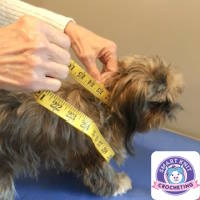
Dog Sweater Patterns
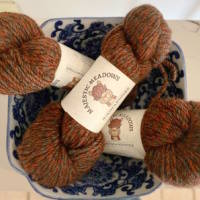
Working with Alpaca Yarn
Free eBooks, Just for You
Get my beginner eBook guides to Knitting and Crocheting, just for signing up for my monthly newsletter.
Choose one or both when you sign up.
About the Author: Please allow me to Introduce myself
Janice Jones is a Certified Knitting Instructor and Certified Crochet Instructor through the Craft Yarn Council who focuses on beginner-friendly patterns, stitch guides, and technique tutorials. She has built a library of 389 pages on her website, sharing practical instructions and patterns, and has completed projects ranging from crochet blankets to knit sweaters. You can explore her work on her website. She makes items for Warm Up America and often knits and crochets sweaters for her small dogs.
Thank you for visiting Smart-Knit-Crocheting. I hope this and all of my tutorials will give you the inspiration to continue your knit or crochet journey. For a complete list of all the pages on my site, please visit my table of contents.
I participant in the Amazon Services LLC Associates Program, an affiliate advertising program designed to provide a means for sites to earn advertising fees by advertising and linking to Amazon.com. “As an Amazon Associate I earn from qualifying purchases.” These earnings go towards supporting my website.
Home | Contact | About | Privacy Policy | Disclaimer
I DO NOT SELL ANY PERSONAL INFORMATION FROM THIS WEBSITE. PLEASE SEE MY PRIVACY POLICY FOR MORE DETAILS.
Copyright © 2006-2026 Smart Knit Crocheting. All Rights Reserved
Please Share
Remember, Sharing is Caring