- Home
- Types of Crochet Stitches
Types of Crochet Stitches: A Beginner-Friendly Guide
Types of Crochet Stitches by Janice Jones Last Updated August 14, 2026
There are hundreds of crochet stitches, but nearly all of them begin with a small group of basic stitches. Once you can chain, slip stitch, single crochet, half double crochet, double crochet, and treble crochet, you can combine or modify them to create an amazing variety of textures and patterns.
This guide organizes crochet stitches into beginner-friendly categories, including basic, textured, combination, lace, Tunisian, and colorwork stitches. You can use it to compare different types, decide which stitch will work best for your project, or find a new stitch to practice.
Each stitch linked below leads to one of my free tutorials. Many include step-by-step photographs, troubleshooting help, and a simple pattern that lets you practice the stitch while making something useful.
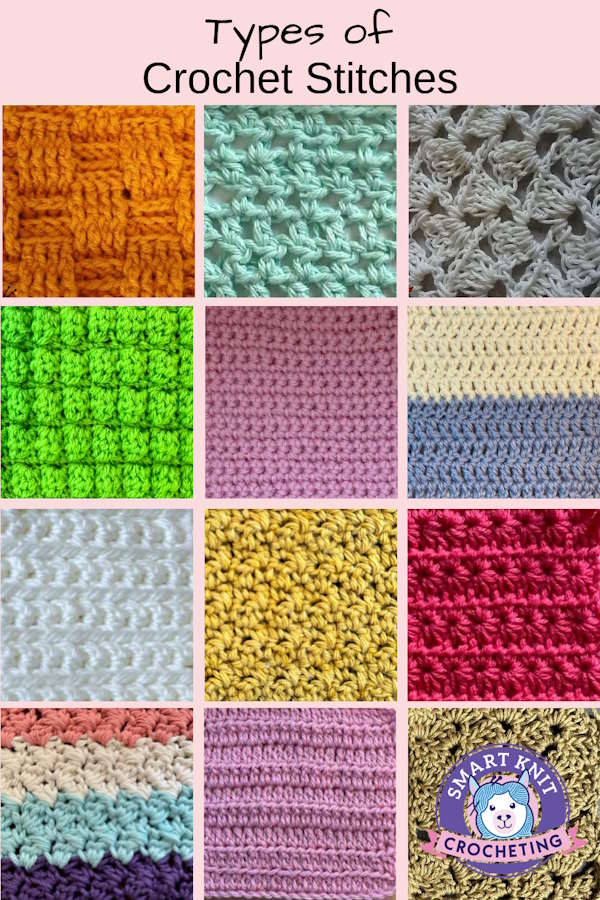
There is no single standardized system for categorizing every crochet stitch, so these are the practical groupings I use throughout this website. Some stitches could fit into more than one category—for example, a shell stitch can be both textured and lacy.
If you are completely new to crochet, begin with the six basic stitches. If you already know those, use the comparison table below to find the type of fabric or project you would like to make next. I continue to add new stitch tutorials, so you can return to this guide whenever you are ready to try something different.
| If You Want... | Try This Type | Good Stitches to Explore | Good Project Choices | Typical Skill Level |
|---|---|---|---|---|
| A simple stitch to learn first | Basic stitches | Single crochet, half double crochet, or double crochet | Dishcloths, scarves, bookmarks, and simple blankets | Basic |
| A dense, sturdy fabric | Short or tightly worked stitches | Single crochet, moss stitch, or grit stitch | Bags, baskets, dishcloths, and warm accessories | Basic to easy |
| A soft fabric with more drape | Taller or linked stitches | Double crochet, treble crochet, or linked half double crochet | Shawls, garments, scarves, and blankets | Basic to easy |
| Raised texture | Textured stitches | Bobble, popcorn, puff, cluster, or waffle stitch | Blankets, pillows, hats, and decorative panels | Easy to intermediate |
| An open, airy fabric | Mesh or lace stitches | Double crochet mesh, V-stitch, shell stitch, or filet crochet | Shawls, market bags, summer tops, and decorative items | Easy to intermediate |
| A fabric that resembles knitting or weaving | Tunisian crochet | Tunisian simple, knit, or full stitch | Scarves, blankets, cushion covers, and bags | Easy to intermediate |
| Pictures, motifs, or multicolored designs | Colorwork techniques | Tapestry, intarsia, mosaic, or overlay crochet | Bags, blankets, wall hangings, and decorative panels | Intermediate |
Types of Crochet Stitches
1. Basic Stitches
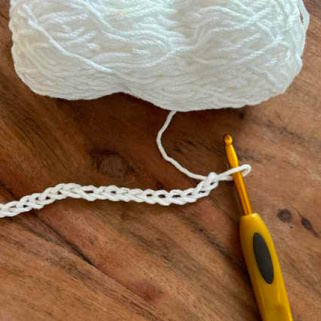
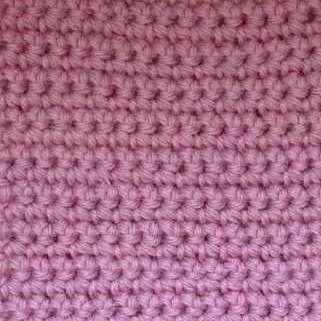
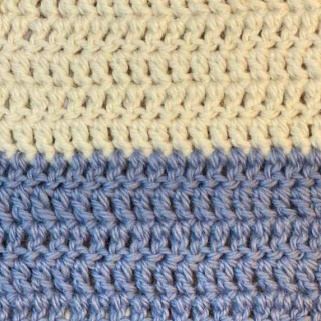
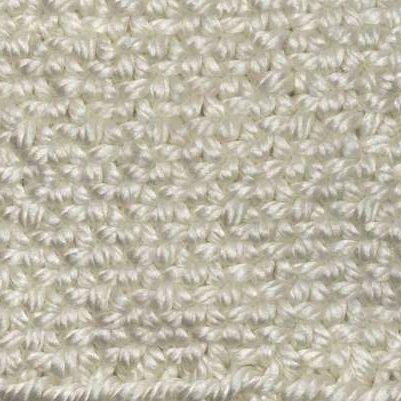
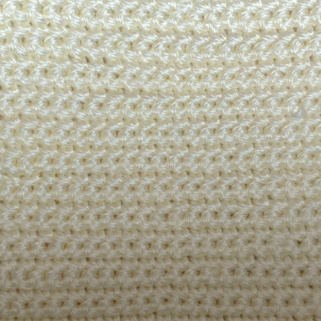
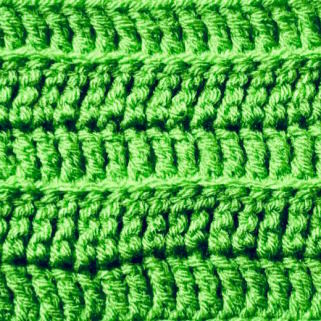
Basic crochet stitches form the foundation of every crocheter's skill set and are essential for creating a wide range of projects, from simple scarves to intricate blankets.
The slip stitch is often forgotten as a separate stitch but is essential for connecting other stitches. Mastering these basic stitches is crucial for any crocheter, as they are the building blocks for more advanced techniques and patterns.
2. Textured Stitches
Textured crochet stitches are a fun and creative way to add visual interest and dimension to your projects.
These stitches transcend the introductory single, double, and treble crochets, incorporating techniques that create raised, bumpy, or three-dimensional effects.
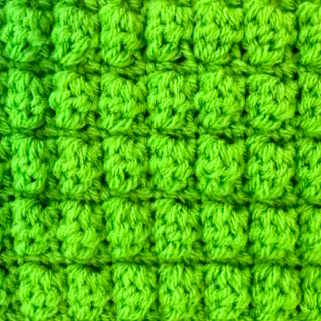
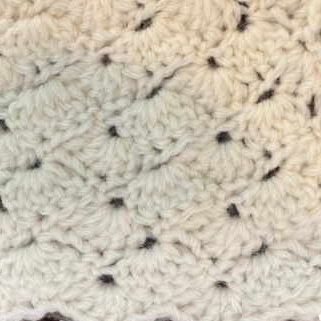
You may argue that all crochet stitches are textured, and you would be right.
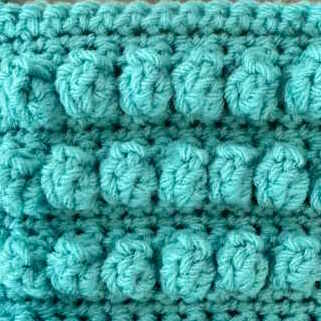
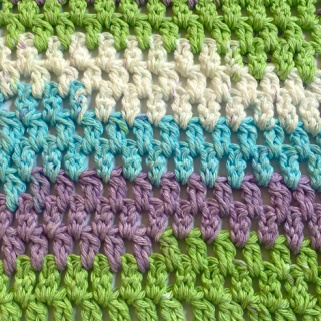
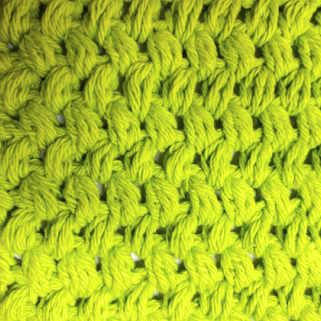
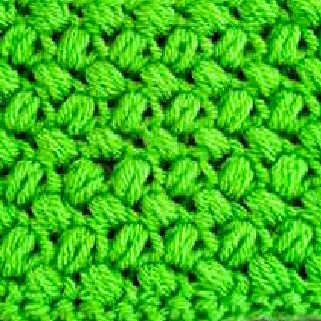
The stitches I’ve included in this collection include the bobble stitch, which creates small, ball-like protrusions; the popcorn stitch, which forms a puffy, raised texture; and the cluster stitch, which groups multiple stitches to create a dense, textured appearance.
3. Combination Stitches
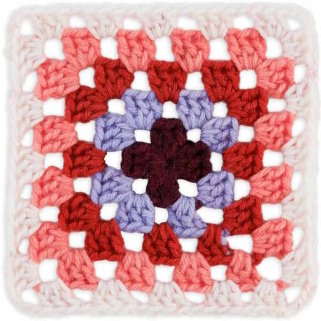
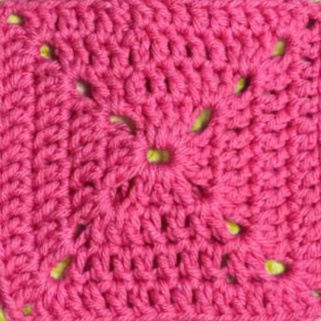
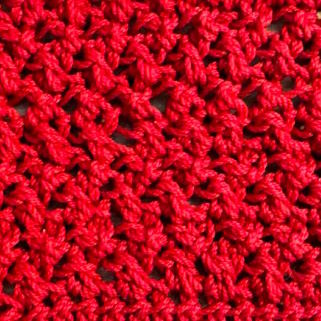
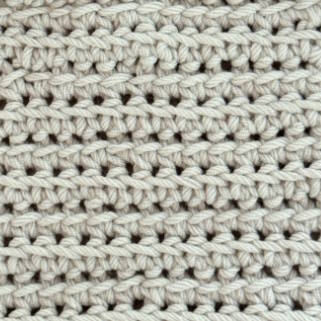
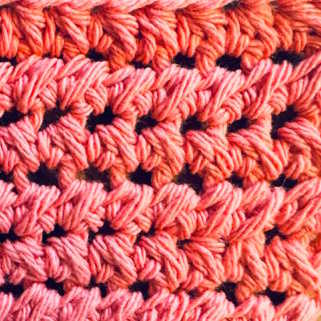
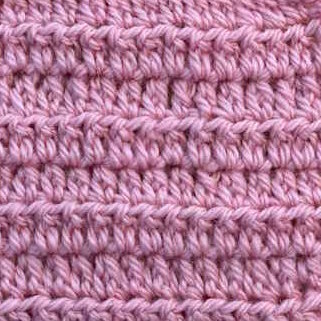
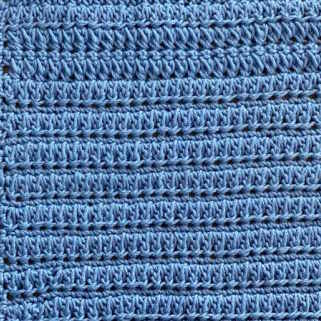
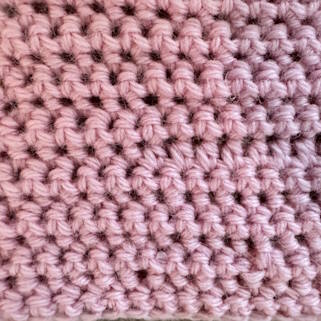
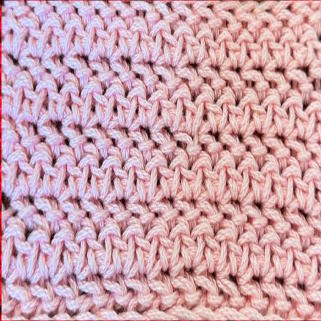
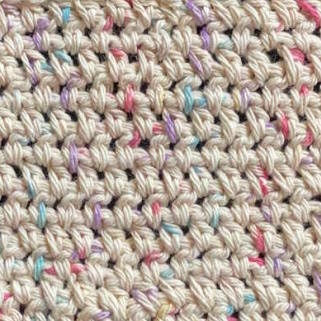
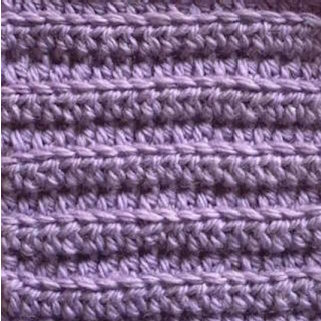
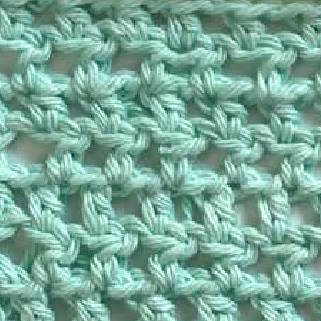
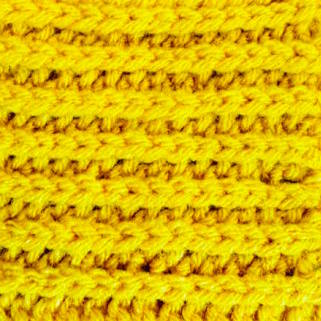
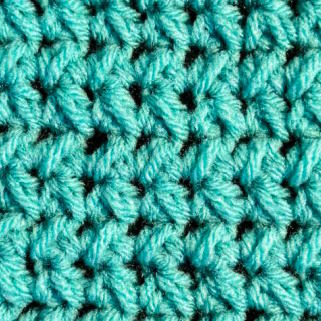
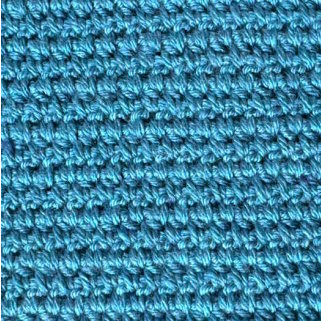
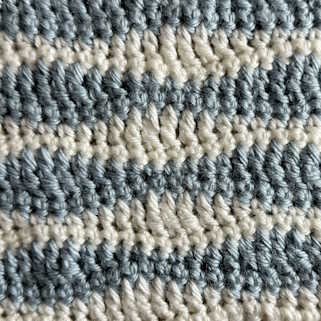
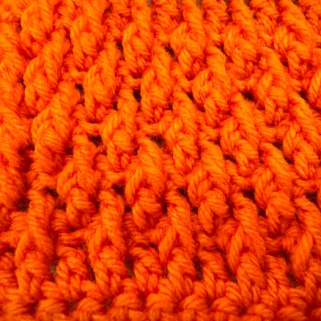
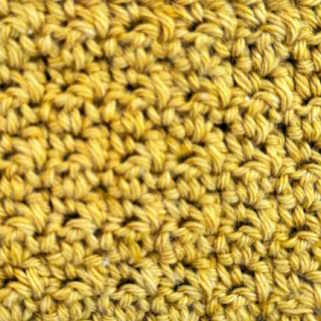
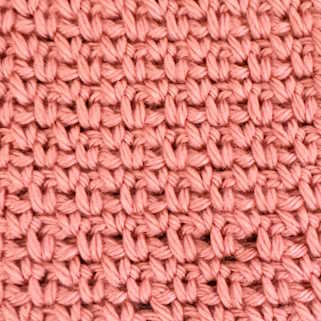
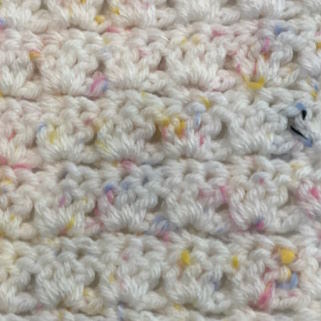
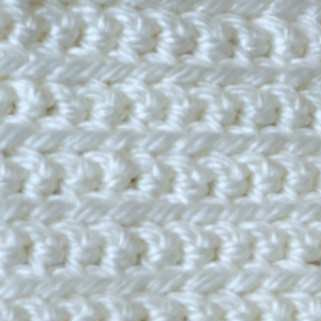
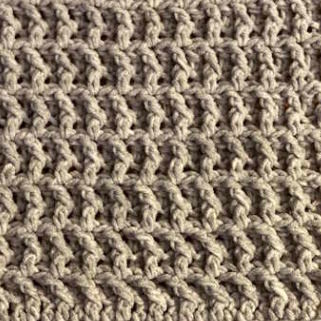
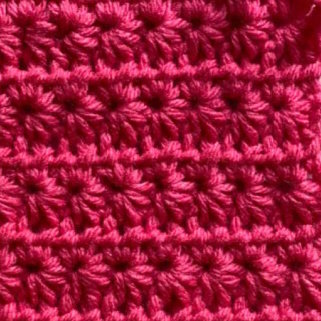
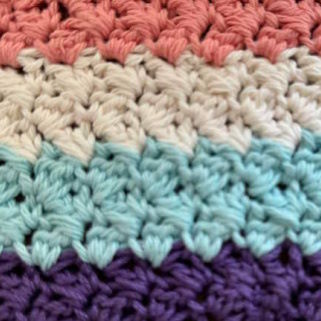
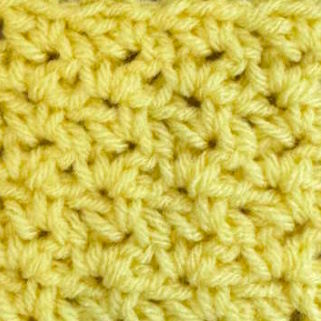
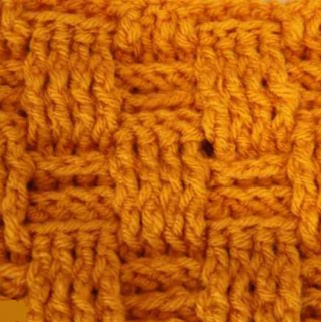
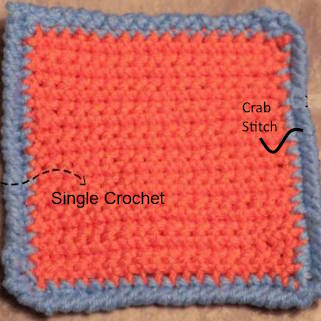
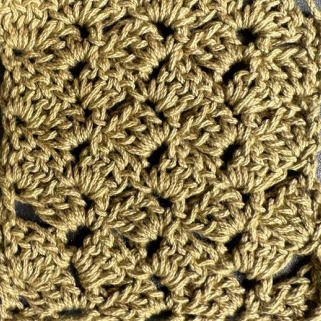
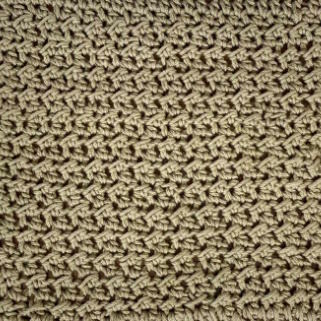
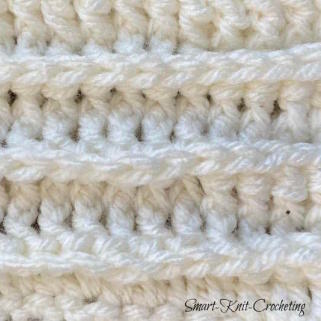
Combination stitches are a category of crochet stitches that involve alternating between different types of stitches, such as single crochet and double crochet, to create unique textures and patterns.
Granny Stitches
Half Double Crochet Variations
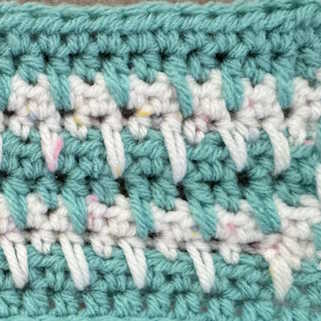
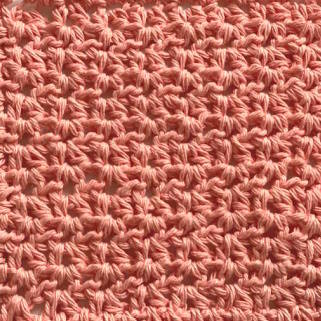
Double Crochet & Other Combo Stitches
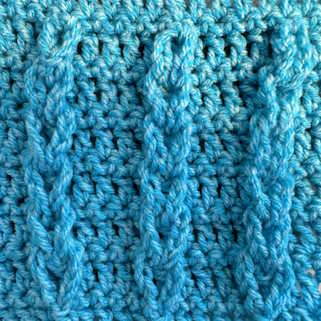
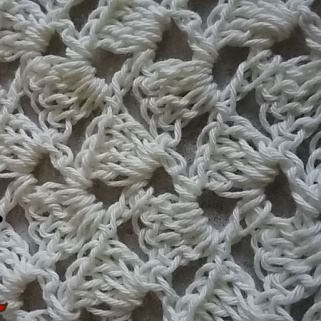
Mesh and Openwork Stitch Patterns
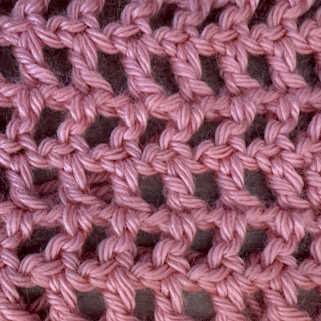
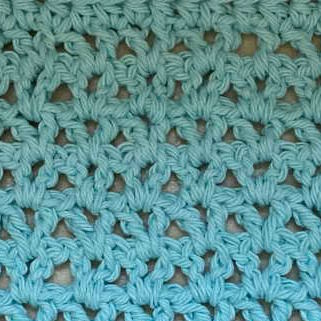
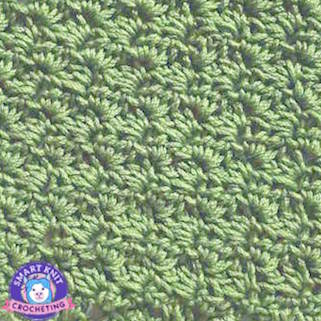
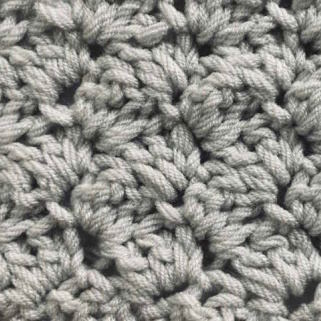
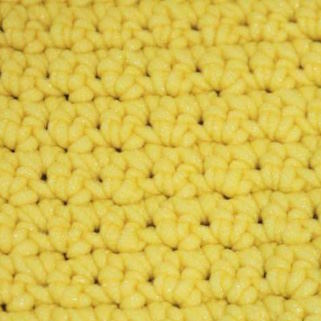
These stitches add visual interest to projects and can create various effects, from simple, repeating patterns to more complex, textured designs.
There are virtually infinite possibilities, but here are a few available on this website.
4. Lace Stitches
Crochet lace stitches are a beautiful and intricate category of stitches that create delicate, open-work designs reminiscent of traditional lace.
These stitches often involve working with fine threads or lightweight yarns and require more attention to detail and precision than basic crochet stitches. Most lace stitches are not considered beginner-friendly, but once you master the basic stitches, crochet lace is a definite possibility.
Lace stitches are created by combining techniques like chaining, skipping, and working stitches to form intricate patterns and motifs.
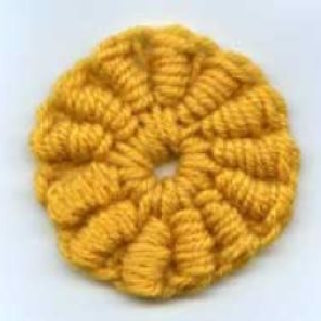
Popular crochet lace techniques include hairpin lace, which creates an open, airy fabric; filet crochet, which uses a grid of open and filled spaces; broomstick lace, which forms elongated loops; and Irish crochet, which is known for its separately made motifs.
Crochet lace can range from simple mesh patterns suitable for confident beginners to intricate techniques that require greater concentration. Most lace patterns use combinations of chains, skipped stitches, basic stitches and carefully placed groups of stitches.
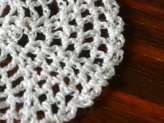 Picot Stitch
5. Tunisian Crochet Stitches
Tunisian crochet is a distinct crochet technique worked with an elongated hook. Multiple loops are collected on the hook during a forward pass and worked off during a return pass.
Many Tunisian stitches create a substantial, woven-looking fabric, although the density and drape depend on the stitch, yarn and hook size.
Some popular Tunisian crochet stitches include the Tunisian simple stitch, Tunisian knit stitch, Tunisian purl stitch, Tunisian full stitch, and Tunisian reverse stitch.
While Tunisian crochet may seem more challenging at first, it offers a wide range of possibilities for creating beautiful, unique projects that showcase the beauty and versatility of this technique.
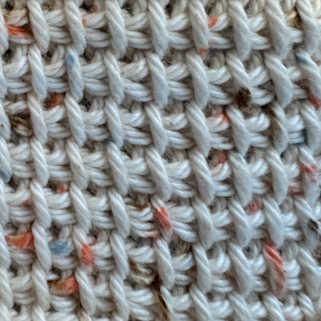
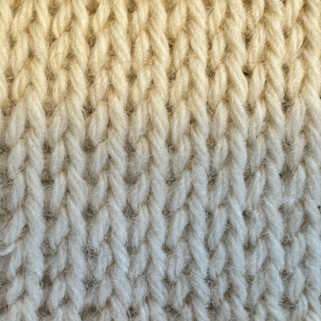
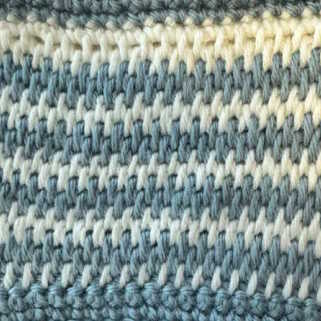 Tunisian Full Stitch
6. Colorwork Stitches
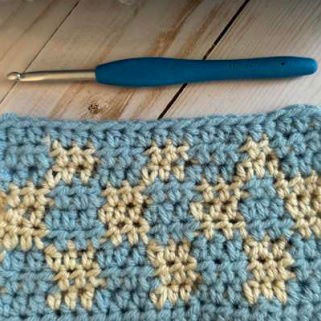
Crochet colorwork uses two or more yarn colors to create pictures, motifs and repeating designs. Different colorwork methods handle the unused yarn in different ways.
In tapestry crochet, unused colors are usually carried inside the stitches as you work. Stranded crochet carries unused yarn across the back of the fabric in short floats. Intarsia uses separate balls or bobbins for individual areas of color rather than carrying yarn across the entire row. Overlay crochet builds a design by working selected stitches over stitches from earlier rows or rounds.
Intarsia crochet involves working with multiple colors in separate sections, creating distinct color blocks without carrying the unused colors across the back. Overlay crochet is a technique where a contrasting color is worked over the primary color, creating a layered effect.
These colorwork techniques allow crocheters to create stunning, multicolored designs that add depth and interest to their projects.

Difficulty Levels
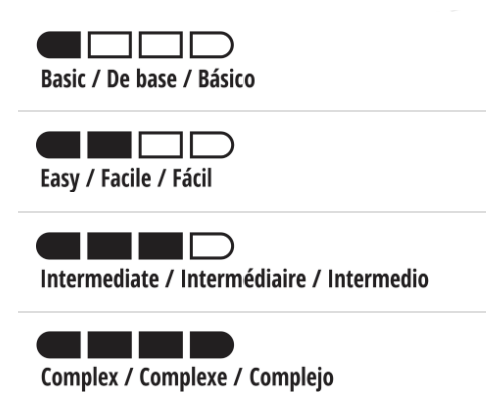
The difficulty of crochet stitches varies, and some stitches are more challenging than others. The Craft Yarn Council has designated four difficulty levels: Basic, Easy, Intermediate, and Complex.
Stitch difficulty depends on the specific pattern rather than the category alone. Some textured, lace and colorwork patterns use simple repeats suitable for beginners, while others require complex placement, shaping or multiple techniques.
Basic stitches are the easiest to learn and are suitable for beginners.
Tunisian crochet stitches may also be more challenging for beginners, requiring a different technique and a specialized hook.
Choosing the Right Stitches
Crocheters determine which stitches to use based on several factors, including the desired appearance of the finished project, the level of difficulty they are comfortable with, and the specific requirements of the pattern they are following. When selecting stitches for a project, crocheters consider the following:
1. Fabric density: Different stitches create fabrics with varying density levels. For example, single crochet produces a tight, dense fabric, while double crochet produces a looser, more open fabric.
2. Drape: The choice of stitch affects how the finished project will drape. Lace stitches create a fluid, flowing drape, while textured stitches may produce a stiffer, more structured fabric.
3. Pattern requirements: Crochet patterns often specify which stitches to use to achieve the desired look. Following the pattern's instructions ensures that the finished project will match the designer's vision.
4. Personal preference: Crocheters may choose stitches based on their style, the techniques they enjoy working with, or the level of challenge they seek.
Frequently Asked Questions About Crochet Stitches
What are the six basic crochet stitches?
What are the six basic crochet stitches?
The six basic crochet stitches in US terminology are the chain, slip stitch, single crochet, half double crochet, double crochet, and treble crochet. These stitches form the foundation for most crochet stitch patterns.
Which crochet stitch should a beginner learn first?
Which crochet stitch should a beginner learn first?
Begin by learning the chain stitch, followed by single crochet. Once you can maintain an even stitch count and recognize the top of each stitch, move on to half double and double crochet. The slip stitch is also important for joining rounds and moving across your work.
How many different crochet stitches are there?
How many different crochet stitches are there?
There is no fixed number because crocheters continually create new stitch patterns by combining basic stitches, changing where the hook is inserted, adding texture, or working with different colors. Most decorative stitches are variations or combinations of a relatively small number of basic stitches.
What is the easiest crochet stitch for a blanket?
What is the easiest crochet stitch for a blanket?
Single crochet is easy to learn and creates a warm, dense blanket, but it can take longer to complete. Half double crochet works up faster while still providing warmth, making it a good first choice for a beginner blanket.
Why do US and UK crochet stitches have different names?
Why do US and UK crochet stitches have different names?
US and UK crochet patterns use different names for several of the same stitch movements. For example, a US single crochet is called a double crochet in UK terminology. Check which terminology a pattern uses before beginning.
Where to Go Next
If you are a beginner, start with one basic stitch and make a small practice swatch. Once you can recognize your stitches and keep the edges reasonably straight, try a simple combination stitch such as moss, lemon peel or half double crochet rib.
Choose your next stitch according to the fabric you want to make—dense, drapey, textured, open or colorful. Follow any of the linked tutorials above for step-by-step instructions and project ideas.
Crochet Milestones for the Absolute Beginner: What to Learn and in What Order
Easy Crochet Projects that Beginners Love
Ergonomic Crochet Hooks to Use if Your Hands Ache
Still Unsure about Crochet? Explore the Differences (pros and cons) of Crochet Versus Knitting
Pin for Future Reference

Disclosure:
This post contains affiliate links. If you buy through them, I may earn a small commission at no extra cost to you.

Janice Jones is a Certified Knitting and Crochet Instructor who creates beginner-friendly patterns and tutorials, backed by a 389-page library of practical knitting and crochet content.
Most Popular Pages
Comprehensive Guide to Yarn

All Types of Crochet Stitches
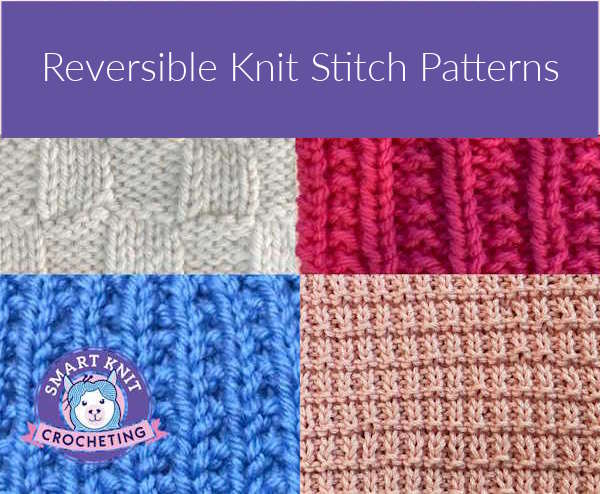
36 Reversible Knit Stitch Glossary
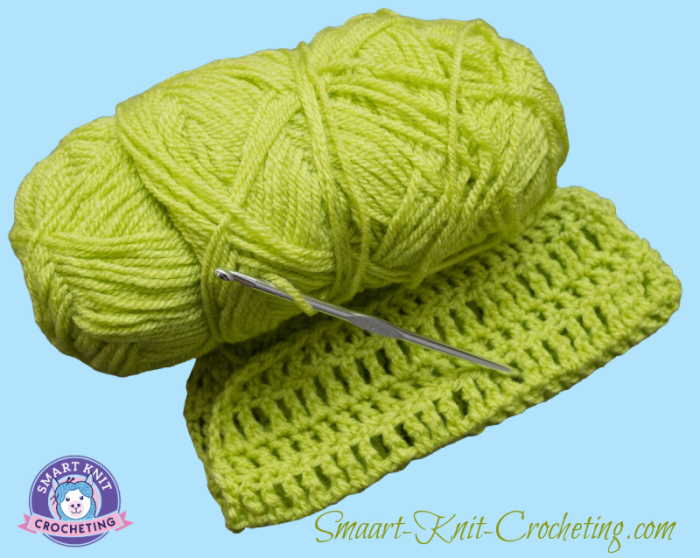
How to Crochet the Second Row
Dog Sweater Patterns

Working with Alpaca Yarn
Free eBooks, Just for You
Get my beginner eBook guides to Knitting and Crocheting, just for signing up for my monthly newsletter.
Choose one or both when you sign up.
About the Author: Please allow me to introduce myself

Janice Jones is a Certified Knitting Instructor and Certified Crochet Instructor through the Craft Yarn Council who focuses on beginner-friendly patterns, stitch guides, and technique tutorials. She has built a library of 389 pages on her website, sharing practical instructions and patterns, and has completed projects ranging from crochet blankets to knit sweaters. You can explore her work on her website. She makes items for Warm Up America and often knits and crochets sweaters for her small dogs.
Thank you for visiting Smart-Knit-Crocheting. I hope this and all of my tutorials will give you the inspiration to continue your knit or crochet journey. For a complete list of all the pages on my site, please visit my table of contents.
I participate in the Amazon Services LLC Associates Program, an affiliate advertising program designed to provide a means for sites to earn advertising fees by advertising and linking to Amazon.com. “As an Amazon Associate I earn from qualifying purchases.” These earnings go towards supporting my website.
Home | Contact | About | Privacy Policy | Disclaimer
I DO NOT SELL ANY PERSONAL INFORMATION FROM THIS WEBSITE. PLEASE SEE MY PRIVACY POLICY FOR MORE DETAILS.
Copyright © 2006-2026 Smart Knit Crocheting. All Rights Reserved
Please Share
Remember, Sharing is Caring