- Home
- Easy Beginner Crochet Patterns
- Skill Milestones in Crochet
Crochet Skill Milestones: The Fastest Way to Build Confidence as a Beginner
Learning crochet can feel overwhelming at first. There are dozens of stitches, hundreds of projects, and enough advice online to leave any beginner wondering where to start.
The good news is that you don't need to learn everything at once.
Most crocheters develop their skills one milestone at a time. Each new project teaches a specific technique and helps build the confidence needed for the next challenge. Instead of focusing on how many projects you've completed, focus on the skills you've mastered along the way.
This beginner-friendly roadmap will help you identify the most important crochet milestones and suggest a simple project that proves you've learned each one.
Why this page? I've received a couple of emails from people who are anxious to learn but aren't sure where to start. We were all there once. In fact, I started my crochet story as a preteen when I wanted to learn how to make granny squares. I have a feeling that I wasn't alone, but are granny squares the best place to start?
Looking back, my answer was NO. My grandmother taught me to crochet in the late 60s and early 1960s, and she learned it as a child. However, my grandmother only had a 4th-grade education, and I rather doubt they taught her how to teach others; in those days, everyone learned by doing. Luckily, we have many ways to learn these days.
| Skill Milestone | Project That Proves It | What You'll Learn |
|---|---|---|
| Make consistent chains | Single Crochet Bookmark | Holding the hook and yarn, making a slip knot, consistent chain tension, and first single crochet stitches |
| Crochet straight rows | Half Double Crochet Washcloth | Turning chains, counting stitches, keeping straight edges, and working even rows |
| Recognize crochet stitches | Beginner Plush Blanket | Identifying stitches, finding the first and last stitch, counting rows, and recognizing mistakes |
| Work in the round | Basic Granny Square | Joining rounds, chain spaces, corners, and working into spaces instead of stitches |
| Crochet a tube | Granny Stitch Cowl | Joining to work in the round, crocheting a cylinder, and weaving in ends |
| Change colors neatly | Suzette Stitch Dishcloth | Changing colors at the end of rows, carrying yarn, and adding a simple border |
| Follow a written pattern | Linked Half Double Crochet Market Bag | Reading abbreviations, repeats, stitch counts, and combining several techniques |
| Shape crochet fabric | Double Crochet Scarf | Increases and decreases, shaping, front post stitches, and finishing techniques |
| Build your stitch library | Crunch Stitch, Grit Stitch, Wattle Stitch, Parquet Stitch, Sedge Stitch, and V-Stitch projects | Combining basic stitches into decorative fabrics and choosing stitches for different projects |
Milestone 1: Make Consistent Chains
Every crochet project begins with a foundation chain. While chaining may seem simple, it teaches one of the most important skills in crochet: tension control.
Many beginners make chains that are either too tight or too loose or both. Consistent chains create a solid foundation for everything that follows. The base of your work looks more professional when each chain is the same size -- not too loose, not too tight, but just right.
How to hold the yarn and hook while crocheting.
How to Make a slip knot and crochet chain.

Project That Proves It: A Simple Bookmark

A bookmark made entirely from chain stitches and single crochet is quick to complete and allows you to practice maintaining even tension throughout your work.
You're ready to move on when:
- When you feel comfortable holding a hook and yarn.
- Your chains are similar in size.
- The chain lies relatively flat.
- You can crochet without constantly stopping to adjust your grip.
- Make an easy crochet bookmark
Milestone 2: Crochet Straight Rows
One of the first frustrations beginners encounter is ending up with a piece that gets wider or narrower with every row. As beginners, we often don't realize we are either increasing or decreasing stitches with each row.
Learning to keep straight edges means you've started to understand stitch placement and counting. I was either making more stitches or working fewer stitches when I realized that I needed to either work into the first stitch, skip the stitch and work into the last stitch, but was there a standard that I was missing?
Everybody else seems to know where rows begin and end. Why don't I?
Project That Proves It: A Washcloth or Dishcloth

A simple dishcloth worked in half-double crochet is one of the best beginner projects because it provides plenty of practice without requiring a major time commitment.
You're ready to move on when:
- Your stitch count remains consistent.
- The edges are reasonably straight.
- The fabric forms a square or rectangle rather than a triangle.
- Go to the Free Half-Double Crochet Washcloth Pattern
Milestone 3: Learn to Recognize Crochet Stitches
At some point, every crocheter realizes they need to identify stitches rather than simply follow directions.
Being able to recognize the top loops of a stitch, find the first stitch in a row, and spot mistakes will make learning new techniques much easier.
Project That Proves It: A Basic Blanket
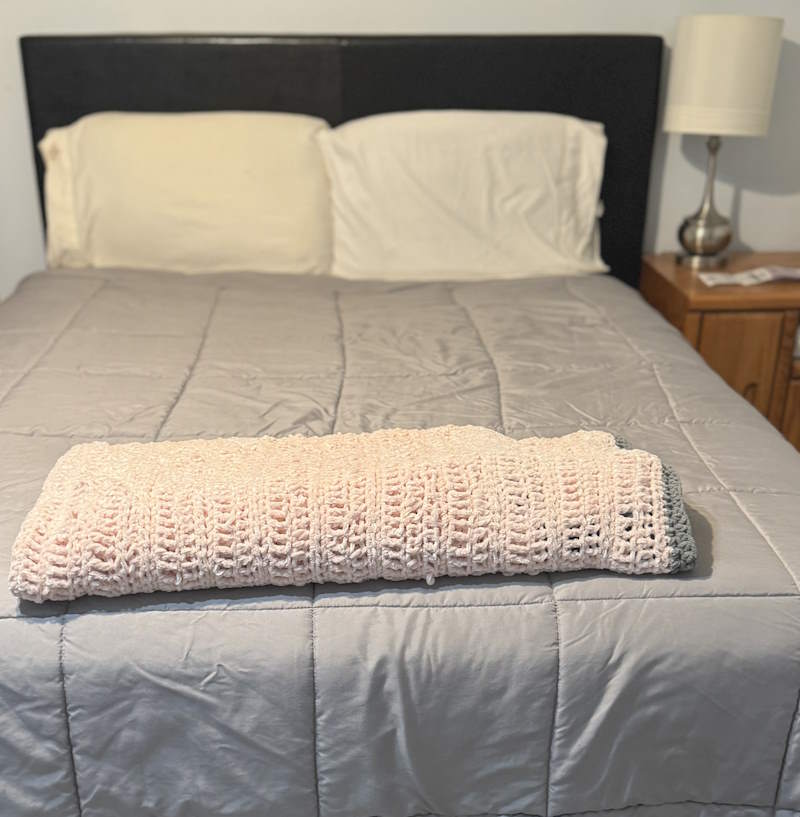
A blanket provides enough repetition to help you become familiar with the anatomy of the stitch. By the end of the project, you'll likely find it much easier to identify where your hook belongs. While working on this blanket, you will learn the basic stitches of single, half-double crochet, double crochet, and treble crochet stitches and practice identifying and counting stitches.
You're ready to move on when:
- You can identify the first and last stitch in a row.
- You can count stitches without difficulty.
- You can spot an obvious mistake in your work.
Free Plush Yarn Blanket for Beginners
Milestone 4: Work in the Round
Many crochet projects, including hats, granny squares, baskets, and amigurumi, are worked in the round.
Learning this skill opens the door to an entirely new category of projects.
Project That Proves It: A Granny Square
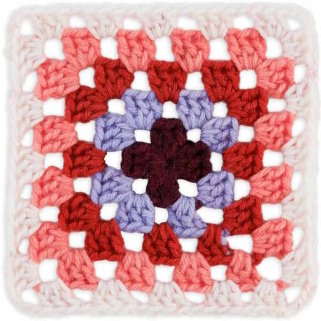
The classic granny square remains popular for a reason. It introduces working in the round while using only a few basic stitches.
As you work, you'll learn:
- How to join rounds.
- How corners are formed.
- How stitch spaces differ from individual stitches.
You're ready to move on when:
- Your square lies flat.
- The corners are easy to identify.
- You can complete multiple rounds without confusion.
Milestone 5: How to Make a Crochet Tube
Cubes are very popular because they do not require seaming. You can create cup cozies, cowls, planters, even pillows by simply working simple crochet stitches joined to form a tube. If you are interested in Amigurumi, learning how to work a crochet cylinder is a must.
Project That Proves It: A Cozy Cowl Worked in the Granny Stitch
A small cozy cowl will teach you how to join and work a tube or cylinder
Skills learned include:
- Join crochet to work a stepped tube.
- Practice the Granny Stitch double crochet
- Weaving in ends neatly.


You're ready to move on when:
- You can count your stitches
- The ends remain secure after weaving them in.
- You understand how to make the knotted half double crochet stitch.
- Make an easy granny stitch cowl.
Milestone 6: Changing Colors at the End of the Row
There are many ways to change colors in crochet, but one of the easiest ways is by change colors at the end of a row.
Projects That Prove It: Suzette Dishcloth
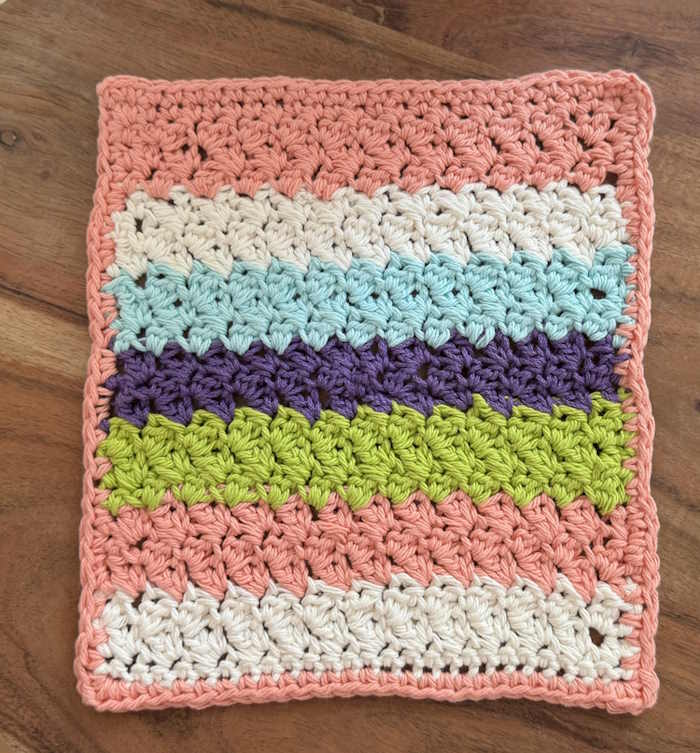 Suzette DishCloth
This beginner-friendly dish or face cloth will provide opportunities to learn
- How to read instructions
- How to change colors at the end of the row
- How to add a border
- Free Suzette Dishcloth Pattern
Milestone 7: Follow a Written Crochet Pattern
Many beginners learn from videos, but written patterns remain one of the most useful tools in crochet.
Understanding abbreviations, stitch counts, and repeats allows you to tackle a much wider range of projects.
As a beginner, I thought that "I can crochet, but these instructions make no sense. What is it trying to explain and expect me to do? Maybe I really don't know anything about crochet, because none of this makes any sense at all.
How to read crochet instructions.
Project That Proves It: A Beginner Market Bag
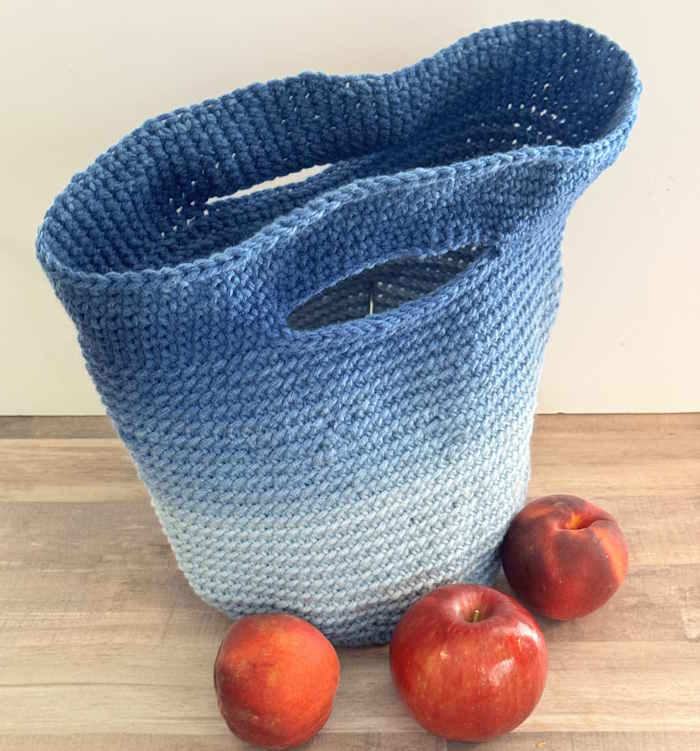 Crochet Market Bag
This beginner friendly market bag pattern introduces several new concepts while remaining approachable.
As you work, you'll learn to:
- Read crochet abbreviations.
- Follow row-by-row instructions.
- Keep track of repeats.
- Check stitch counts.
- Here is a free crochet pattern for a market bag.
You're ready to move on when:
- You can follow a simple pattern independently.
- Crochet abbreviations feel familiar.
- You spend more time crocheting than decoding instructions.
Milestone 8: Shape Crochet Fabric
The skill of shaping fabric is needed if you want to making anything other than a square or rectangle. Now there's nothing wrong with either shape, but crochet gets a little more interesting once you can make other shapes such as circles, triangles and even hexagons. I've provided a couple of projects for you to try once you want to learn how to increase or decrease. Try them out; they aren't as hard as you might think.
Learn how to make crochet increases
Learn how to make crochet decreases
Project That Proves It: A Crochet Scarf (Decrease Lesson)
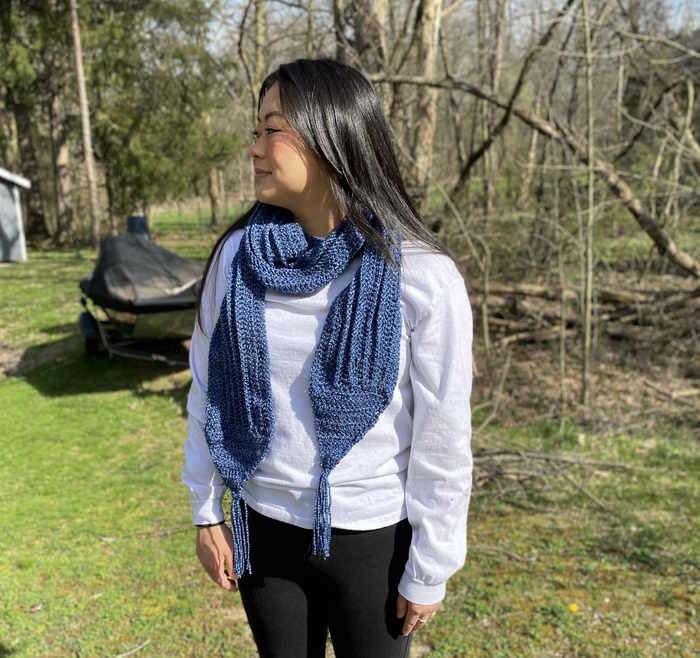 Double Crochet Tasseled Scarf
This scarf pattern requires you to crochet a rectangle using easy double crochet stitches but also adding a Front Post Double Crochet Technique. You finish the scarf with a tapered triangle that ends with a tassel.
This simple project teaches:
- Front Post Double Crochet Stitch
- Decreasing stitches neatly.
- Making a Tassel
- Get Your Free Double Crochet Tasseled Scarf Pattern
You're ready to move on when:
- Your increases are difficult to spot.
- Your decreases look tidy.
- The finished shape resembles the intended project.
Milestone 9: Build Your Stitch Library
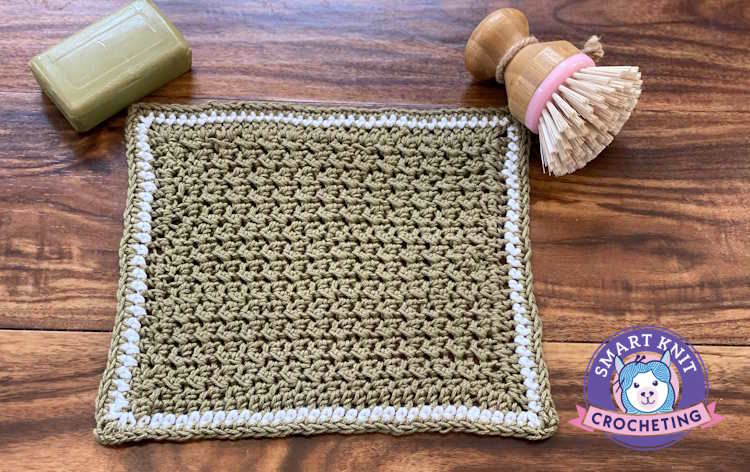
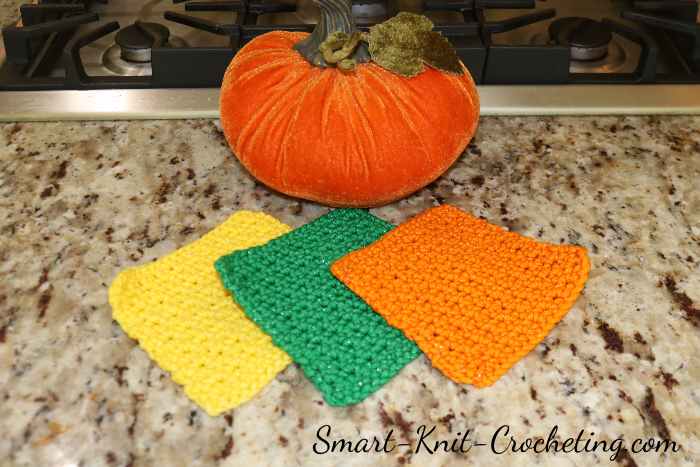
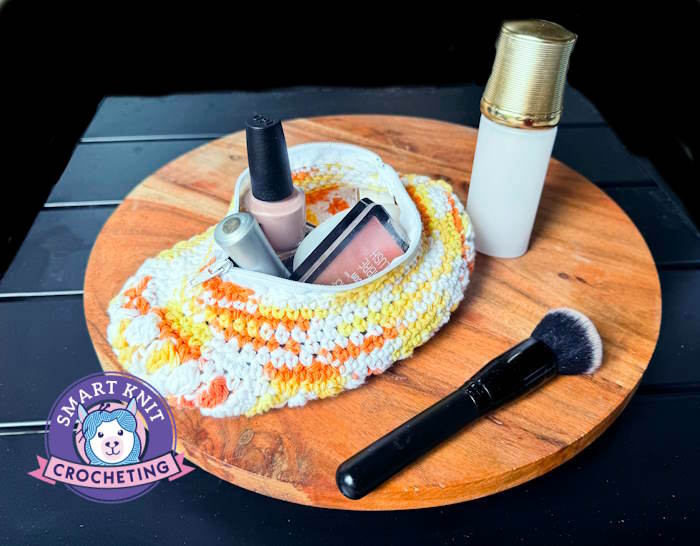
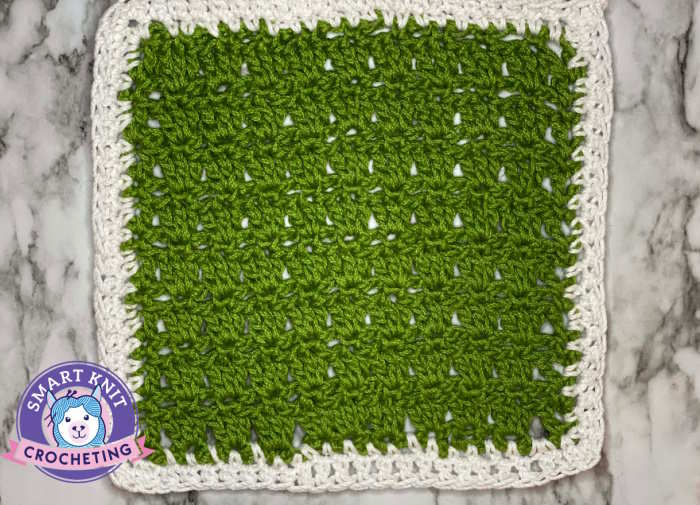
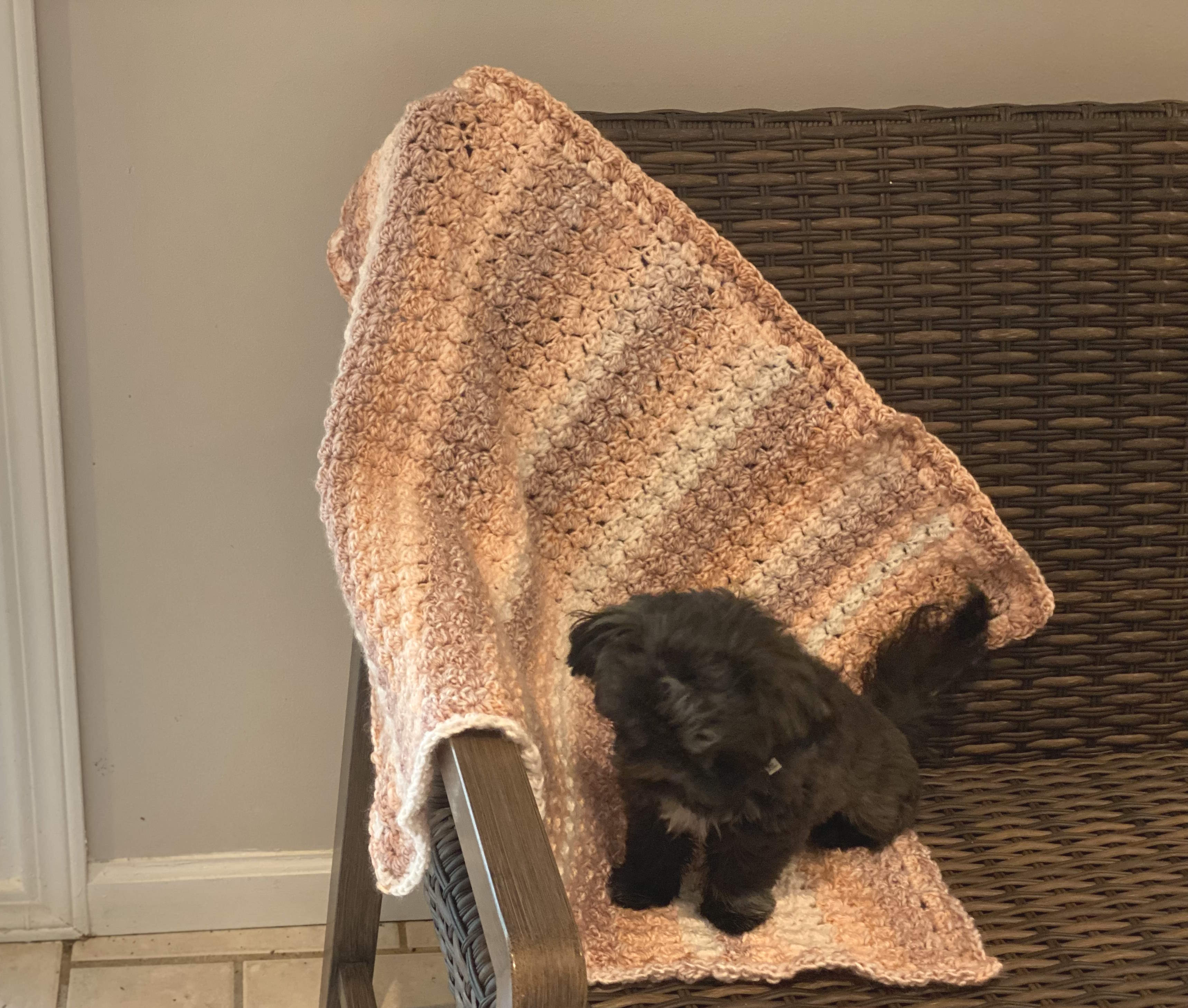
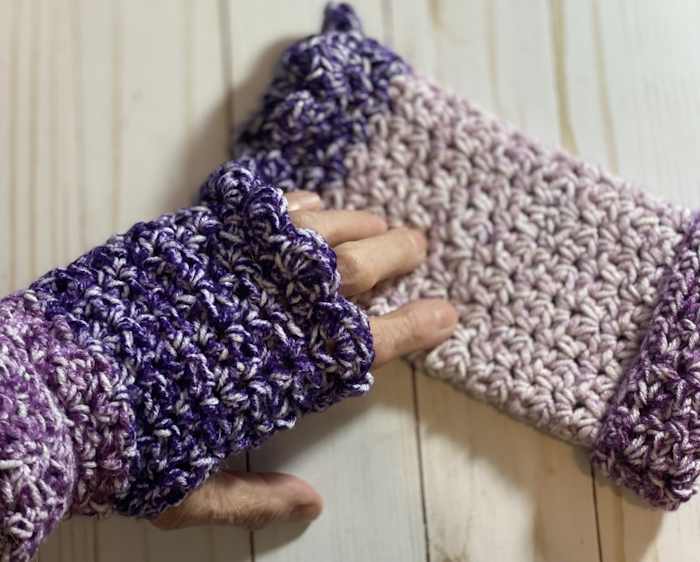
After you master all the basic stitches, you will likely want to add some additional texture and color into your projects. There are so many crochet stitches out there, that you could spend the next decade exploring them all, but you only need to learn the ons that appeal to you.
Projects That Prove it


Do You Need to Learn These Skills in Order?
Not necessarily.
Every crocheter has different goals.
If you want to make blankets, you may spend more time mastering stitch consistency and color changes.
If you want to create amigurumi, you'll likely learn how to shape much earlier.
If garments interest you, understanding gauge and sizing may become important sooner than working with multiple colors.
Think of these milestones as a roadmap rather than a set of rules.
Crochet Milestone Checklist
How many of these can you check off?
□ I can hold a hook and yarn.
□ I can make consistent chains.
□ I can crochet straight rows.
□ I can identify basic stitches.
□ I can work in the round.
□ I can work a crochet tube.
□ I can change colors neatly.
□ I can follow a written pattern.
□ I can increase and decrease confidently.
Every box you check represents real progress.
What Should You Learn Next?
If you've mastered straight rows, try learning granny squares.
If you've completed several granny squares, experiment with color changes.
If you're comfortable with reading patterns, challenge yourself with a hat or a simple wearable.
The key is to build one skill at a time rather than trying to learn everything at once.
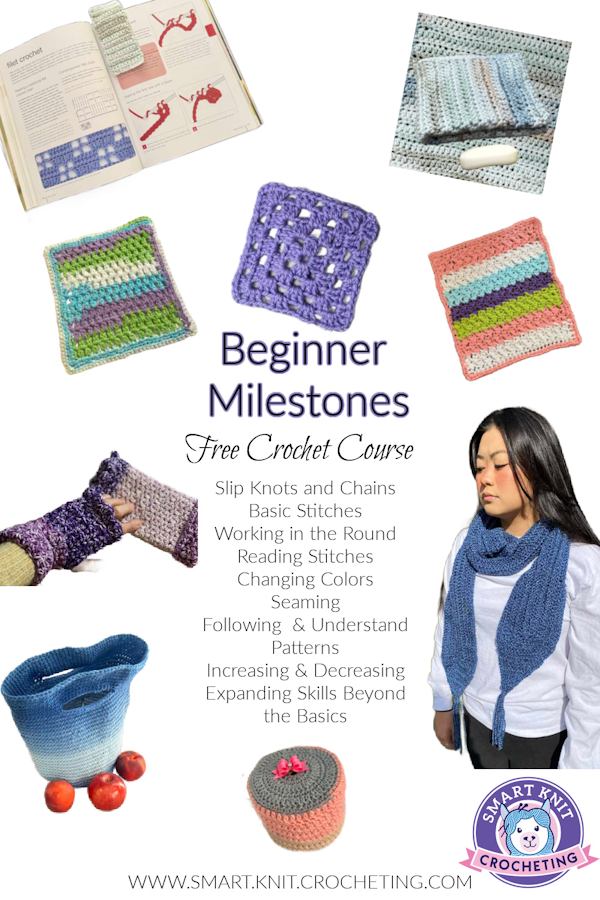
Pin for Future Reference

Final Thoughts
Crochet isn't a race, and there is no deadline for mastering new techniques.
The fastest way to improve is to choose projects that teach a single new skill while reinforcing the skills you already know. Each completed project becomes proof of your progress and builds confidence for the next challenge.
Remember, every experienced crocheter started with a slip knot, a hook, and a lot of practice. Focus on one milestone at a time, celebrate your progress, and enjoy the journey.
Disclosure:
This post contains affiliate links. If you buy through them, I may earn a small commission at no extra cost to you.
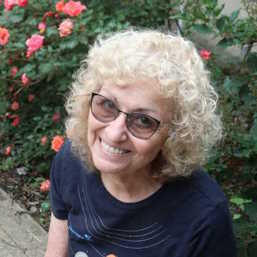
Janice Jones is a Certified Knitting and Crochet Instructor who creates beginner-friendly patterns and tutorials, backed by a 389-page library of practical knitting and crochet content.
Most Popular Pages
Comprehensive Guide to Yarn

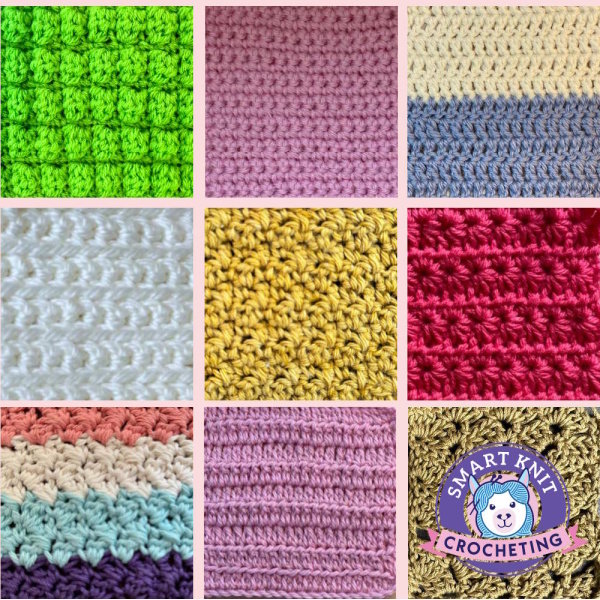
All Types of Crochet Stitches
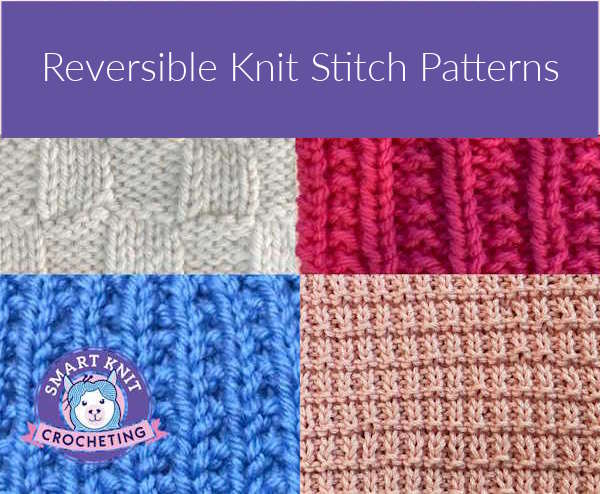
36 Reversible Knit Stitch Glossary
How to Crochet the Second Row
Dog Sweater Patterns
Working with Alpaca Yarn
Free eBooks, Just for You
Get my beginner eBook guides to Knitting and Crocheting, just for signing up for my monthly newsletter.
Choose one or both when you sign up.
About the Author: Please allow me to introduce myself
Janice Jones is a Certified Knitting Instructor and Certified Crochet Instructor through the Craft Yarn Council who focuses on beginner-friendly patterns, stitch guides, and technique tutorials. She has built a library of 389 pages on her website, sharing practical instructions and patterns, and has completed projects ranging from crochet blankets to knit sweaters. You can explore her work on her website. She makes items for Warm Up America and often knits and crochets sweaters for her small dogs.
Thank you for visiting Smart-Knit-Crocheting. I hope this and all of my tutorials will give you the inspiration to continue your knit or crochet journey. For a complete list of all the pages on my site, please visit my table of contents.
I participate in the Amazon Services LLC Associates Program, an affiliate advertising program designed to provide a means for sites to earn advertising fees by advertising and linking to Amazon.com. “As an Amazon Associate I earn from qualifying purchases.” These earnings go towards supporting my website.
Home | Contact | About | Privacy Policy | Disclaimer
I DO NOT SELL ANY PERSONAL INFORMATION FROM THIS WEBSITE. PLEASE SEE MY PRIVACY POLICY FOR MORE DETAILS.
Copyright © 2006-2026 Smart Knit Crocheting. All Rights Reserved
Please Share
Remember, Sharing is Caring