- Home
- Comprehensive Guide to Yarn
- What is Acrylic Yarn?
What Is Acrylic Yarn? Pros, Cons, Best Uses, and Beginner-Friendly Picks
by Janice Jones, Published May 2, 2026
Acrylic yarn is a synthetic yarn made from acrylic fibers. Beginners often choose it because it is affordable, easy to find, and usually simple to care for. Many popular acrylic yarns are medium-weight and machine-washable, making them practical for learning both knitting and crochet.
What is Acrylic Yarn?
Acrylic yarn is a man-made yarn made from synthetic fibers rather than fibers that come from plants (cotton and bamboo) or animals (wool and silk). In simple terms, manufacturers start with petroleum-based chemicals, turn them into long-chain polymers, and then spin those fibers into yarn. The main polymer used is called polyacrylonitrile, but you do not need to remember that name to understand why acrylic behaves the way it does. In the U.S., a manufactured fiber generally must contain at least 85% acrylonitrile units to be called acrylic.
What matters most is that acrylic is engineered to be soft, lightweight, colorful, and easy to care for.
For knitters and crocheters, that science shows up in practical ways. Acrylic yarn is often affordable, widely available, and usually simple to wash, which is why so many beginners start with it. Modern acrylic yarns are often much nicer than the stiff acrylics people remember from years ago, but they are still not the same as natural fibers. They tend to be less breathable than wool or cotton, and they do not handle high heat well. That makes acrylic a very good choice for many easy-care projects, but not always the best one for every project.
Is Acrylic Yarn Good for Beginners?
Acrylic yarn is a good choice for beginners. Most beginners gravitate to acrylic because it offers real benefits.
- It is affordable, usually costing less than other fibers
- It is easy to care for finished projects because they are machine-washable
- It is widely available locally and online
- There's no end to the number of colors, including variegated and ombre yarns.
- It is usually hypoallergenic
- With so many choices, the beginner can find the perfect color in the perfect weight, and the perfect feel for their first projects
Pros and Cons of Acrylic Yarn
Every fiber has its pros and cons. Here is a short list of the best and worst characteristics of acrylic yarn.
Pros
- Very budget-friendly
- Easy to find online, in big box craft stores, and other discount outlets
- Machine-washable
- Many colors available
- Good for practice: Great for learning to knit or crochet
- Often durable for blankets, hats, scarves, and kid-friendly projects
- baby-friendly
Cons
- Can feel less breathable than natural fibers
- Some acrylic yarns feel rough or squeaky
- Quality varies a lot from brand to brand
- It is difficult to block
- May pill over time, especially with frequent wear and washing. Anti-pilling acrylic yarns can help reduce this problem.
- Not as stretchy or elastic as wool, which affects the drape and fit of certain projects.
- Highly heat-sensitive, so it can't be used in projects that may come into contact with a heat source.
- Some acrylic yarns have less natural elasticity and drape than wool, depending on the yarn and project.
- Less Warmth: Acrylic yarn may not provide the same level of warmth as natural fibers like wool.
- Environmental Concerns: Acrylic yarn is made from synthetic materials derived from petrochemicals, which can have adverse environmental impacts.
What is acrylic yarn best used for?
Acrylic is often the fiber of choice for many beginner-friendly projects. For example, an easy baby blanket can be either knitted or crocheted with acrylic yarn. Acrylic is also a good choice for easy scarves and hats.
Good uses:
- Scarves
- Hats
- Blankets
- Beginner sweaters
- Practice swatches
- Charity projects
- Kid items
- Easy-care gifts
- Toys
- Home decor items such as pillow covers
When should you not use acrylic yarn?
- Potholders
- Trivets
- Dishcloths if absorbency is the main goal
- Very hot-weather garments when breathability matters most
What to Know Before You Buy Acrylic Yarn
When I first started knitting and crocheting, I gravitated to acrylic yarn because it seemed more affordable than other fibers. I would encounter sales where I'd stock up on acrylic yarn, thinking I would find a great project for everyone I bought it for. I don't recommend that strategy because over the years, the yarns I mostly discard happen to be acrylic, not because I don't like them, but rather because I went crazy stocking up on them.
Here are a few of the things I quickly learned about acrylic yarns:
- Not all acrylic yarn feels the same; some are very soft, and others are rough enough to feel uncomfortable in your hands.
- Some pills are more than others; some are advertised as anti-pill.
- Check the care instructions on the label and whether the yarn is 100% acrylic or a blend.
How to Choose Acrylic Yarn for Your Project
When choosing acrylic yarn, do not look at price alone. The best acrylic yarn for your project depends on how the finished item will be used, how soft you want it to feel, and how much wear and washing it will get.
- For blankets: choose a soft, washable worsted-weight acrylic or acrylic blend.
- For hats and scarves: choose something soft enough to wear near your face and neck.
- For baby items: choose a soft, machine-washable yarn and check the label carefully.
- For practice swatches: choose a smooth, light-colored acrylic yarn so you can see your stitches clearly.
- For sweaters: choose a softer acrylic or acrylic blend with better drape.
If you are a beginner, I recommend starting with a smooth, medium-weight acrylic yarn in a light or medium color. Very dark, fuzzy, or novelty acrylic yarns can make it harder to see your stitches.
Acrylic Blends
Many acrylic yarns are not 100% acrylic. One of the most common blends beginners will run into is an acrylic-wool blend. These yarns are designed to give you some of the warmth and natural feel of wool, while still keeping the yarn easier to care for and usually more affordable than pure wool.
For example, Lion Brand’s Wool-Ease is an 80% acrylic, 20% wool blend that combines the warmth of wool with the easy-care qualities of acrylic. In practical terms, that usually means the yarn feels a little cozier and more “woolly” than straight acrylic, with better insulation for hats, scarves, and sweaters, but without quite as much fuss as a 100% wool yarn.
Another blend you may see is acrylic mixed with cotton, nylon, or a small amount of a luxury fiber like alpaca. When cotton is added, the yarn is often more breathable and absorbent, while the acrylic helps keep it lighter and easier to wash.
Lion Brand has described cotton-acrylic blends this way, noting that cotton adds absorbency and acrylic adds lightness.
Nylon is often added for extra durability and elasticity, which is why it is common in sock yarns and other hard-wearing blends.
A touch of alpaca, on the other hand, is usually there to make the yarn feel softer, warmer, and a little more special.
In short, the extra fiber changes the acrylic rather than replacing it:
- Wool adds warmth
- Cotton adds breathability
- Nylon adds strength
- Alpaca adds softness and luxury
That is why two acrylic blends can feel completely different, even when acrylic is still the main fiber.
Good Examples of Blends Worth Checking Out
Vintage DK by Berroco
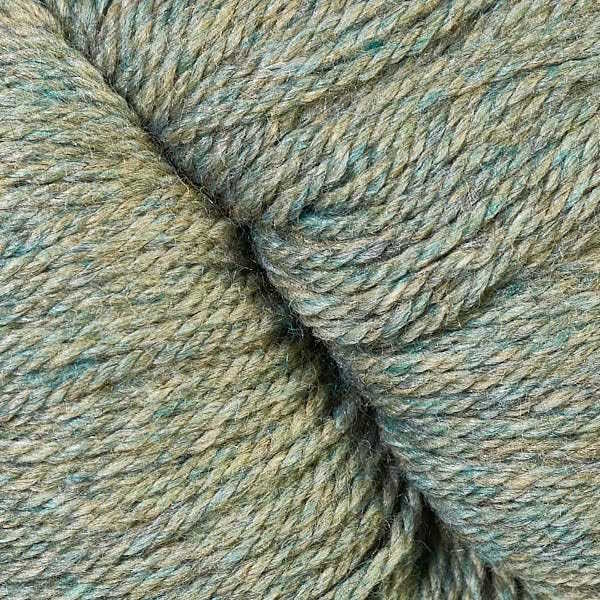
Details - DK Weight (CYC #3) | 52% Acrylic, 40% Wool, 8% Nylon (290yds / 100g)
This machine wash blend features a wide color range, an incredibly soft feel, and yardage that goes on and on. Its unique fiber blend makes laundering a breeze and is perfectly suited for easy-care garments for both children and adults.
Check Price and Availability on Amazon
Can anything be added to acrylic to fix the heat problem?
Blending acrylic with fibers like cotton or wool can improve comfort, softness, or breathability, but it does not fully solve acrylic’s heat sensitivity. Acrylic and acrylic blends are usually fine for everyday clothing, blankets, and easy-care projects, but they are still not the best choice for potholders, trivets, or other items exposed to high heat.
Other Synthetics You Might Encounter on Yarn Labels
Acrylic is only one of several man-made fibers used in yarn. Other synthetic fibers you may see include nylon, polyester, polypropylene, and spandex, while some other man-made fibers, such as rayon, viscose, bamboo viscose, lyocell, and acetate, are made by processing plant cellulose rather than creating a fully synthetic polymer from petroleum. In other words, not every “man-made” fiber is the same. Some are fully synthetic, while others are regenerated from natural cellulose.
For yarn crafters, the most common synthetics besides acrylic are nylon and polyester. Nylon is often added for strength, stretch, and abrasion resistance, which is why it shows up so often in sock yarns and other hard-wearing blends.
Polyester is commonly used when manufacturers want durability, shape retention, and easy-care performance.
Spandex is less common in ordinary yarn but may appear in specialty yarns that require extra stretch.
Polypropylene is another synthetic fiber, though it is less common in everyday knitting and crochet yarns than acrylic, nylon, or polyester.
- Acrylic: often chosen for softness, affordability, and easy care
- Nylon: often added for strength and elasticity
- Polyester: often added for durability and shape retention
- Spandex: added for stretch
- Rayon or lyocell: often added for drape, softness, or a smoother feel
| Fiber | What It Is | What It Adds to Yarn | What Beginners Should Know |
|---|---|---|---|
| Acrylic | A fully synthetic fiber often used as a wool substitute | Softness, affordability, easy care, and lots of color choices | Great for many beginner projects, but not very breathable and does not handle high heat well. |
| Nylon | A fully synthetic fiber | Strength, stretch, and durability | Often added to sock yarns and other yarns that need to hold up well with wear. |
| Polyester | A fully synthetic fiber | Durability, shape retention, and easy care | Often used when a yarn needs to be sturdy and keep its shape. |
| Rayon / Viscose / Lyocell | Man-made fibers regenerated from plant cellulose rather than made entirely from petroleum | Drape, softness, and often a smoother feel | These are man-made, but they are different from fully synthetic fibers like acrylic and nylon. |
My Personal Recommendations for Beginner-Friendly Acrylic Yarn
If you survey 100 knitters or crocheters, you are likely to get a different list of best acrylic yarns. That's just the nature of these two yarn crafts. The list below includes those yarns that I have tried and love for various reasons. I have not yet found the "perfect acrylic yarn" for all projects. So, please take that into consideration when reviewing these yarn brands.
Hobby Lobby I Love This Yarn
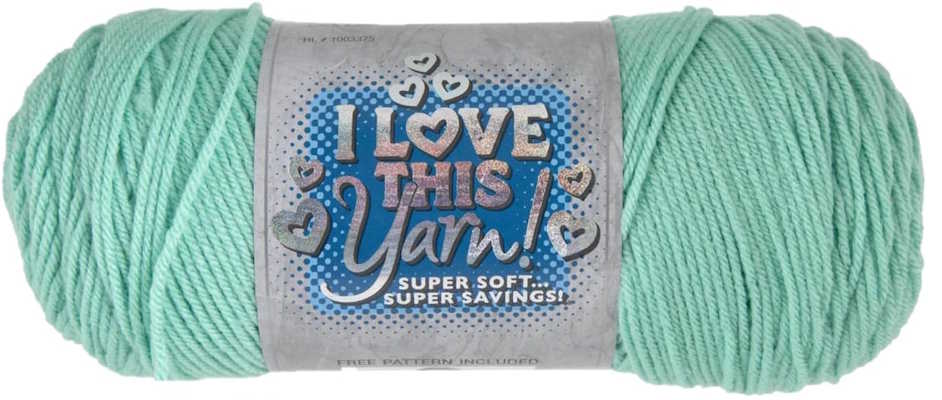
I love this yarn, especially for crochet. In fact, I love this yarn so much that I made an entire oversized temperature blanket out of it. Each skein is 7 ounces and measures 355 yards at an affordable price. It's softer than most, so it's easier on your hands.
Check price and availability on Amazon
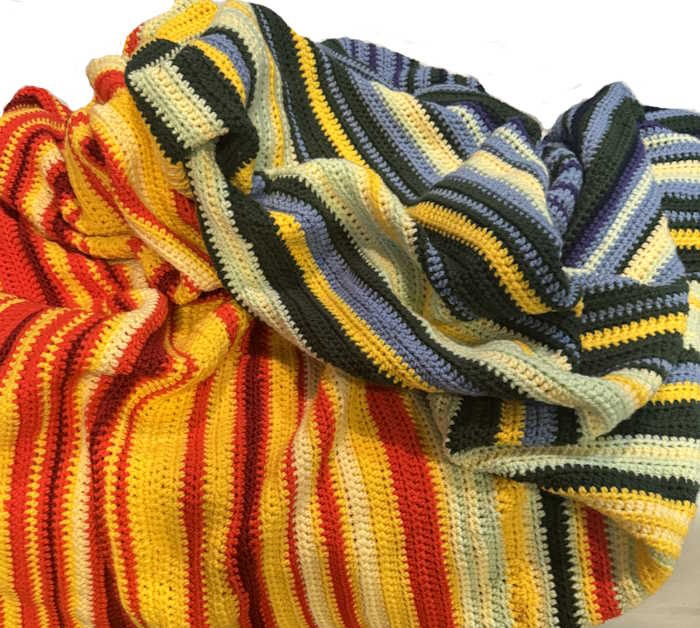 My 2022 Temperature Blanket based out of Cleveland Ohio
Caron Simply Soft
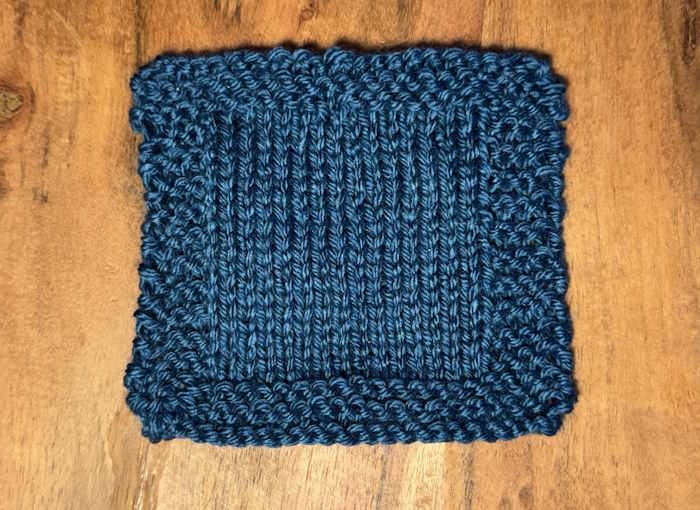
I love this acrylic yarn for the way it feels in my hands and fingers: Soft, does not split, and is easy to manage. I also appreciate that it is affordable and works equally well for both knit and crochet projects.
- Best for beginners who want something softer right away.
- 100% acrylic,
- #4 worsted weight (perfect for beginners)
- Machine washable
- Many colors
- Easy to find online and locally.
Check Availability and Price on Amazon
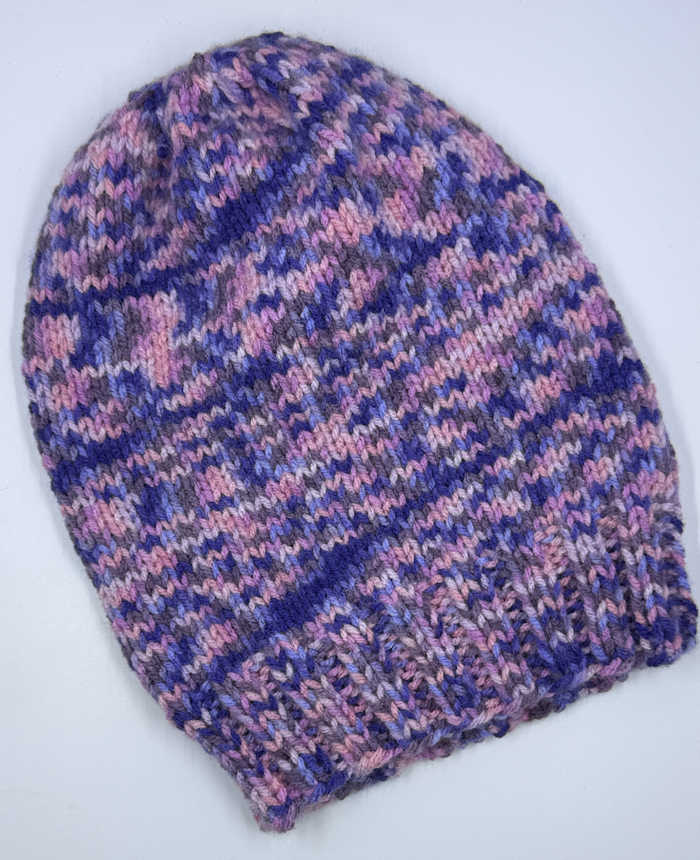
Red Heart Super Saver
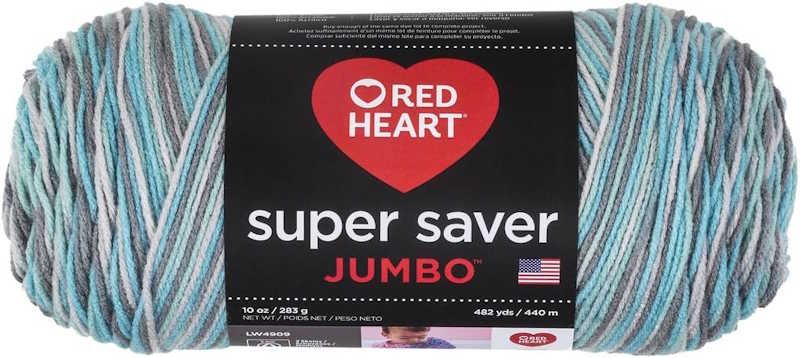
This is probably the best beginner-friendly yarn at the lowest price I have found. It's not my top choice for luxury projects, but I can say that I have made dozens of dog sweaters with this yarn, and they have lasted for many years. It is not the softest yarn, but it is the most durable, and if my memory serves me, it was likely the yarn I used to make my first crochet afghan over 60 years ago!
- Best for true beginners on a budget
- #4 worsted-weight yarn
- 100% acrylic content
- Machine-wash care
- Very large color range
Check Price and Availability on Amazon
Knit Picks Brava
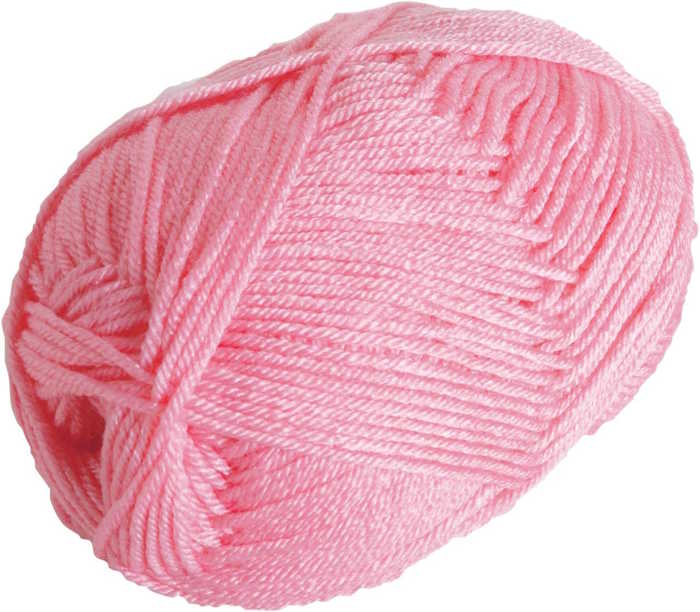
I have a huge stash of these yarns, and I use them regularly on this website for my knit and crochet stitch pattern tutorials. The stitches are easy to see, they hold their shape, and very little blocking is needed. I may not have experimented with all the colors available, but let me tell you, there are so many colors to choose from that crafters will always be able to find their favorite colorway.
- 100% Acrylic Yarn
- #4 Worsted-weight yarn, sports-weight yarns, and DK weight yarns
- Huge color selection, including solids, heathers, stripes, and speckled. You can even purchase Knit Picks Brava yarn, which is an eco-friendly, recycled yarn.
- Affordable
Check Price and Availability on Amazon
Premier Anti-Pilling Everyday Worsted Yarn
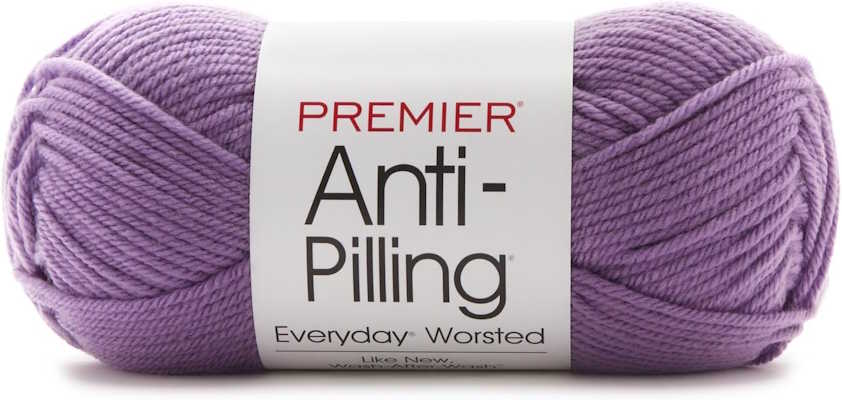
With 66 colors available in #4 worsted-weight yarn, it was difficult to overlook the value this yarn company offered. This company was not on my radar, but with 3.5 oz/100 g balls at less than $4.00 USD, it's worth checking out. I love the color selection.
- 100% Acrylic
- Anti-pilling
- #4 Worsted-weight Yarn
- 66 colors available
Check Price and Availability on Amazon
Can You Block Acrylic Yarn?
For me, this is probably the biggest downfall of acrylic yarn. You can block acrylic yarn, but it does not respond the same way wool does. Wool can often be shaped with moisture and gentle blocking, while acrylic usually needs gentle steam to relax the stitches. This is sometimes called steam blocking or “killing” acrylic if too much heat is used.
Be careful with steam because acrylic can melt, flatten, or lose its bounce if it gets too hot. If you want to block an acrylic project, test on a swatch first and never press a hot iron directly onto the fabric.
Learn more about blocking crochet and blocking knit projects
How to Wash and Care for Acrylic Yarn Projects
Most acrylic yarns are easy to care for, but you should always check the yarn label before washing or drying a finished project. Many acrylic yarns can be machine-washed and dried on a low setting, but high heat can damage the fibers.
- Wash according to the yarn label.
- Use low heat if machine drying is allowed.
- Do not iron acrylic yarn directly.
- Keep acrylic projects away from open flames, hot pans, and high-heat surfaces.
- For handmade gifts, save the yarn label or write care instructions on a small card.
Fibers
I have written about a variety of fibers, including wool, alpaca, superwash wool, and the differences between acrylic and cotton. But here is a quick summary.
Acrylic Yarn vs Wool vs Cotton
| Fiber | Best For | Main Advantage | Main Drawback |
|---|---|---|---|
| Acrylic | Blankets, hats, scarves, beginner projects, gifts | Affordable, washable, easy to find | Less breathable and heat-sensitive |
| Wool | Warm garments, hats, mittens, blocking-friendly projects | Warm, elastic, breathable | Can be more expensive and may require special washing |
| Cotton | Dishcloths, summer items, bags, home projects | Absorbent and breathable | Less stretchy and can feel harder on the hands |
Final Thoughts on Acrylic Yarn
Acrylic yarn is not perfect for every project, but it is one of the most useful yarn choices for beginners. It is affordable, easy to find, available in many colors, and usually simple to wash. That makes it a practical choice for blankets, hats, scarves, practice swatches, charity projects, kid items, and many easy-care gifts.
The key is knowing when acrylic works well and when another fiber would be better. Avoid it for potholders, trivets, and other high-heat projects, and choose cotton or another heat-safe fiber instead. Once you understand acrylic’s strengths and limits, it becomes much easier to choose the right yarn for the project you actually want to make.
Disclosure:
This post contains affiliate links. If you buy through them, I may earn a small commission at no extra cost to you.

Janice Jones is a Certified Knitting and Crochet Instructor who creates beginner-friendly patterns and tutorials, backed by a 389-page library of practical knitting and crochet content.
Most Popular Pages
Comprehensive Guide to Yarn

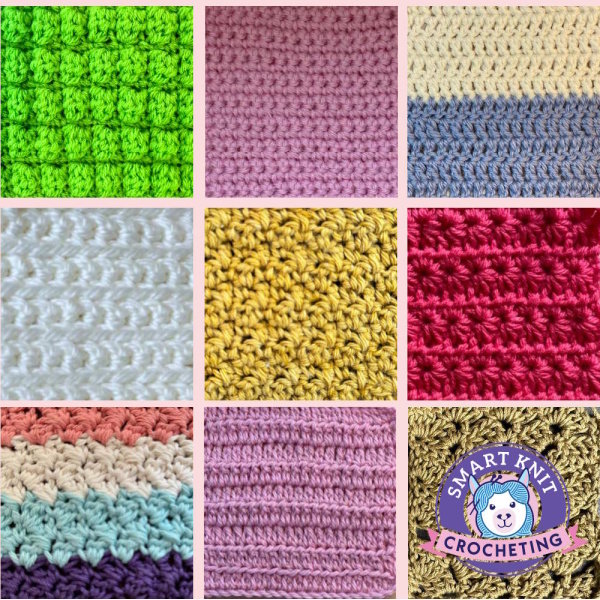
All Types of Crochet Stitches
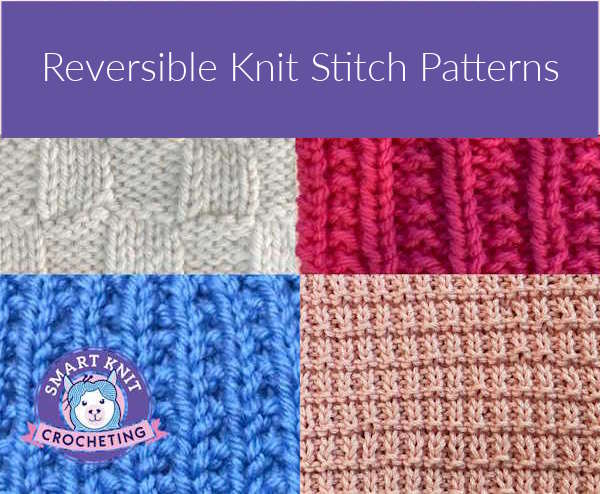
36 Reversible Knit Stitch Glossary
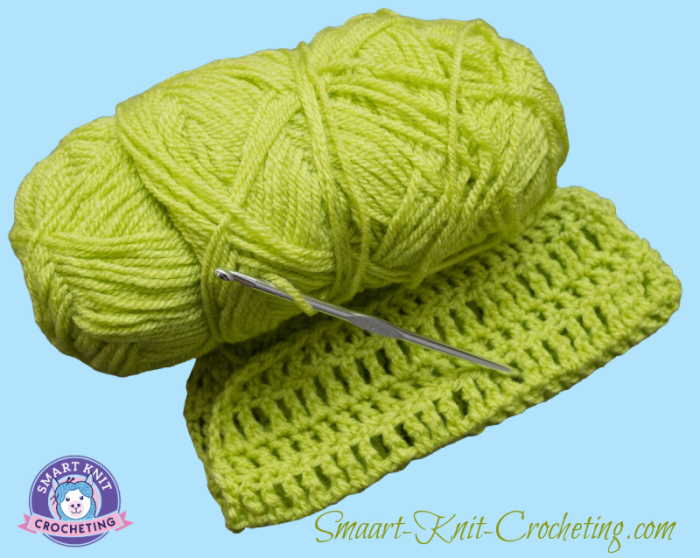
How to Crochet the Second Row
Dog Sweater Patterns
Working with Alpaca Yarn
Free eBooks, Just for You
Get my beginner eBook guides to Knitting and Crocheting, just for signing up for my monthly newsletter.
Choose one or both when you sign up.
About the Author: Please allow me to introduce myself
Janice Jones is a Certified Knitting Instructor and Certified Crochet Instructor through the Craft Yarn Council who focuses on beginner-friendly patterns, stitch guides, and technique tutorials. She has built a library of 389 pages on her website, sharing practical instructions and patterns, and has completed projects ranging from crochet blankets to knit sweaters. You can explore her work on her website. She makes items for Warm Up America and often knits and crochets sweaters for her small dogs.
Thank you for visiting Smart-Knit-Crocheting. I hope this and all of my tutorials will give you the inspiration to continue your knit or crochet journey. For a complete list of all the pages on my site, please visit my table of contents.
I participate in the Amazon Services LLC Associates Program, an affiliate advertising program designed to provide a means for sites to earn advertising fees by advertising and linking to Amazon.com. “As an Amazon Associate I earn from qualifying purchases.” These earnings go towards supporting my website.
Home | Contact | About | Privacy Policy | Disclaimer
I DO NOT SELL ANY PERSONAL INFORMATION FROM THIS WEBSITE. PLEASE SEE MY PRIVACY POLICY FOR MORE DETAILS.
Copyright © 2006-2026 Smart Knit Crocheting. All Rights Reserved
Please Share
Remember, Sharing is Caring