- Home
- Easy Beginner Crochet Patterns
- Crochet Sedge Stitch Dishcloth
Easy Crochet Sedge Stitch Dishcloth Pattern (Free Beginner Pattern)
by Janice Jones, Updated July 17, 2026
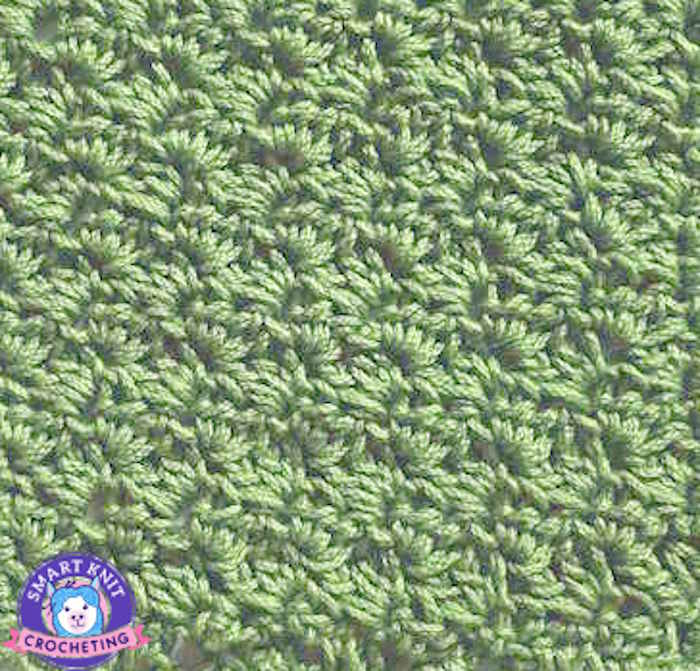 Crochet Sedge Stitch Tutorial
Introduction to the Crochet Sedge Stitch Tutorial
This easy crochet dishcloth uses the beautiful sedge stitch to create a thick, absorbent fabric that's perfect for washing dishes, wiping counters, or giving as a handmade gift. If you already know the sedge stitch—or are ready to learn it—you can finish this project in just a few relaxing evenings.
Skills You Will Need
New to the stitch?
Learn the Crochet Sedge Stitch here.
- Chain a multiple of 3 stitches. For the Swatch shown, I made 18 chains.
- Row 1: In the third chain from the hook, work one half double crochet and one double crochet all in the same space. Next, Skip two chains and work one single crochet, one half double crochet, and one double crochet, all in the next chain stitch. Repeat these instructions that start with the word, Next until one chain remains. Work one single crochet in that last chain and turn.
- Row 2: Chain 1. Place one half double crochet and one double crochet in the first single crochet. Next, skip 2 stitches. In the next stitch, work one single crochet, half double crochet, and one double crochet.
- Repeat row 2 for all subsequent rows until your desired length is achieved.
Crochet Sedge Stitch Washcloth or Cleaning Cloth
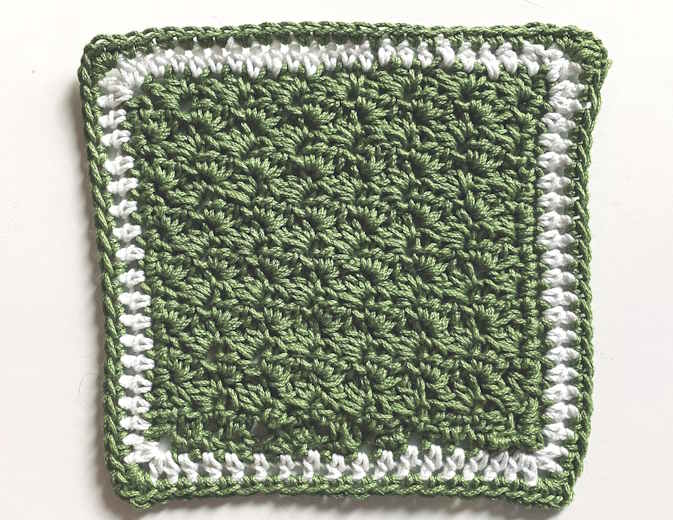 Crochet Sedge Stitch Tutorial and Free Patterns
Why You'll Love This Pattern
This is a beginner-friendly pattern, but even if you are a seasoned crocheter, you will love this pattern:
- Beginner-friendly
- Great first cotton project
- Thick and absorbent
- Excellent stash buster
- Easy to customize
- Beautiful in solids or variegated yarn
- Make one or many for yourself or to gift
- This stitch pattern works up very quickly
Difficulty
Easy, Beginner
Materials
- Yarn: Lion Brand 24/7 Cotton in color, Grass, 186 yd, (170 m) 3.5 oz (100 g) and white
- US Size 7 (4.5 mm) crochet hook
- Yarn or Tapestry needle
- Scissors
Finished Size
6.5” x 6.5” with a sc border, hdc border, sc border.
Abbreviations
Ch: chain
Hdc: half double crochet stitch
Dc: double crochet stitch
SC: single crochet stitch
Instructions
Ch 24.
Row 1: (Hdc, dc) in 3rd ch from hook (skipped 2 chs count as 1st sc), *skip 2 chs, (sc, hdc, dc) in next ch; repeat from * across to last 3 chs, skip 2 chs, sc in last, turn—7 clusters.
Rows 2: Ch 1 (counts as 1st sc), (hdc, dc) in same, *skip (dc, hdc), (sc, hdc, dc) in next sc; repeat from * across to last 3 sts, skip (dc, hdc), sc in last st at end of the row. Turn.
Repeat row 2 until the desired length is reached. Fasten off unless you want to add the edging.
Edging
Ch 1, sc evenly around edge, working two sc, ch, 2 ch in each corner. sl st to 1st sc to join. Connect 2nd color and work hdc around with 2 hdc, ch, 2hc in each corner. Sl st to join.
Attach the main color and work sc around, working corners with 2 sc, ch, 2 sc then finish with sl st and fasten off. Weave in ends.
Make It Your Own
- Add stripes.
- Use self-striping cotton.
- Add a hanging loop for a handle
- Make matching coasters.
- Make a set of four, each in a different color
- Add a decorative border.
Tips and Tricks for Working with the Crochet Sedge Stitch
Working with the sedge stitch can be challenging, especially for beginners. Here are some tips and tricks to help you master this crochet technique and create beautiful projects:
- Practice the Basic Stitches: Before attempting the sedge stitch, make sure you are comfortable with the single crochet (sc), half double crochet (hdc), and double crochet (dc) stitches. Practice these stitches separately until you can work them smoothly and consistently.
- Use the Right Hook Size: The size of your crochet hook will significantly affect the tension and appearance of your sedge stitch. Use the hook size recommended for your yarn to achieve the desired gauge and fabric density. Experiment with different hook sizes to find the best one for you.
- Count Your Stitches: The sedge stitch requires working multiple stitches in the same stitch. It's easy to lose track of your stitch count, especially when working on larger projects. Use stitch markers or count your stitches frequently to ensure accuracy and prevent mistakes.
- Take Breaks: Crocheting the sedge stitch can be physically demanding, requiring the simultaneous work of multiple stitches. Take regular breaks to rest your hands and prevent strain or fatigue. Stretching exercises can also help relieve tension in your hands and wrists.
- Block Your Finished Projects: Blocking shapes and stretches your finished crochet project, giving it a more polished, professional look. For sedge-stitch washcloths, blocking can help even out the stitches and enhance the fabric's texture.
By following these tips and tricks, you'll be well on your way to mastering the sedge stitch and creating beautiful crochet projects.
Creative Ways to Incorporate the Sedge Stitch in Different Crochet Projects
The sedge stitch is a versatile technique used in various crochet projects. Here are some creative ways to incorporate the sedge stitch into different types of projects:
- Scarves and Cowls: The sedge stitch creates a dense and warm fabric, making it perfect for scarves and cowls. Experiment with different yarn colors and stitch variations to create unique and stylish accessories.
- Hats and Headbands: Add a touch of texture to your hats and headbands by incorporating the sedge stitch. This technique works well for adult and baby hats, providing warmth and style.
- Pillows and Throws: Use the sedge stitch to create cozy, textured pillows and throws. This technique adds depth and visual interest to home decor items, making them stand out in any room.
- Bags and Totes: The sedge stitch creates a sturdy and durable fabric, making it perfect for bags and totes. Whether you're making a market bag or a stylish handbag, the sedge stitch will add a touch of sophistication to your project.
- Amigurumi: While the sedge stitch is not typically used in amigurumi projects, you can experiment with incorporating it into small details like edging or appliques. This will add a unique and unexpected element to your amigurumi creations.
These are just a few examples of using sedge stitch in different crochet projects. Don't be afraid to get creative and think outside the box. The possibilities are endless!
Recommended Yarns and Hook Sizes for this Crochet Sedge Stitch Tutorial
When working with the sedge stitch, choosing the right yarn and hook size is important to achieve the desired fabric density and texture. Here are some recommended yarns and hook sizes for this technique:
- Worsted Weight Yarn: Worsted weight yarn is a popular choice for sedge stitch projects, as it provides a good balance of warmth and drape. Look for yarns with good stitch definition and come in various colors. Different yarn weights can also be used with the sedge stitch. Just assure you use the hook size that's appropriate for your yarn weight.
- Size H (5.00 mm) or I (5.50 mm) Hook: These hook sizes are commonly used for sedge stitch projects and are suitable for most worsted-weight yarns. However, experiment with different hook sizes to achieve the desired fabric density and drape.
- Cotton Yarn: If you're making a summer-weight project like a lightweight blanket or a market bag, consider using cotton yarn. Cotton has excellent breathability and is perfect for warm-weather garments and accessories.
- Chunky Yarn: Use chunky or bulky weight yarn with the sedge stitch for a more textured and chunkier look. This will create a thicker fabric with enhanced visual interest.
Remember, these are just recommendations. Feel free to experiment with different yarns and hook sizes to find the best combination for you and your project.
More Easy Free Patterns on Smart-Knit-Crocheting.com
Don't stop here. There are lots of free crochet patterns for you to try.
Disclosure:
This post contains affiliate links. If you buy through them, I may earn a small commission at no extra cost to you.

Janice Jones is a Certified Knitting and Crochet Instructor who creates beginner-friendly patterns and tutorials, backed by a 389-page library of practical knitting and crochet content.
Most Popular Pages
Comprehensive Guide to Yarn

All Types of Crochet Stitches
36 Reversible Knit Stitch Glossary
How to Crochet the Second Row
Dog Sweater Patterns
Working with Alpaca Yarn
Free eBooks, Just for You
Get my beginner eBook guides to Knitting and Crocheting, just for signing up for my monthly newsletter.
Choose one or both when you sign up.
About the Author: Please allow me to introduce myself
Janice Jones is a Certified Knitting Instructor and Certified Crochet Instructor through the Craft Yarn Council who focuses on beginner-friendly patterns, stitch guides, and technique tutorials. She has built a library of 389 pages on her website, sharing practical instructions and patterns, and has completed projects ranging from crochet blankets to knit sweaters. You can explore her work on her website. She makes items for Warm Up America and often knits and crochets sweaters for her small dogs.
Thank you for visiting Smart-Knit-Crocheting. I hope this and all of my tutorials will give you the inspiration to continue your knit or crochet journey. For a complete list of all the pages on my site, please visit my table of contents.
I participant in the Amazon Services LLC Associates Program, an affiliate advertising program designed to provide a means for sites to earn advertising fees by advertising and linking to Amazon.com. “As an Amazon Associate I earn from qualifying purchases.” These earnings go towards supporting my website.
Home | Contact | About | Privacy Policy | Disclaimer
I DO NOT SELL ANY PERSONAL INFORMATION FROM THIS WEBSITE. PLEASE SEE MY PRIVACY POLICY FOR MORE DETAILS.
Copyright © 2006-2026 Smart Knit Crocheting. All Rights Reserved
Please Share
Remember, Sharing is Caring