- Home
- Understanding Knitting Instructions
- Baby Knitting Gift Guide
Baby Knitting Patterns: What to Knit for a New Baby (Gift Guide)
Rewritten by Janice Jones Last updated January 2026
Knitting a gift for a new baby is more than choosing a cute pattern; it’s about creating something useful, safe, and meaningful for a brand-new family.
When you knit for an infant, you’re really knitting for two people: the baby and the new mother who will be washing it, dressing a wiggly newborn, and reaching for the items that make daily life easier. The best baby knitting gifts are the ones that feel soft against delicate skin, hold up to frequent washing, and actually get used — not tucked away in a keepsake box.
If you’ve ever wondered “What’s the best thing to knit for a baby?” or felt stuck choosing between a blanket, hat, sweater, or booties, you’re not alone. The right choice depends on a few simple factors: how the item will be used, the season the baby is born, your knitting skill level, and the time you have available.
This guide will help you choose the right kind of baby knitting pattern for your situation, so you can create a heartfelt, handmade gift that’s both beautiful and practical, and truly appreciated by a new mom.
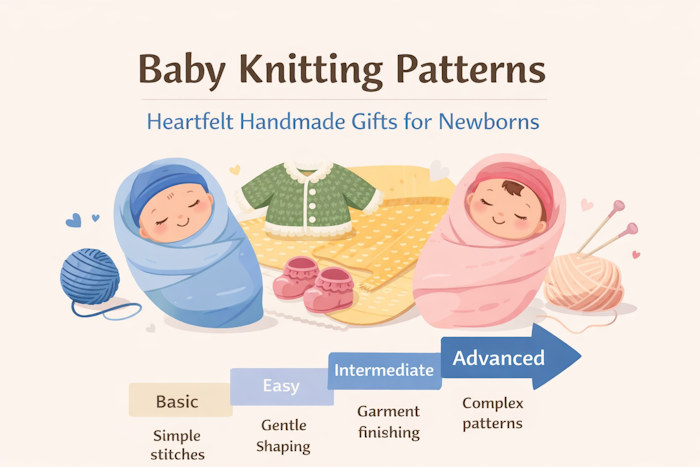
What Makes a Good Knitted Gift for a New Baby?
A good knitted gift for a newborn balances comfort, practicality, and care. While it’s tempting to choose the cutest or most intricate pattern, new parents usually appreciate items that are easy to use, easy to wash, and gentle on sensitive skin.
When deciding what to knit for a baby, keep these qualities in mind:
- Softness first – Babies have delicate skin, so smooth, non-scratchy yarns matter more than texture or stitch complexity.
- Washability – New parents don’t have time for hand-washing. Machine-washable yarns are a gift in themselves.
- Safety – Avoid small buttons, long ties, or loose embellishments that could pose a risk.
- Everyday usefulness – Items that get daily use (blankets, hats) are often more appreciated than decorative pieces.
- Seasonal practicality – A wool hat for a summer baby may never be worn, no matter how lovely it is.
The best baby knitting gifts are the ones that quietly make life easier while still carrying the warmth and thoughtfulness of something handmade.
How to Choose the Best Baby Knitting Gift (A Simple Decision Guide)
If you’re unsure what to make, this quick decision guide can help you narrow it down based on time, skill level, and usefulness. If you’re still undecided, choose the item that best matches your confidence level; relaxed knitting almost always leads to a better finished gift.
| If you have… | And you want… | A great option is… | Why it works |
|---|---|---|---|
| Limited time | A reliable, loved gift | Baby blanket | One size fits all, useful from day one |
| Beginner skills | Low-stress knitting | Simple hat | Fast, forgiving, and practical |
| Moderate skills | A standout handmade gift | Baby sweater | Meaningful, wearable, and memorable |
| Leftover yarn | A small, thoughtful item | Booties | Great add-on gift, quick to knit |
| Unsure of sizing | Zero fit worries | Blanket or toy | No growth concerns |
Popular Baby Knitting Gifts (And When to Choose Each)
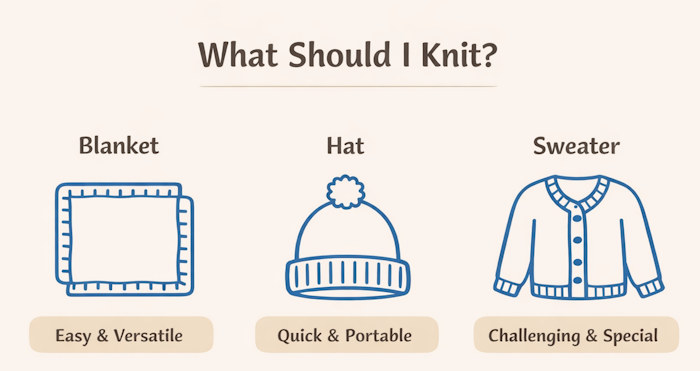
Baby Blankets
Baby blankets are one of the most popular knitted gifts — and for good reason. They don’t require precise sizing, work well with simple stitches, and can be used in cribs, strollers, and tummy time. A soft, washable yarn and a smooth stitch pattern make this a gift parents reach for daily.
Best for: First-time baby gifts, beginners, and year-round use.
Baby Hats
Hats are quick to knit and especially appreciated for fall- and winter-babies. They’re ideal when you want a fast project with a personal touch. Stick to stretchy, comfortable ribbing and avoid tight fits.
Best for: Last-minute gifts and beginner knitters.
Baby Sweaters
A hand-knit baby sweater is a profoundly meaningful gift, especially for close friends or family. While sweaters require more planning (gauge, sizing, shaping), they often become keepsakes even if the baby outgrows them quickly.
Best for: Confident knitters and special occasions.
Baby Booties
Booties are adorable, but they’re best treated as bonus gifts rather than standalone items. Babies outgrow them quickly, and they’re often worn only briefly. They shine when paired with a blanket or sweater.
Best for: Small projects, leftover yarn, or gift sets.
Popular (and Slightly Unusual) Baby Knitting Projects to Consider
If you want your handmade gift to stand out without becoming impractical, consider one of these less common baby knitting projects. These items are often deeply appreciated because they solve everyday needs while still feeling special and thoughtful.
Baby Cardigans
Unlike pull-over sweaters, cardigans are easy to put on and take off — a big advantage when dressing a newborn. They work well as layering pieces and are often used more frequently than traditional baby sweaters.
Why they’re loved: Practical for parents, flexible for temperature changes, and less stressful to dress a baby.
Sleep Sacks and Cocoons
Knitted baby sleep sacks (sometimes called cocoons) are cozy, wearable blankets designed for supervised rest or photos. When made with breathable, washable yarns, they’re both adorable and functional.
Why they’re loved: Combines warmth and simplicity without worrying about sizing arms or legs. As a gift, they are appreciated because blankets may not be safe for neonates.
Tip: Keep designs simple and avoid tight closures or decorative elements.
Loveys (Small Blanket + Toy Combos)
A knitted lovey, part small blanket, part comfort object, can become a cherished item as a baby grows. These are usually flat, soft, and easy for little hands to grasp. Since they are likely to be mouthed or chewed, yarn selection is critical.
Why they’re loved: Emotional comfort, lightweight, and easy to wash.
Stroller or Car Seat Blankets
Smaller than crib blankets, stroller blankets are handy for outings. They’re easier to manage, travel well, and get frequent use during walks and errands.
Why they’re loved: Practical size, year-round usefulness, and no safety concerns.
Rompers and One-Piece Knits
For more confident knitters, baby rompers or all-in-one garments can make memorable gifts. These require careful sizing and soft yarn choices, but often become keepsakes.
Why they’re loved: Unique, photo-worthy, and deeply personal, best for close friends or family.
When Choosing an Unusual Baby Knitting Project
If you’re considering something outside the “usual” baby knits, ask yourself:
- Will this be easy for a parent to use?
- Is it comfortable and safe for a baby?
- Can it be washed without special care?
- Does it suit the season the baby will be born?
If the answer is yes, you’ve likely found a gift that feels both creative and thoughtful.
Choosing Yarn for a Knitted Baby Gift
The yarn you choose matters just as much as the pattern.
For baby gifts, look for yarns that are:
- Soft and smooth (no scratchy fibers)
- Machine washable and durable
- Light to medium weight for flexibility (if working from a pattern, follow the pattern's recommendations)
- Free of heavy texture that could irritate skin
Avoid novelty yarns, variegated yarns, stiff cottons, or fibers that require special care unless you know the parents prefer them.
When in doubt, easy care beats luxury, especially for newborn items that will be washed often.
Best Baby Knitting Gifts by Season
Choosing a baby knitting gift that matches the season the baby will be born makes a huge difference in how often it’s used. Babies grow quickly, so an item that’s perfect for the weather right now is far more likely to be worn, washed, and loved.
Below is a simple, practical guide to help you match your project to the season — without overthinking it.
Spring Baby Knitting Gifts
Spring babies often experience fluctuating temperatures. Spring is all about layering. A soft cardigan or light blanket is ideal for stroller walks and cooler mornings without overheating the baby.
Best choices:
- Lightweight blankets
- Cardigans or wrap-style sweaters
- Hats made with breathable yarns
Yarn tip: Look for smooth cotton blends or lightweight superwash wool.
Summer Baby Knitting Gifts
Summer babies need breathable, minimal layers. Avoid heavy garments for summer babies. Focus on lightweight, breathable pieces that won’t trap heat. Smaller blankets and simple accessories tend to get the most use.
- Best choices:
- Cotton or bamboo blankets
- Lightweight hats for sun protection
- Simple rompers or vests
Yarn tip: Choose plant-based fibers or blends that wash well and stay cool.
Fall Baby Knitting Gifts
Fall is one of the most flexible seasons for baby knits. Fall babies benefit from versatile knits that can be layered as temperatures change. A slightly larger size is often a wise choice, since items may be worn into early winter.
Best choices:
- Cardigans
- Sweaters are sized slightly up
- Stroller blankets
- Hats
Yarn tip: Light to medium-weight wool blends work well here, especially if they are machine-washable
Winter Baby Knitting Gifts
Winter babies need warmth, but not bulk. Winter gifts should focus on warmth and comfort, especially for outings. Choose patterns that provide insulation without stiffness or heavy texture.
Best choices:
- Warm hats
- Cozy blankets
- Sweaters or sleep sacks
Yarn tip: Soft, machine-washable wool or acrylic blends are practical and parent-friendly.
A season-appropriate baby knit shows thoughtfulness beyond the pattern itself — and it’s one of the easiest ways to make sure your handmade gift becomes part of a family’s everyday routine, not just a keepsake.
What Skill Level Do You Really Need for Baby Knits?
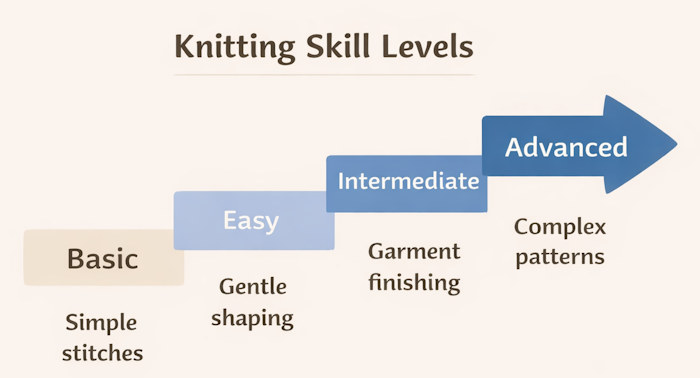
One of the most common worries when knitting a gift for a baby is whether your skills are “good enough.” The truth is, many of the best baby knitting gifts use very basic techniques. What matters most is choosing a project that matches your comfort level and time.
Many well-written knitting patterns use the standardized skill levels defined by the Craft Yarn Council. These four levels help knitters quickly understand what techniques a pattern requires, and whether it’s a good match for their experience.
When you’re knitting a gift for a baby, understanding these levels can save you time, reduce frustration, and help you choose a project you’ll actually enjoy finishing.
Below is how the Craft Yarn Council’s skill levels translate specifically to baby knitting projects.
Level 1: Basic
What this level means: Patterns at this level use only the most basic knitting skills, with minimal shaping and very simple instructions.
Typical skills include:
- Casting on and binding off
- Knit and purl stitches
- Simple stitch repeats
- Straightforward construction
Best baby projects at this level:
- Baby blankets
- Stroller blankets
- Simple hats worked flat
These projects are ideal if you’re newer to knitting or want a low-pressure gift you can knit calmly and confidently.
Level 2: Easy
What this level means: Easy-level patterns introduce gentle shaping and basic pattern reading, but remain very approachable.
Typical skills include:
- Basic increases and decreases
- Simple ribbing or texture stitches
- Working in the round (optional)
- Following written instructions or simple charts
Best baby projects at this level:
- Baby hats in the round
- Simple baby sweaters or cardigans
- Booties with basic construction
This level is perfect for knitters who know the basics and are ready to make something wearable and practical.
Level 3: Intermediate
What this level means: Intermediate patterns require more attention to construction and finishing, but don’t rely on advanced techniques.
Typical skills include:
- Shaping armholes, necklines, or yokes
- Picking up stitches
- More complex stitch patterns
- Seaming or garment assembly
- Reading charts alongside written instructions
Best baby projects at this level:
- Baby sweaters with raglan or yoke shaping
- Sleep sacks or rompers
- Coordinated baby gift sets
These projects often become keepsake gifts, especially when knitted for close friends or family.
Level 4: Advanced
What this level means: Advanced patterns assume strong technical skills and comfort with complex construction.
Typical skills include:
- Complex stitch patterns or colorwork
- Precise shaping and sizing
- Detailed finishing techniques
Best advice for baby gifts at this level: While advanced patterns can be beautiful, they’re often not necessary for baby knitting gifts. Babies outgrow items quickly, and parents usually value softness, fit, and ease of care over intricate design.
If you choose an advanced pattern, make sure it’s because you enjoy the challenge, and not because you feel pressure to impress.
Choosing the Right Skill Level for a Baby Gift
When knitting for a baby, the best project is one that matches both the pattern’s skill level and your available time. A Level 1 or Level 2 project, finished neatly with thoughtful yarn choices, is often more appreciated than a complex piece rushed to meet a deadline.
In baby knitting, clarity, comfort, and care matter more than complexity.
| CYC Skill Level | What it usually includes | Great baby projects | Best for |
|---|---|---|---|
| Level 1: Beginner |
|
|
First baby gift, low-stress knitting, quick wins |
| Level 2: Easy |
|
|
Confident beginners ready for wearable items |
| Level 3: Intermediate |
|
|
Knitters comfortable reading patterns and finishing garments |
| Level 4: Advanced |
|
|
Experienced knitters who enjoy a challenge (not ideal for rushed gifts) |
Choosing a project that matches your skill level helps ensure a smoother knitting experience, but when you’re making something for a newborn, skill isn’t the only consideration.
No matter how simple or advanced the pattern is, baby knits have a few extra requirements that don’t apply to adult projects. Factors such as yarn choice, fit, and finishing details are essential to ensuring a knitted gift is both comfortable and safe for everyday use.
In the next section, we’ll look at a few key safety considerations to keep in mind when knitting for newborns, so your handmade gift can be enjoyed with confidence by both baby and parents.
Safety Considerations When Knitting for Newborns
When knitting for a newborn, safety always comes before appearance or technique. Babies experience the world through touch and movement, and even well-intentioned design details can become uncomfortable or unsafe if they aren’t chosen carefully.
The good news is that safe baby knitting is mostly about simplicity. A few mindful choices will ensure your handmade gift is both beautiful and parent-approved.
Yarn Choices
Choose Soft, Baby-Friendly Yarn: Yarn selection is one of the most important safety decisions you’ll make.
Look for yarns that are:
- Soft and smooth against sensitive skin
- Machine washable and durable
- Free of heavy texture or scratchy fibers
Avoid yarns that are:
- Rough, fuzzy, or stiff
- Highly textured or novelty styles
- Labeled “hand wash only,” unless you know the parents prefer it
A yarn that feels good in your hands will usually feel good on a baby, too.
Avoid Small Parts and Embellishments
Decorative details can pose a risk for newborns.
Skip or minimize:
- Buttons
- Beads
- Tassels
- Long ties or cords
Even securely attached embellishments can loosen over time. If decoration is essential, use color, stitch texture, or simple embroidery instead of add-ons.
Keep Fit Comfortable, Not Tight
Baby items should allow free movement and easy dressing.
Keep in mind:
- Hats should stretch comfortably without squeezing
- Neck openings should be generous and flexible
- Garments should allow room for layers and growth
- A slightly roomy fit is safer — and more practical — than a snug one.
Focus on Smooth Finishing
Finishing details often matter more than stitch patterns when it comes to comfort.
Pay extra attention to:
- Securing yarn ends thoroughly
- Keeping seams smooth and flat
- Avoiding bulky joins or knots
Anything that rubs, scratches, or pokes can make a garment uncomfortable for a baby and less likely to be used.
Breathability Matters
Overheating can be a concern for newborns, especially with layered clothing.
Safer choices include:
- Lightweight to medium-weight yarns
- Simple stitch patterns with some airflow
- Layering pieces rather than bulky garments
This is especially important for sleep-related items and accessories worn close to the face.
Common Mistakes to Avoid When Knitting for a New Baby
Even experienced knitters make these mistakes when gifting baby knits:
- Choosing a pattern that’s too complex for the timeline
- Using delicate yarn that requires hand-washing
- Adding buttons, ties, or embellishments that could pose a choking hazard
- Knitting items that don’t match the baby’s season
- Stressing too much about perfection
Remember: a thoughtfully chosen, well-finished, simple project will always be more appreciated than an overly ambitious one.
Frequently Asked Questions About Knitting Baby Gifts
What is the easiest thing to knit for a baby?
What is the easiest thing to knit for a baby?
The easiest baby knitting gift is usually a baby blanket or a simple hat. These projects use basic stitches, don’t require precise sizing, and are forgiving if your tension isn’t perfect. They’re also practical gifts that parents use often.
How much yarn do I need for a baby knitting project?
How much yarn do I need for a baby knitting project?
The amount of yarn depends on the project, but as a general guide:
Baby blanket: 1–2 skeins (depending on size and yarn weight)
Hat or booties: Less than one skein
Baby sweater or cardigan: 1–3 skeins
Always check the pattern’s yardage and consider buying a little extra to ensure dye-lot consistency.
Are handmade baby gifts safe?
Are handmade baby gifts safe?
Yes, when made thoughtfully. Safe baby knitting gifts use soft, washable yarns, avoid small parts or long ties, and are finished smoothly. Simple designs are often safer than decorative ones, especially for newborns.
Should I size baby knits up?
Should I size baby knits up?
Sizing up is often a wise choice. Babies grow quickly, and a slightly larger garment may be worn longer. For items like sweaters or cardigans, choosing the next size up can help ensure the gift is used rather than outgrown immediately.
Is it better to knit clothing or accessories for a baby gift?
Is it better to knit clothing or accessories for a baby gift?
Both can be excellent gifts. Accessories like blankets and hats are low-risk and widely useful, while clothing feels more personal and meaningful. The best choice depends on your skill level, available time, and how well you know the parents’ preferences.
Conclusion: Choosing a Baby Knitting Gift With Confidence
Knitting for a new baby is a thoughtful way to welcome a growing family, and the best gifts don’t need to be complicated to be meaningful. When you focus on comfort, practicality, and safety, even the simplest project can become something deeply appreciated.
By considering factors like season, skill level, yarn choice, and how the item will be used day to day, you can choose a baby knitting pattern that fits both your abilities and the family’s needs. Whether you knit a cozy blanket, a tiny sweater, or a practical accessory, your time and care are what make the gift special.
In baby knitting, thoughtful choices matter more than fancy stitches, and a well-loved handmade gift is always a success. Happy Knitting!
Disclosure:
This post contains affiliate links. If you buy through them, I may earn a small commission at no extra cost to you.

Janice Jones is a Certified Knitting and Crochet Instructor who creates beginner-friendly patterns and tutorials, backed by a 389-page library of practical knitting and crochet content.
Most Popular Pages
Comprehensive Guide to Yarn

All Types of Crochet Stitches
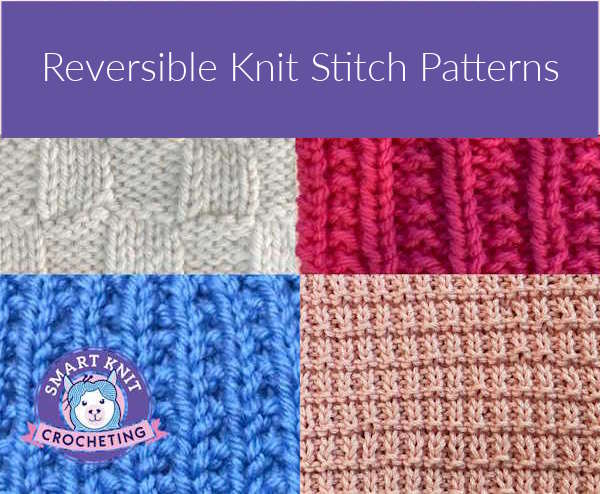
36 Reversible Knit Stitch Glossary
How to Crochet the Second Row
Dog Sweater Patterns
Working with Alpaca Yarn
Free eBooks, Just for You
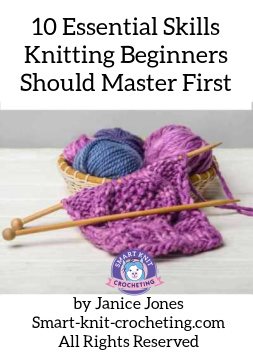
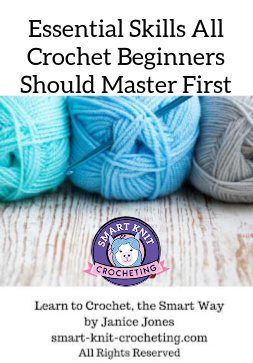
Get my beginner eBook guides to Knitting and Crocheting, just for signing up for my monthly newsletter.
Choose one or both when you sign up.
About the Author: Please allow me to introduce myself
Janice Jones is a Certified Knitting Instructor and Certified Crochet Instructor through the Craft Yarn Council who focuses on beginner-friendly patterns, stitch guides, and technique tutorials. She has built a library of 389 pages on her website, sharing practical instructions and patterns, and has completed projects ranging from crochet blankets to knit sweaters. You can explore her work on her website. She makes items for Warm Up America and often knits and crochets sweaters for her small dogs.
Thank you for visiting Smart-Knit-Crocheting. I hope this and all of my tutorials will give you the inspiration to continue your knit or crochet journey. For a complete list of all the pages on my site, please visit my table of contents.
I participant in the Amazon Services LLC Associates Program, an affiliate advertising program designed to provide a means for sites to earn advertising fees by advertising and linking to Amazon.com. “As an Amazon Associate I earn from qualifying purchases.” These earnings go towards supporting my website.
Home | Contact | About | Privacy Policy | Disclaimer
I DO NOT SELL ANY PERSONAL INFORMATION FROM THIS WEBSITE. PLEASE SEE MY PRIVACY POLICY FOR MORE DETAILS.
Copyright © 2006-2026 Smart Knit Crocheting. All Rights Reserved
Please Share
Remember, Sharing is Caring