- Home
- Types of Knit Stitches
- Knit and Purl Stitches
- Little Pyramids Knit Stitch
Little Pyramid Knit Stitch: Beginner Tutorial
By Janice Jones, Certified Knitting and Crochet Instructor (CYC), Last Updated May 17, 2026
The little pyramid knit stitch is a textured knitting pattern that creates small, raised pyramid-shaped bumps across the fabric. This stitch is worked using a simple combination of knit and purl stitches, making it accessible to adventurous beginners while still interesting enough for experienced knitters.
Because the pyramids are small and evenly spaced, this stitch adds subtle texture without overwhelming the fabric. It works exceptionally well for scarves, baby blankets, dishcloths, and other projects that call for visual interest paired with a soft, flexible fabric.
If you’re building a stitch library or looking for a textured pattern that’s easy to memorize, the little pyramid knit stitch is an excellent addition to your knitting toolbox.
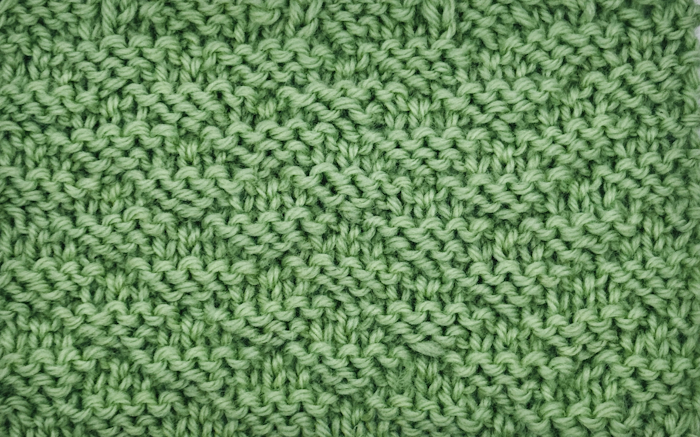 Little Pyramids Knit Stitch Pattern
Little Pyramid Knit Stitch: At a Glance
- Skill Level: Advanced Beginner
- Stitch multiple required (example: multiple of 6 plus 5)
- Pattern repeat: 6 rows
- Fabric characteristics: Textured and moderately stretchy, lies flat
- Reversible (attractive on both sides)
- Worked with Knit and Purl Stitches only
Skills Needed to Knit this Stitch Pattern
- How to Cast On
- How to make the Knit Stitch
- How to make the purl stitch
- How to bind off
- How to weave in ends
- How to block your knitting
Little Pyramid Knit Stitch Pattern Directions
Abbreviations
k – knit
p – purl
RS - right side
WS - wrong side
Rep - repeat
CO - Cast on
* * Work the instructions between the two asterisks the number of times indicated on the pattern
Written Instructions for Working Flat on Straight Needles
Cast on a multiple of 6 stitches plus 5 additional stitches.
Row 1 (RS): K5, * p1, k5; rep
from * to end.
Row 2: K1, * p3, k3; rep from * to last 4 stitches, p3, k1.
Row 3: P2, * k1, p5; rep from * to last 3 stitches, k1, p2.
Row 4: P2, * k1, p5; rep from * to last 3 stitches, k1, p2.
Row 5: K1, * p3, k3; rep from * to last 4 stitches, p3, k1.
Row 6: K5, * p1, k5; rep from * to end.
Repeat Rows 1–6 for the pattern.
Little Pyramids Knit Stitch Working Flat in Chart Form
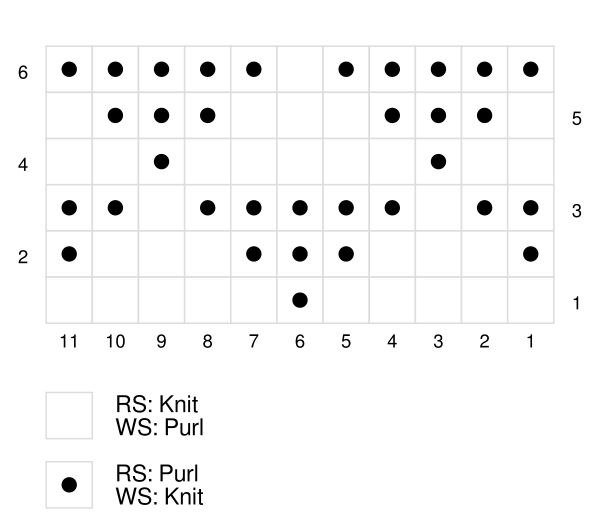 Little Pyramids Knit Stitch Pattern
Written Instructions for Working in the Round
When working the Little Pyramid Knit Stitch in the round, the edge stitches used in the flat version are removed. The pattern becomes a simple 6-stitch, 6-round repeat.
CO a multiple of 6 stitches.
Round 1: *K5, p1; rep from * to end of round.
Round 2: *K3, p3; rep from * to end of round.
Round 3: *P2, k2, p2; rep from * to end of round.
Round 4: *P2, k2, p2; rep from * to end of round.
Round 5: *K3, p3; rep from * to end of round.
Round 6: *K5, p1; rep from * to end of round
Repeat Rounds 1–6 for the pattern.
Best Projects for the Little Pyramid Knit Stitch
This pattern is reversible, so it is perfect for projects where both sides will show. I think this geometric pattern would make a great choice for a man's knit scarf or cowl. Consider the Little Pyramid Knit Stitch for projects such as:
- Scarves
- Cowls
- Baby blankets
- Knit washcloths
- Pillow covers
Troubleshooting
My Pyramid Shapes Don’t Look Defined
This usually happens when the knit and purl sections are not clearly defined. This is not a problem unique to this stitch pattern, but happens when knit stitches precede purl stitches in a row. Yarn must travel a longer distance when transitioning from knit to purl stitches, so the knit stitch may look larger. If this is your issue, don't worry, you are not alone. To counteract this, try tightening the purl stitch following the last knit stitch by giving a little tug.
Other options include using a smoother, lighter-colored yarn with better stitch definition. Dark, fuzzy, or highly variegated yarns can make the textured pyramid shapes difficult to see.
Blocking your finished swatch can also help the texture open up and become more visible.
I Keep Losing Track of the Pattern Repeat
The Little Pyramid Knit Stitch becomes much easier once you recognize that Rows 1 and 6 match, Rows 2 and 5 match, and Rows 3 and 4 match.
Many knitters find it helpful to think of the pattern as three mirrored pairs instead of six completely separate rows.
Using stitch markers between repeats can also help you catch mistakes earlier.
My Fabric Looks Too Tight or Stiff
This stitch pattern creates dense texture, so tight knitters may notice that the fabric feels firmer than expected.
If your swatch feels stiff, try going up one needle size. This often helps the pyramid texture relax and become more defined.
If you do notice that you are grasping the needles and yarn too tightly, you probably are knitting too tightly. This is a problem for a couple of reasons. First, you will find your hands and wrists fatigued after just a short knitting session. That's not good for you. Secondly, knitting becomes harder because the stitches on the needles are difficult to work. Try to relax your tension by becoming aware of your body. If your body is tense, there's a good chance your hands will be too.
I Accidentally Shifted the Pattern
This can happen if you miss a knit or purl stitch within a repeat.
Because the pattern relies on the alignment of the textured sections, even one misplaced stitch can throw off the pyramid shapes several rows later.
If you notice the mistake early, you may be able to fix it by carefully dropping down only the affected stitches instead of ripping back the entire row. However, if you are way off, you may need to unknit, remove the rows where the issue occurred, and reknit them. Don't get discouraged, though; even the most experienced end up doing this from time to time.
Frequently Asked Questions
Is the little pyramid knit stitch beginner-friendly?
Is the little pyramid knit stitch beginner-friendly?
Yes. The little pyramid knit stitch is suitable for confident beginners who already know how to knit and purl. While the texture looks complex, the pattern is made entirely of basic stitches worked in a repeating sequence.
Why does the flat version use a multiple of 6 plus 5 stitches?
Why does the flat version use a multiple of 6 plus 5 stitches?
When worked flat, the extra 5 stitches act as edge padding. They balance the pattern so the pyramid shapes are centered and complete on both sides of the fabric. These edge stitches are only needed for flat knitting.
Why is the stitch multiple different when working in the round?
Why is the stitch multiple different when working in the round?
When knitting in the round, there are no edges, so the extra stitches are removed.
The little pyramid knit stitch becomes a simple multiple of 6 stitches, and each round repeats evenly, with no partial pattern sections.
Does the little pyramid knit stitch use more yarn?
Does the little pyramid knit stitch use more yarn?
Yes, slightly. Textured stitches like the little pyramid knit stitch use more yarn than stockinette stitch, but less than heavily cabled or bobbled patterns.
What yarn works best for this stitch?
What yarn works best for this stitch?
Smooth, light-colored yarns show the pyramid texture best.
Avoid fuzzy or highly variegated yarns, as they can hide stitch definition.
Little Pyramids Pin for Future Reference

Last Words
The little pyramid knit stitch is an excellent way to add texture and visual interest to your knitting without moving beyond basic knit and purl stitches. Its small, raised pyramid shapes create a fabric that feels structured yet flexible, making it suitable for both decorative and practical projects.
Whether you work this stitch flat or in the round, the repeating pattern is easy to memorize and rewarding to knit. Once you understand how the stitch repeat works—and why the stitch count changes between flat knitting and circular knitting—you’ll find this pattern relaxing and intuitive.
If you enjoy textured stitches like this one, consider exploring other knit-and-purl patterns in your stitch library. The little pyramid knit stitch pairs beautifully with simple borders and works especially well in scarves, cowls, and baby items where subtle texture really shines.
Happy knitting—and don’t forget to save this stitch for your next project! 🧶
Disclosure:
This post contains affiliate links. If you buy through them, I may earn a small commission at no extra cost to you.

Janice Jones is a Certified Knitting and Crochet Instructor who creates beginner-friendly patterns and tutorials, backed by a 389-page library of practical knitting and crochet content.
Most Popular Pages
Comprehensive Guide to Yarn

All Types of Crochet Stitches
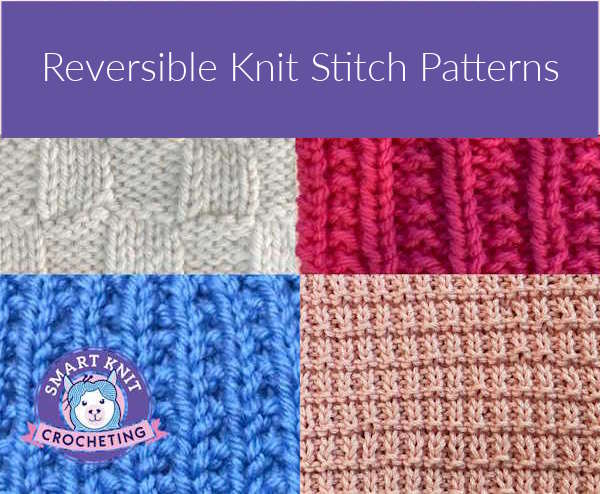
36 Reversible Knit Stitch Glossary
How to Crochet the Second Row
Dog Sweater Patterns

Working with Alpaca Yarn
Free eBooks, Just for You
Get my beginner eBook guides to Knitting and Crocheting, just for signing up for my monthly newsletter.
Choose one or both when you sign up.
About the Author: Please allow me to introduce myself

Janice Jones is a Certified Knitting Instructor and Certified Crochet Instructor through the Craft Yarn Council who focuses on beginner-friendly patterns, stitch guides, and technique tutorials. She has built a library of 389 pages on her website, sharing practical instructions and patterns, and has completed projects ranging from crochet blankets to knit sweaters. You can explore her work on her website. She makes items for Warm Up America and often knits and crochets sweaters for her small dogs.
Thank you for visiting Smart-Knit-Crocheting. I hope this and all of my tutorials will give you the inspiration to continue your knit or crochet journey. For a complete list of all the pages on my site, please visit my table of contents.
I participant in the Amazon Services LLC Associates Program, an affiliate advertising program designed to provide a means for sites to earn advertising fees by advertising and linking to Amazon.com. “As an Amazon Associate I earn from qualifying purchases.” These earnings go towards supporting my website.
Home | Contact | About | Privacy Policy | Disclaimer
I DO NOT SELL ANY PERSONAL INFORMATION FROM THIS WEBSITE. PLEASE SEE MY PRIVACY POLICY FOR MORE DETAILS.
Copyright © 2006-2026 Smart Knit Crocheting. All Rights Reserved
Please Share
Remember, Sharing is Caring