- Home
- Baby Sweater
- How to Wash Baby Sweaters
How to Wash Baby Sweaters & Handmade Baby Clothes
by Janice Jones, Updated January 29, 2026
Handmade baby sweaters are special and require gentler care than most store-bought baby clothes. Whether a sweater is knitted or crocheted, the way it’s washed can affect its shape, softness, and lifespan.
This guide explains how to wash baby sweaters safely, with clear instructions based on fiber type, washing method, and real-world baby use. While the focus is on baby sweaters, the same care principles apply to other handmade baby clothes, including hats, booties, cardigans, and blankets.
If you’re new to making baby sweaters, our complete baby sweater guide explains how yarn choice, construction, and finishing techniques affect washing and long-term care.
Always Check the Fiber First
The most important factor in washing a baby sweater is fiber content, not whether it’s knitted or crocheted. If you are the maker, this information will be on the yarn label
Different fibers react very differently to:
- Water temperature
- Agitation
- Detergents
- Heat during drying
Because baby clothes are washed more often than adult garments, choosing the right washing method helps prevent shrinking, felting, stretching, or pilling.
Before washing any handmade baby sweater:
- Check the yarn label. If you are a knitter or crocheter, and gifting a sweater, provide this information to the recipient.
- Identify whether the fiber is animal-based, plant-based, or synthetic
- When in doubt, choose the gentlest method
How to Wash Knitted and Crocheted Baby Sweaters Safely
This table provides general washing guidelines for common yarn fibers used in baby sweaters and handmade baby clothes.
| Fiber Type | Washing Method | Water Temperature | Drying Method | Special Notes |
|---|---|---|---|---|
| Non-Superwash Wool | Hand wash only | Lukewarm | Lay flat to dry | Avoid agitation and temperature changes to prevent felting. |
| Superwash Wool | Hand wash or gentle machine | Cold | Lay flat to dry | May stretch when wet; reshaping is important. |
| Cotton | Hand wash or gentle machine | Cold or cool | Lay flat preferred | Can stretch when wet; heavier after washing. |
| Acrylic | Gentle machine or hand wash | Cold | Lay flat or low heat* | Heat can permanently damage fibers (*only if label allows). |
| Wool Blends | Hand wash recommended | Cold or lukewarm | Lay flat to dry | Wash according to the most delicate fiber in the blend. |
| Bamboo / Plant Fibers | Hand wash preferred | Cold | Lay flat to dry | Soft but prone to stretching when wet. |
Hand Washing (Best for Most Baby Sweaters)
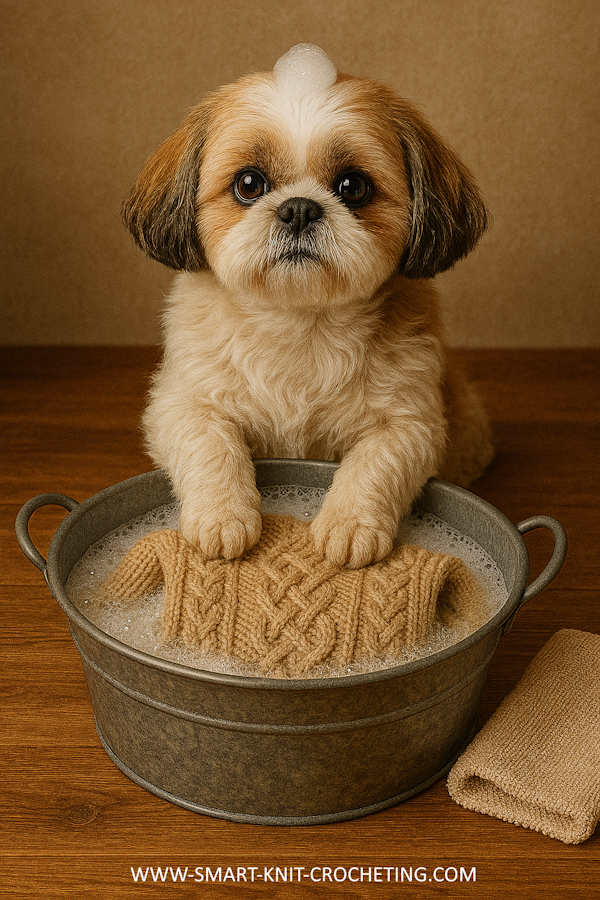
Hand washing is the safest option for most handmade baby clothes, especially those made with wool or delicate blends.
Step-by-step hand washing
- Fill a basin with lukewarm water
- Add a small amount of gentle, fragrance-free detergent
- Submerge the sweater and gently press the water through — do not rub or twist
- Let soak for 10–15 minutes
- Rinse with water at the same temperature
- Press out excess water (never wring)
This method minimizes stress on the fibers and helps preserve stitch definition.
Machine Washing (Only When the Fiber Allows)
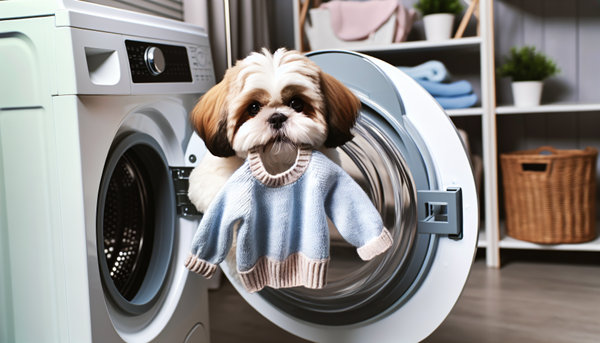
Some baby sweaters can be machine-washed, but only when the fiber is specifically designed for it.
Machine washing may be acceptable for:
- Superwash wool
- Cotton
- Acrylic
- Durable blends
Machine washing tips
- Use a mesh laundry bag
- Select a gentle or delicate cycle
- Use cold water
- Avoid spinning at high speed
If a yarn label says “hand wash recommended,” machine washing still carries risk.
Washing Baby Sweaters by Fiber Type
As the knitter or crocheter of a baby sweater or other handmade baby item, you are responsible for providing washing instructions. I'll address this task later in this article.
Wool (Superwash vs Non-Superwash)
Non-superwash wool
- Always hand-wash
- Lukewarm water only
- Minimal agitation
- Never place in the dryer
Learn more about non-superwash wool
Superwash wool
- Often machine washable
- Use cold water and a gentle cycle
- Lay flat to dry to prevent stretching
Even superwash wool benefits from gentler handling when used for baby clothes. Learn more about superwash wool.
Cotton
Cotton is durable and easy to care for, but it can stretch when wet.
- Machine washable on a gentle cycle
- Cold or cool water
- Lay flat to dry to maintain shape
- Cotton baby sweaters may feel heavier after washing — this is normal. Learn more about cotton yarn.
Acrylic
Acrylic is fully synthetic and easy to wash, but sensitive to heat.
- Machine washable on a gentle cycle
- Cold water only
- Never use high heat in the dryer
- Heat can permanently damage acrylic fibers. More about acrylic yarn.
Blends
Blended yarns should be washed according to the most delicate fiber in the blend.
For example:
- Wool-cotton blends → treat as wool
- Wool-acrylic blends → avoid heat and agitation
When unsure, hand washing is safest.
Bamboo and Other Plant Fibers
These fibers are soft and breathable, but can stretch.
- Hand wash preferred
- Cold or lukewarm water
- Lay flat and reshape carefully
Learn more about bamboo yarn
Baby-Specific Washing Considerations
Babies have sensitive skin, and handmade garments often come into direct contact with it.
When washing baby sweaters:
- Use fragrance-free, dye-free detergent
- Avoid fabric softeners
- Rinse thoroughly to remove residue
- Consider an extra rinse cycle if machine washing
Gentler detergents protect both the garment and the baby wearing it.
How Often Should You Wash Baby Sweaters?
Baby sweaters do not need to be washed after every wear unless visibly soiled.
Good care habits:
- Spot clean small messes
- Air out sweaters between wears
- Wash only when needed
Over-washing can shorten the life of handmade garments, especially those made with wool.
How to Dry Baby Sweaters Without Ruining Them
Drying is just as important as washing.
Best drying method
- Lay the sweater flat on a clean towel
- Roll the towel and press gently to remove excess water
- Unroll and reshape the sweater
- Lay flat on a dry surface away from heat
Never hang wet baby sweaters, as this can stretch the garment out of shape.
Avoid dryers unless the yarn label explicitly allows it.
| Product Type | Best For | Fiber Compatibility | Why It Works Well |
|---|---|---|---|
| Gentle Baby Laundry Detergent | Everyday washing | Cotton, acrylic, blends | Fragrance-free formulas are gentle on baby skin and suitable for frequent washing. |
| Free & Clear Detergent | Sensitive skin | Most fibers | No dyes or perfumes; rinses clean with minimal residue. |
| Wool & Delicates Wash | Handmade sweaters | Wool, wool blends, bamboo | Low-agitation formulas help preserve fiber structure and softness. |
| No-Rinse Wool Wash | Hand washing wool | Wool, alpaca, delicate blends | Designed for knitwear; gentle and convenient for hand-washed baby items. |
Common Washing Mistakes That Ruin Baby Sweaters
Avoid these frequent problems:
- Hot water
- Sudden temperature changes
- Wringing or twisting
- Fabric softener
- Dryer heat
- Washing with heavy items like towels or jeans
Most damage happens quickly and is difficult to reverse.
Care Tips When Gifting a Baby Sweater
If you’re gifting a handmade baby sweater, include simple care instructions.
Helpful gift tips:
- Mention fiber type
- Recommend hand washing or gentle machine washing
- Suggest laying flat to dry
Many parents are unfamiliar with caring for handmade items — a short note helps ensure the sweater is worn and enjoyed.
What If Your Yarn Label Is Missing or Incomplete?
Not all yarn comes with full care instructions. Yarn purchased from discount marketplaces, overseas sellers, secondhand sources, or unlabeled bundles may lack important details such as fiber content, washing method, or dye stability.
This does not mean the yarn can’t be used; it simply means you need to take extra precautions.
Why Missing Yarn Labels Matter
Yarn labels normally provide:
- Fiber content
- Washing and drying instructions
- Heat tolerance
- Dye information
Without this information, washing a finished baby sweater incorrectly can lead to:
- Shrinking or felting
- Color bleeding
- Loss of softness
- Permanent damage
Because baby sweaters are washed more frequently, unknown yarns carry a higher risk.
What to Do When You Don’t Know the Fiber Content
1. Assume the Yarn Is Delicate
When in doubt, treat unknown yarn as if it were non-superwash wool.
That means:
- Hand wash only
- Lukewarm or cold water
- Minimal agitation
- Lay flat to dry
This conservative approach prevents the most common types of damage.
2. Test Before Washing the Finished Item
Always test before washing a completed baby sweater.
You can:
- Knit or crochet a small swatch
- Wash it using your planned method
- Let it dry completely
- Check for shrinkage, stiffness, or color bleed
This simple step can prevent irreversible mistakes.
3. Watch for Dye Bleeding
Lower-cost or unlabeled yarns may not be colorfast.
To test:
- Soak a small sample in cool water
- Press it gently between white towels
- Look for color transfer
If dye bleeds, wash the finished item separately and avoid soaking.
Special Caution for Baby Items
When the yarn label is missing, extra care is especially important for baby clothes.
You should:
- Use fragrance-free, gentle detergent
- Rinse thoroughly
- Avoid fabric softeners
- Avoid heat entirely
If you’re unsure about fiber safety or skin sensitivity, reserve unknown yarns for outer layers rather than garments worn directly against the baby’s skin.
When Using Unknown Yarn for Gifts
If you’re gifting a baby sweater made from unlabeled yarn:
- Include conservative care instructions
- Recommend hand washing and air drying
- Let the recipient know the fiber content is unknown
Clear communication helps ensure the sweater is cared for safely and worn with confidence.
When to Avoid Using Unknown Yarn Altogether
For baby sweaters, it may be best to avoid unlabeled yarn if:
- The yarn has a strong chemical odor
- The texture feels rough or plasticky
- You cannot test a swatch first
- The item will be worn directly against sensitive skin
Saving unknown yarns for toys, accessories, or decorative projects is often a safer choice.
Understanding Yarn Care Symbols on Labels
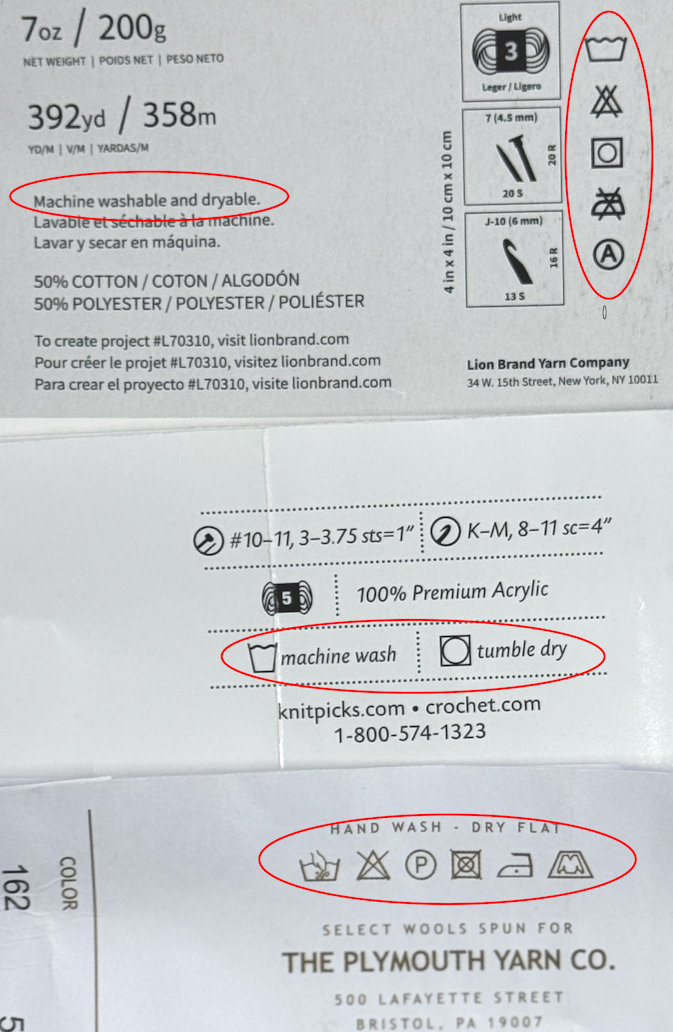
Many yarn labels include small laundry symbols developed by the Craft Yarn Council. These symbols provide quick guidance on washing, drying, bleaching, and ironing, especially when space on the label is limited.
If your yarn label is still available, these symbols can help confirm whether a baby sweater can be machine-washed, the safe heat settings, and whether special care is required. When the label is missing or unclear, it’s safest to follow conservative washing methods, such as handwashing and air-drying.
For a complete explanation of yarn care symbols, the Craft Yarn Council provides an official reference chart that explains each symbol and its meaning.
Frequently Asked Questions About Washing Baby Sweaters
Can baby sweaters go in the washing machine?
Some can, depending on the fiber. Always check yarn content and use a gentle cycle.
Is it safe to wash wool baby clothes?
Yes, when hand-washed gently with an appropriate detergent.
Do knitted and crocheted baby clothes need different care?
No — fiber type matters more than stitch method.
Final Thoughts
Washing baby sweaters safely doesn’t require complicated steps, just thoughtful handling and attention to fiber choice. With proper care, handmade baby clothes can remain soft, comfortable, and wearable long after the baby has outgrown them.
For more guidance on choosing yarns, sizing, and construction methods that affect long-term care, visit our complete baby sweater guide.
Care Information Disclaimer
This information is provided for general educational purposes only. Washing and care recommendations are based on typical fiber behavior and common garment care practices. Individual yarns, dyes, and baby skin sensitivities may vary. Always follow the yarn label instructions and, when possible, test washing methods on a small swatch or sample.
Disclosure:
This post contains affiliate links. If you buy through them, I may earn a small commission at no extra cost to you.

Janice Jones is a Certified Knitting and Crochet Instructor who creates beginner-friendly patterns and tutorials, backed by a 389-page library of practical knitting and crochet content.
Most Popular Pages
Comprehensive Guide to Yarn

All Types of Crochet Stitches
36 Reversible Knit Stitch Glossary
How to Crochet the Second Row
Dog Sweater Patterns
Working with Alpaca Yarn
Free eBooks, Just for You
Get my beginner eBook guides to Knitting and Crocheting, just for signing up for my monthly newsletter.
Choose one or both when you sign up.
About the Author: Please allow me to introduce myself
Janice Jones is a Certified Knitting Instructor and Certified Crochet Instructor through the Craft Yarn Council who focuses on beginner-friendly patterns, stitch guides, and technique tutorials. She has built a library of 389 pages on her website, sharing practical instructions and patterns, and has completed projects ranging from crochet blankets to knit sweaters. You can explore her work on her website. She makes items for Warm Up America and often knits and crochets sweaters for her small dogs.
Thank you for visiting Smart-Knit-Crocheting. I hope this and all of my tutorials will give you the inspiration to continue your knit or crochet journey. For a complete list of all the pages on my site, please visit my table of contents.
I participate in the Amazon Services LLC Associates Program, an affiliate advertising program designed to provide a means for sites to earn advertising fees by advertising and linking to Amazon.com. “As an Amazon Associate I earn from qualifying purchases.” These earnings go towards supporting my website.
Home | Contact | About | Privacy Policy | Disclaimer
I DO NOT SELL ANY PERSONAL INFORMATION FROM THIS WEBSITE. PLEASE SEE MY PRIVACY POLICY FOR MORE DETAILS.
Copyright © 2006-2026 Smart Knit Crocheting. All Rights Reserved
Please Share
Remember, Sharing is Caring