- Home
- Baby Sweater
- Is Wool Safe for Babies
Is Wool Safe for Babies
Wool has been used for baby clothing for generations, yet many parents and knitters still hesitate when choosing wool for baby sweaters. Concerns about scratchiness, overheating, or skin sensitivity are common and understandable.
The short answer is yes, wool can be safe for babies, but only when the right type of wool is chosen and used thoughtfully. Not all wool feels the same, and comfort depends on fiber softness, yarn quality, and how the finished garment is cared for.
This guide explains when wool works well for babies, when it may not, and how alternatives like baby alpaca and alpaca blends compare for baby sweaters.
If you’re choosing yarn for a handmade baby sweater, our complete baby sweater guide walks through fiber selection, construction, and care considerations in detail.
Why People Worry About Wool for Babies
Concerns about wool usually come from one of three places:
- Experiences with scratchy or stiff wool garments
- Worries about sensitive baby skin
- Confusion between different types of wool
Many people associate wool with irritation because they’ve encountered coarse wool, not because wool itself is unsafe. Modern yarns, especially those designed for babies, behave very differently from traditional rustic wool.
Not All Wool Is the Same
The word wool covers a wide range of fibers with very different characteristics.
What most people perceive as “itchy” comes down to fiber diameter, how thick each strand of wool is. Finer fibers bend more easily and feel softer against the skin, while coarser fibers can feel prickly.
This is why two yarns labeled “100% wool” can feel completely different when worn.
Types of Wool Commonly Used for Baby Sweaters
Merino Wool
Merino wool is one of the most popular choices for baby sweaters.
- Very fine fibers
- Soft against the skin
- Naturally temperature-regulating
Merino is often chosen specifically for baby garments because it is significantly softer than many traditional wools.
Superwash Wool
Superwash wool is treated to be machine-washed.
- Convenient for parents
- Softer after washing
- Slightly less elastic than untreated wool
While not all superwash wool is created equal, many baby sweater yarns use this treatment to make care easier.
Lambswool
Lambswool comes from a sheep’s first shearing.
- Softer than standard wool
- Slightly springy
- Often blended for added softness
Quality matters here — some lambswool is baby-appropriate, while lower-grade versions may still feel coarse.
Baby Alpaca and Alpaca: Gentle Alternatives to Wool
For knitters who want an even softer option, baby alpaca and alpaca blends are often considered.
Baby Alpaca
- Baby alpaca refers to the softest fibers from an alpaca, not yarn made for babies.
- Extremely soft
- Smooth fibers with no scales
- Lightweight and warm
Because alpaca lacks the tiny scales found on wool fibers, many people find it less irritating on sensitive skin.
Alpaca (Standard)
Standard alpaca is still softer than many sheep wools, though not as fine as baby alpaca.
- Warm and breathable
- Drapes beautifully
- Less elastic than wool
Alpaca works well for baby sweaters when blended with wool or used in simple designs that don’t rely heavily on stretch.
Can Wool or Alpaca Irritate Baby Skin?
Some babies may react to certain fibers, but irritation is not the same as an allergy.
Discomfort can be caused by:
- Coarse fiber texture
- Residual detergent or dye
- Poorly washed garments
- Overheating
This is why softness, washing, and finishing matter more than fiber name alone.
When trying wool or alpaca for the first time:
- Wash the garment before wearing
- Use fragrance-free detergent
- Check for any redness or discomfort
Benefits of Wool and Alpaca for Babies
When chosen carefully, these fibers offer real advantages:
- Help regulate body temperature
- Remain breathable
- Manage moisture better than synthetics
- Resist odor buildup
These qualities can make wool and alpaca comfortable in cooler environments and during temperature changes.
When Wool or Alpaca May Not Be the Best Choice
- Even soft fibers are not always ideal.
- Consider avoiding wool or alpaca when:
- A baby has known skin sensitivities
- The garment will be worn directly against bare skin in hot weather
- The yarn label is missing or unclear
- You cannot test the yarn before use
In these cases, cotton or cotton blends may be more appropriate.
How to Choose Wool or Alpaca Safely for a Baby Sweater
- When selecting yarn:
- Look for fine or extra-fine fibers
- Choose yarns marketed for baby garments
- Avoid strongly scented or chemically treated yarns
- Always wash the finished sweater before gifting or wearing it
Proper washing plays a major role in comfort, which is why our guide on washing baby sweaters is an important companion to fiber choice.
Wool vs Alpaca vs Other Fibers for Baby Sweaters
- Wool offers elasticity and structure
- Baby alpaca offers exceptional softness with less stretch
- Alpaca blends balance warmth and durability
- Cotton offers breathability but less insulation
No single fiber is best for every baby; thoughtful selection matters more than following a rule.
Practical Advice for Gift Knitters
When knitting a baby sweater as a gift:
- Choose extra-soft wool or baby alpaca blends
- Size slightly up for layering
- Include simple care instructions
- Recommend gentle washing and flat drying
Clear guidance helps parents feel confident using handmade garments.
Frequently Asked Questions
Is merino wool safe for babies?
Yes, merino wool is commonly used for baby clothing due to its fine, soft fibers.
Is baby alpaca better than wool for babies?
Baby alpaca is often softer, but it lacks elasticity. Both can work well depending on design and care.
Can babies wear wool directly on their skin?
Many can, if the wool is fine and properly washed, but layering is always an option.
Is wool too warm for babies?
Wool regulates temperature well, but climate and garment thickness matter.
Final Thoughts
Wool, baby alpaca, and alpaca blends can all be safe and comfortable choices for baby sweaters when chosen thoughtfully. Softness, quality, and care matter far more than fiber labels alone.
Understanding how fibers behave allows knitters and crocheters to make confident choices — and create garments that are worn, loved, and remembered.
Care Information Disclaimer
This information is provided for general educational purposes only. Fiber behavior and skin sensitivity vary. Always follow yarn label instructions when available and test care methods on a small sample before washing finished baby garments.
Disclosure:
This post contains affiliate links. If you buy through them, I may earn a small commission at no extra cost to you.
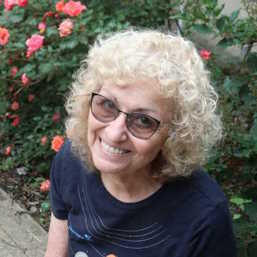
Janice Jones is a Certified Knitting and Crochet Instructor who creates beginner-friendly patterns and tutorials, backed by a 389-page library of practical knitting and crochet content.
Most Popular Pages
Comprehensive Guide to Yarn

All Types of Crochet Stitches
36 Reversible Knit Stitch Glossary
How to Crochet the Second Row
Dog Sweater Patterns
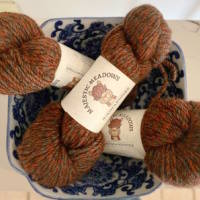
Working with Alpaca Yarn
Free eBooks, Just for You
Get my beginner eBook guides to Knitting and Crocheting, just for signing up for my monthly newsletter.
Choose one or both when you sign up.
About the Author: Please allow me to introduce myself
Janice Jones is a Certified Knitting Instructor and Certified Crochet Instructor through the Craft Yarn Council who focuses on beginner-friendly patterns, stitch guides, and technique tutorials. She has built a library of 389 pages on her website, sharing practical instructions and patterns, and has completed projects ranging from crochet blankets to knit sweaters. You can explore her work on her website. She makes items for Warm Up America and often knits and crochets sweaters for her small dogs.
Thank you for visiting Smart-Knit-Crocheting. I hope this and all of my tutorials will give you the inspiration to continue your knit or crochet journey. For a complete list of all the pages on my site, please visit my table of contents.
I participate in the Amazon Services LLC Associates Program, an affiliate advertising program designed to provide a means for sites to earn advertising fees by advertising and linking to Amazon.com. “As an Amazon Associate I earn from qualifying purchases.” These earnings go towards supporting my website.
Home | Contact | About | Privacy Policy | Disclaimer
I DO NOT SELL ANY PERSONAL INFORMATION FROM THIS WEBSITE. PLEASE SEE MY PRIVACY POLICY FOR MORE DETAILS.
Copyright © 2006-2026 Smart Knit Crocheting. All Rights Reserved
Please Share
Remember, Sharing is Caring