Smart Knit Crocheting
Knitting and Crochet for Beginners
Knitting and Crochet for Beginners: The Smart Way
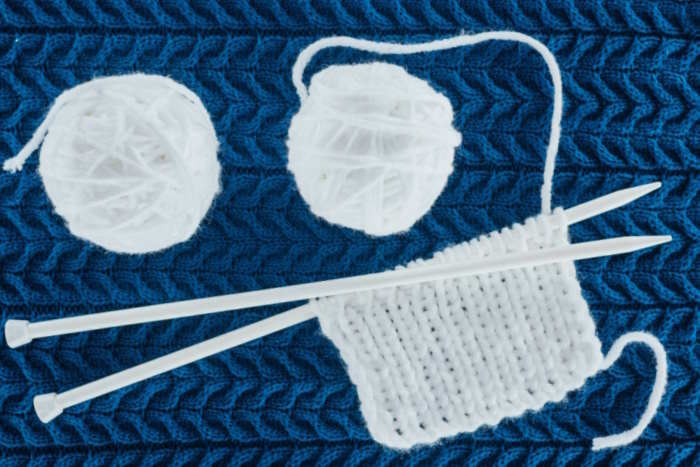
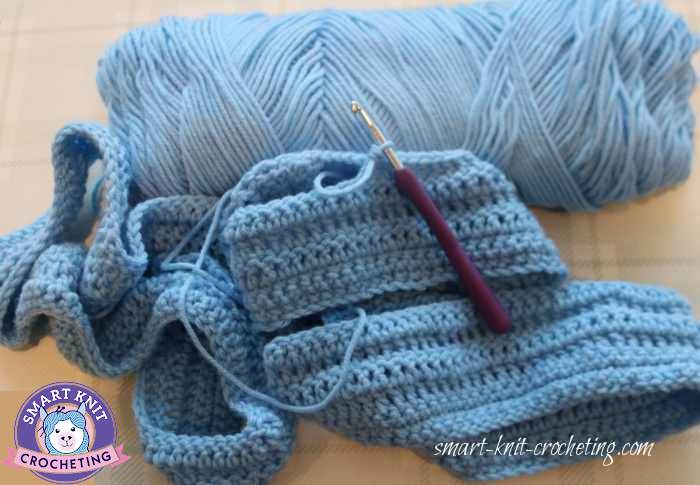
Have you caught the knit or crochet bug yet? It's not a germ, but it could become addictive. Knitting and Crochet for Beginners, the Smart Way is for anyone who loves to knit or crochet.
Or for anyone who might like to give knitting or crocheting a try. So, which one is better, easier, or more fun? Maybe you don't want to choose; rather, try both.
That's perfectly OK, because we have resources for both on this site. The best news is that there are health benefits to you, whether you choose knitting or crocheting.
Where do you want to start?
- Click a topic below
- Browse this site's index
- Do a search on this site
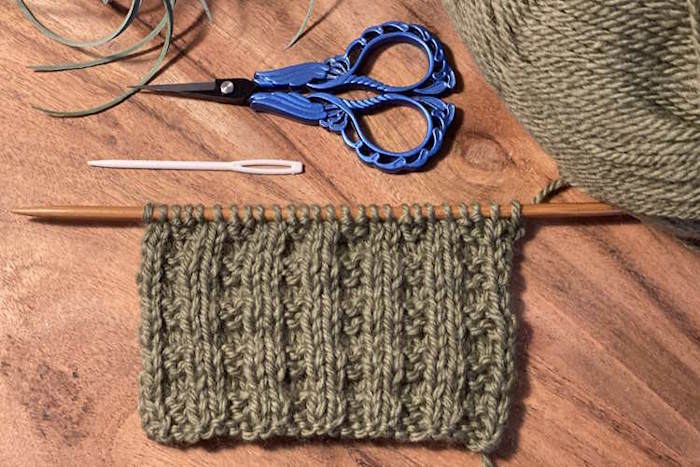
📖 Glossary of Knit Stitches
Explore textures with clear instructions, charts, and swatch photos.
Explore knit stitches →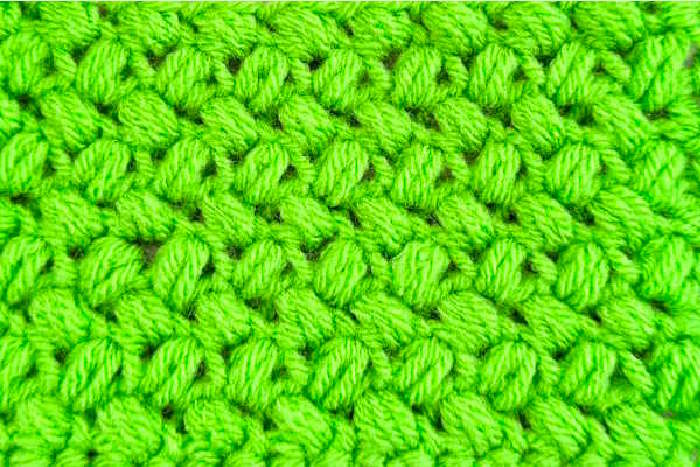
📖 Glossary of Crochet Stitches
From basics to decorative stitches with step-by-step tutorials.
Explore crochet stitches →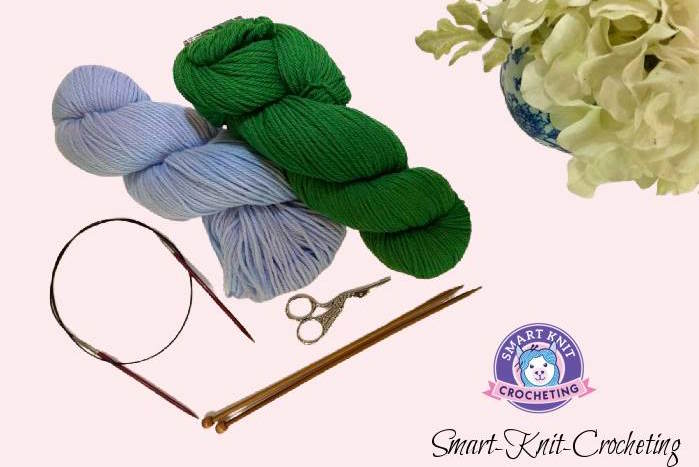
🛍️ Knitting Supplies Guide
Needles, notions, and beginner-friendly tools—what to buy and why.
Read reviews →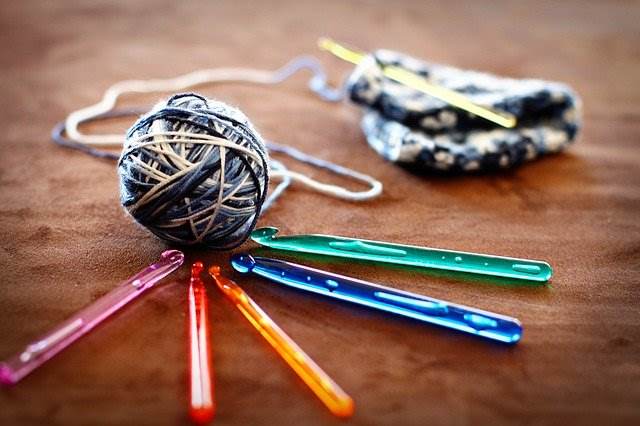
🛍️ Crochet Supplies Guide
Hooks, accessories, and notions for smooth, stress-free crocheting.
Learn more →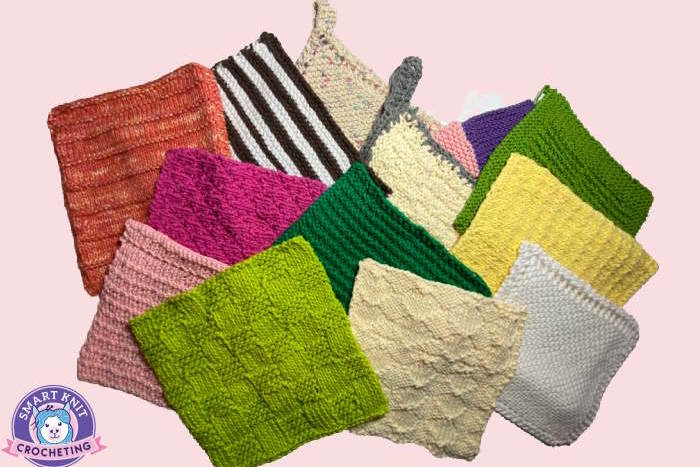
🎁 Free Knitting Patterns
Beginner-friendly projects like dishcloths, scarves, and simple hats.
Start knitting →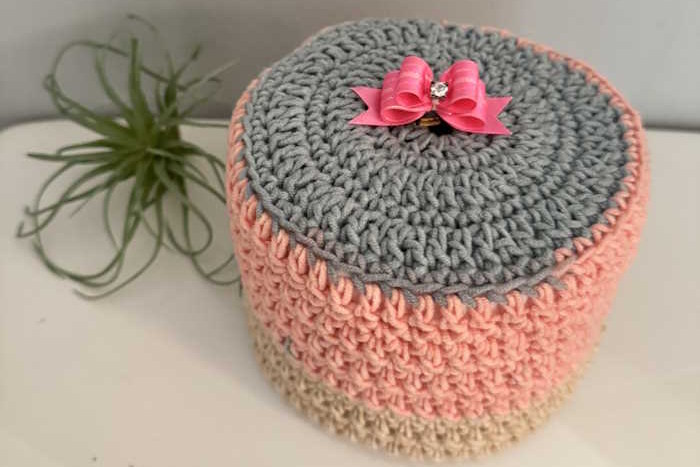
🎁 Free Crochet Patterns
Quick wins for beginners: home, gifts, and practical everyday items.
Start crocheting →
🧵 Comprehensive Guide to Yarn
Fibers, weights, care, and how to choose the right yarn for any project.
Yarn guide →
📚 More Resources
Tips, calculators, sizing charts, care guides, and printable checklists.
See resources →
More Articles on Smart Knit Crocheting
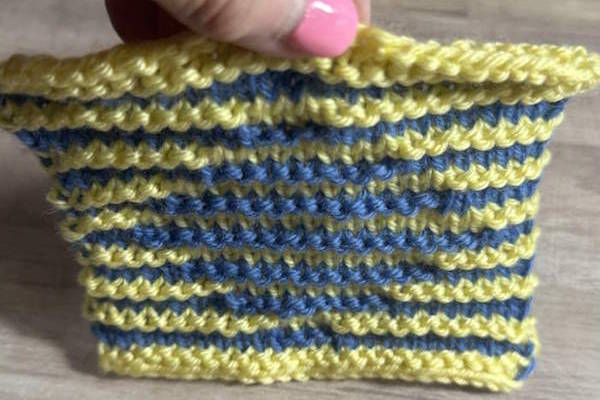
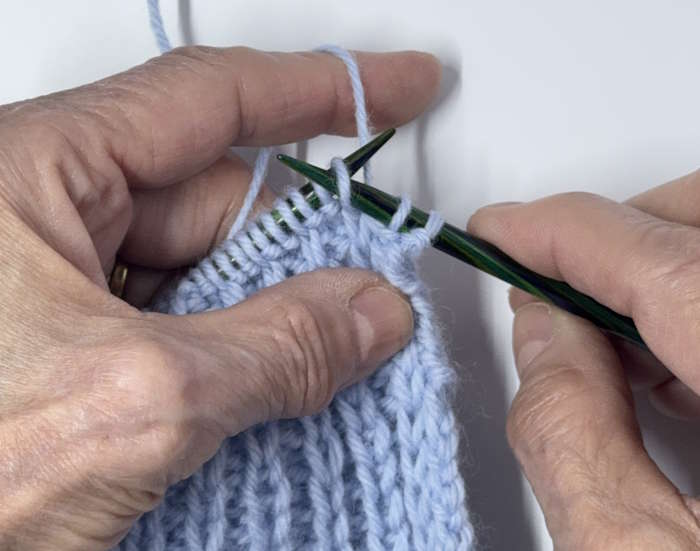
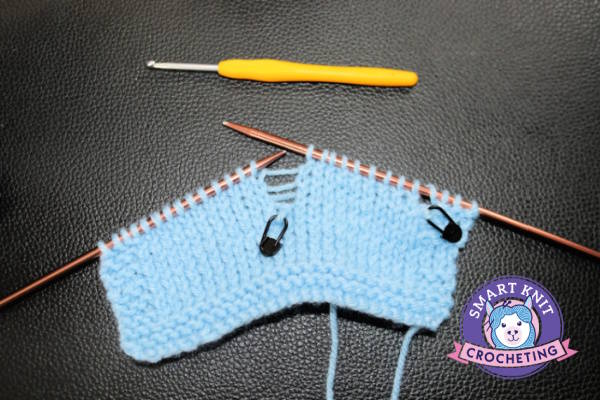
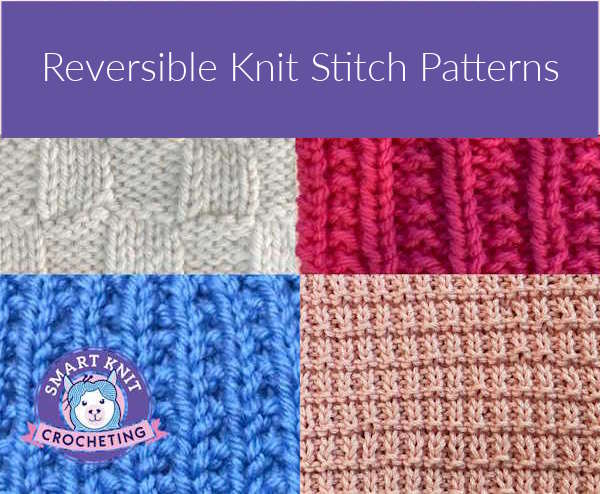
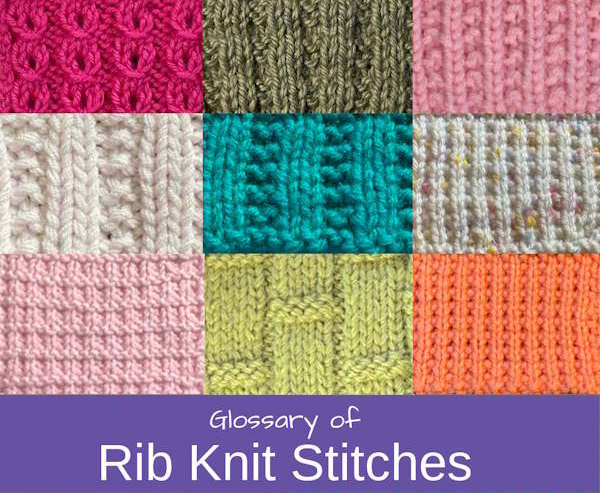
Crochet Tutorials for Working in the Round
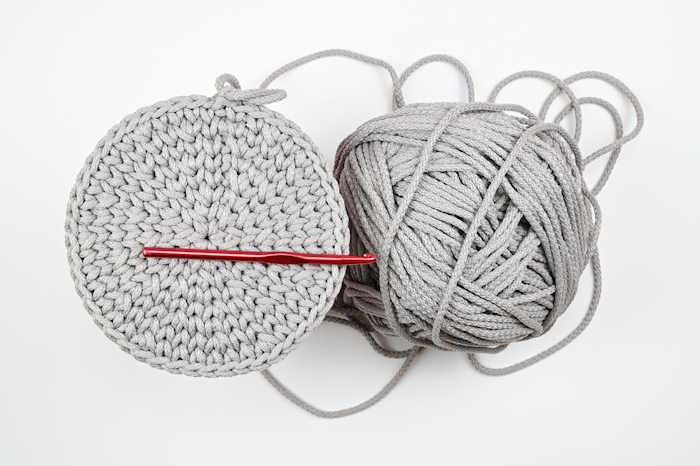 Beyond learning a few stitches, there are other techniques to know. This article will cover all the essential skills that crocheters need to know.
Why Knitting and Crocheting for Beginners?
There's something so satisfying about using your hands to make something. Research has shown that these hobbies are good for your health.
Knitting and Crocheting could very well be the
- Most versatile
- Most portable
- Most inexpensive
- Most fulfilling way to add meaning to your life
So How Exactly do you Knit or Crochet Smart?
Many years ago, when I was in high school, there were 3 kinds of kids:
- Those A students who memorized everything
- Those C students who didn't try at all and
- Those A-B students who actually understood the subject matter at it's core.
I want you to be the last kind of student because in the long run you will knit or crochet better, enjoy it more, and make it a life-long hobby (or maybe something more).
(Confession) I was always in the first group and it took many years to figure out that I should have been in the third group.
 Knitting and Crocheting for Beginners
You're knitting or crocheting smart when you
- Learn a few techniques and stitches to get you started
- Practice and develop that muscle memory
- Get so hooked all you want to do is learn more
- Feel the creative juices running through your veins
Have you ever been faced with one or more of these common situations?
- Understanding written and charted patterns: You've read the instructions and think you understand until you try to do it for yourself and that's when your eyes glaze over.
- Choose the best yarn for your projects: You walk into a yarn store, only to overwhelmed by the choices. The sales person is helpful, but you find your eyes begin to glaze over by all the info thrown your way.
- Going from Easy to Interesting: You want to go beyond knits and purls or single and double crochet stitches
- Tension, Shapping, Finishing
- Gauge: How to Make Your nits and crochets fit perfectly.
- Latest trends, tips, techniques, tutorials
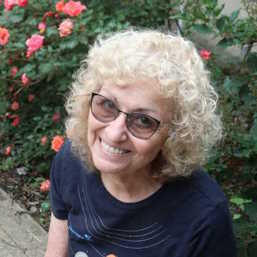
Hi, there, I'm Janice, the voice behind this website and avid knit and crochet enthusiast. I want to share my passion with you and help you learn how to knit or crochet, smarter.
Happy Knitting and Crocheting!
My Latest Articles
Recent Articles


-
Textured Knitting Stitch Patterns: Beginner-Friendly Tutorials
Sep 17, 26 11:35 AM
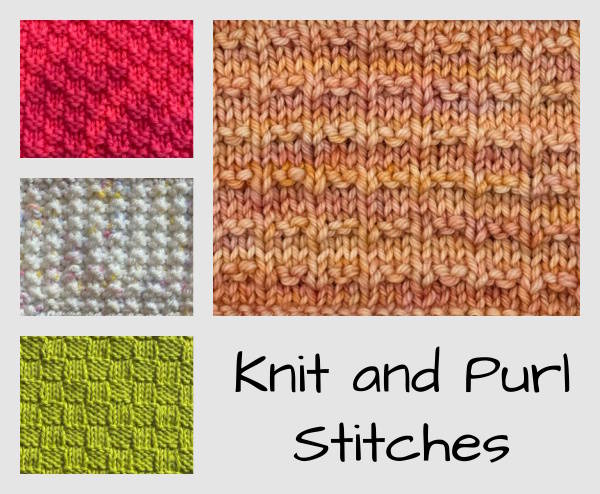
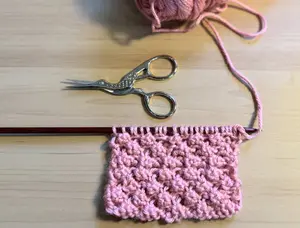
 Textured knitting stitch patterns use knit and purl stitches to produce a textured fabric that is perfect for many projects. Textured knit stitches tutorials.
 -
Complete Yarn Guide for Knitting and Crochet Beginners
Sep 17, 26 11:26 AM
 Learn about yarn weights, fibers, labels, ply, care, substitutions, and project choices in this practical guide for beginning knitters and crocheters.
 -
Five Essential Knitting Stitches to Learn First
Sep 07, 26 11:56 AM
 Learn five essential knitting stitches in a comfortable order, with clear explanations, linked tutorials, fabric characteristics, and suitable first projects.
About the Author: Please allow me to introduce myself
Janice Jones is a Certified Knitting Instructor and Certified Crochet Instructor through the Craft Yarn Council who focuses on beginner-friendly patterns, stitch guides, and technique tutorials. She has built a library of 389 pages on her website, sharing practical instructions and patterns, and has completed projects ranging from crochet blankets to knit sweaters. You can explore her work on her website. She makes items for Warm Up America and often knits and crochets sweaters for her small dogs.
Thank you for visiting Smart-Knit-Crocheting. I hope this and all of my tutorials will give you the inspiration to continue your knit or crochet journey. For a complete list of all the pages on my site, please visit my table of contents.
I participate in the Amazon Services LLC Associates Program, an affiliate advertising program designed to provide a means for sites to earn advertising fees by advertising and linking to Amazon.com. “As an Amazon Associate I earn from qualifying purchases.” These earnings go towards supporting my website.
Home | Contact | About | Privacy Policy | Disclaimer
I DO NOT SELL ANY PERSONAL INFORMATION FROM THIS WEBSITE. PLEASE SEE MY PRIVACY POLICY FOR MORE DETAILS.
Copyright © 2006-2026 Smart Knit Crocheting. All Rights Reserved
Please Share
Remember, Sharing is Caring