Filet Crochet Doilies
Filet crochet doilies are a traditional, chart-based crochet technique that relies on simple stitches and visual patterns rather than complex written instructions. They are especially popular with crocheters who enjoy working from charts and creating precise, geometric lace designs.
Unlike modern decorative crochet projects, filet crochet doilies are built on a structured mesh of open and filled squares. This makes them one of the easiest lace techniques to follow once you understand how the grid works, even though the finished designs can look intricate and impressive.
This page focuses on how filet crochet doilies are constructed, how to read their charts correctly, and how simple design rules can be used to create doilies in many shapes and sizes. While the examples shown here are traditional in style, the underlying technique is timeless and can be adapted to many lace projects beyond doilies.
How Filet Crochet Doilies Work
Filet crochet doilies are created using a repeating mesh made from just a few basic stitches: chain stitches and double crochet (often three double crochet stitches at a time). The mesh is built row by row, forming a grid that acts as a foundation for the design.
Each square in the grid is made in one of two ways:
- Open cells, which are typically formed using two double crochets separated by chain stitches
- Filled cells, which replace the chain stitches with additional double crochets
By arranging open and filled cells in different combinations, detailed lace motifs emerge, even though the underlying structure remains a simple grid. This is why filet crochet is often described as a “visual” technique: the design becomes clear when viewed as a chart rather than a row-by-row written pattern.
Because filet crochet doilies are worked in rows, symmetry is important. Most designs mirror both horizontally and vertically, making charts easier to follow once the basic layout is understood. Mastering this structure allows crocheters to scale patterns up or down, adjust proportions, or even design original filet crochet motifs using the same foundational grid.
Are Filet Crochet Doilies Still Relevant Today?
Filet crochet doilies are less common in everyday décor, but the filet crochet technique itself is still widely used. Today, filet crochet is often adapted for table runners, window panels, wearables, framed lace, and decorative accents rather than traditional doilies.
Because filet crochet is based on a simple charted grid, patterns can be easily resized or modified for modern projects. This makes it a timeless technique for crocheters who enjoy precision, symmetry, and working from visual charts.
A Personal Note on Filet Crochet Doilies
I was born in 1952, and filet crochet doilies were a familiar part of my childhood. My grandmother crocheted doilies throughout the 1940s, 1950s, and 1960s, and they were used as everyday decorative pieces in her home.
I still have a few of her original doilies today. While they have naturally yellowed with age, they are a reminder of how common and practical this type of crochet once was, and how carefully these pieces were made to last. Seeing them decades later provides important context for why filet crochet remains an enduring technique, even as its use has changed over time.
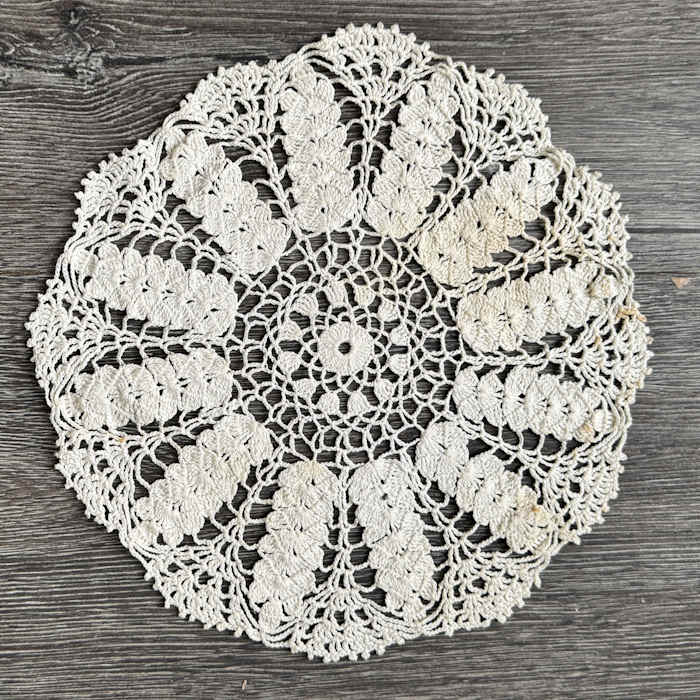 This filet crochet doily was crocheted 85 years ago by Leona Mangold in Baltimore, Maryland
Filet Crochet Charts
You will discover that there are two major types of filet charts:
- Crochet Symbols
- Colored squares or squares with colored circles
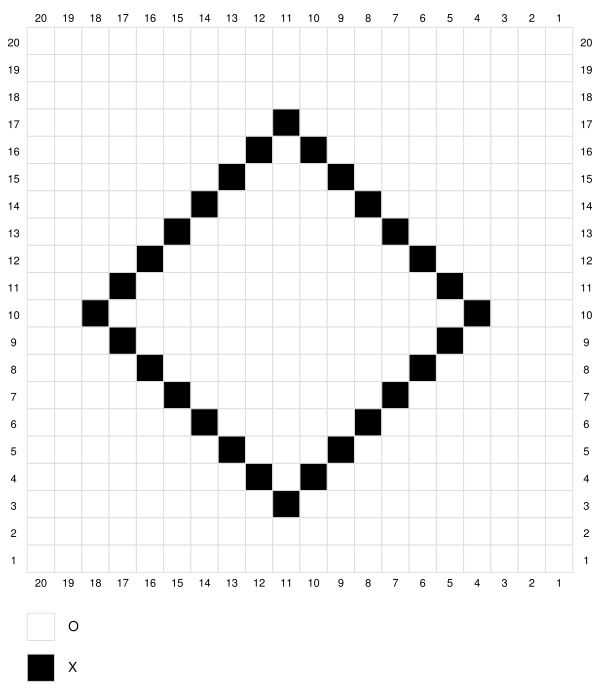 This chart shows when to make filled and open stitches in filet crochet.
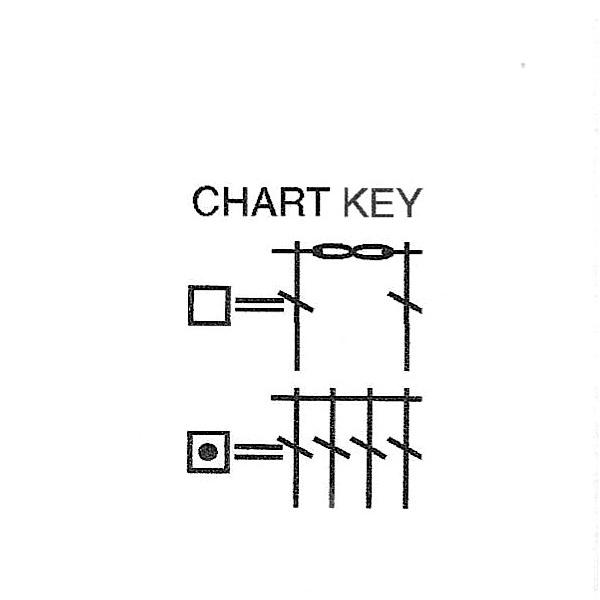 These two symbols are common in filet charts that use crochet symbols to indicate filet stitches.
Filet Crochet Instructions Using Written & Charts
Torun Johansson provides both written and chart instructions for her filet crochet bookmark. Her free pattern can be located on Ravelry.
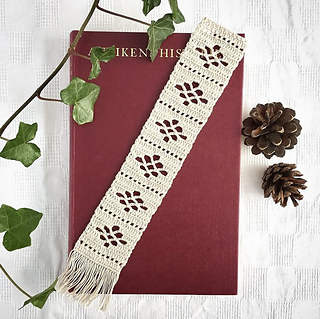 Filet Crochet Bookmark
Some Ideas About Filet Crocheting Technique
Filet crochet is easier to learn than it may first appear because it is built on a very simple structure. Every filet crochet design starts with a mesh made from repeating squares, often called cells. Once you understand how these cells are formed, reading filet crochet charts becomes much more manageable.
There are only two basic types of cells used in filet crochet:
- Open cells, which are made by working double crochet stitches with chain stitches between them
- Filled cells, which replace those chain stitches with additional double crochet stitches
By placing open and filled cells in different positions, shapes and patterns begin to appear in the mesh. Even detailed designs are created using the same basic method, repeated row after row.
Because filet crochet follows a consistent grid, it is especially helpful for beginners who prefer working from charts rather than long written instructions. Once the basic cell structure is familiar, you can more easily follow patterns, recognize repeated sections, and understand how a design is formed as you work.
How to Read Filet Crochet Doily Charts
Filet crochet doilies are usually worked from charts instead of long written instructions, which can feel unfamiliar at first. The good news is that filet charts follow a logical, repeatable system that becomes easier to read once you know what to look for.
Start at the bottom of the chart.
Each row on a filet crochet chart represents one completed row of crochet, and the first row you work is always shown at the bottom. The chart will also indicate how many chain stitches are needed to begin the project.
Follow the grid one row at a time
Each square on the chart represents one cell in the filet mesh. Open squares show where open cells are worked, and filled squares show where filled cells are worked. Reading the chart row by row helps you focus on one section at a time instead of the entire design at once.
Look for symmetry
Many filet crochet doilies are symmetrical, meaning the design mirrors itself from side to side or top to bottom. Recognizing these repeated sections can make charts easier to follow and can help you quickly spot mistakes.
Understand shaping and edges
Square and rectangular doilies usually keep the same number of cells in every row. Doilies with curved or decorative edges require increases or decreases at the beginning or end of rows to shape the design. These changes are shown directly on the chart, so you do not need to calculate them yourself.
Use visual markers as you work
Placing a ruler, sticky note, or row marker along the current chart row can help keep your place, especially on larger designs. This small habit can prevent common chart-reading errors and make the process much more relaxing.
Filet Crochet Doilies Charts
About the Charts on This Page
The filet crochet charts shown here were originally created by a previous site owner and reflect common charting styles used in online crochet resources in the early 2000s. While the image quality reflects the limitations of the time, the charts themselves demonstrate the standard filet crochet construction principles still used today.


Common Filet Crochet Chart Mistakes
(and How to Avoid Them)
Starting the chart from the top instead of the bottom
Filet crochet charts are read from the bottom up, with the first row worked at the bottom of the chart. Before beginning, double-check where the first row is marked so the design is not worked upside down.
Confusing open cells with filled cells
Because filet crochet relies on only two types of cells, it’s easy to mix them up at first. Taking a moment to review what each symbol represents before starting can prevent repeated errors later in the project.
Losing your place on the chart
Large charts can be difficult to follow without a visual guide. Using a ruler, sticky note, or digital highlighter to mark the current row helps keep your place and reduces frustration.
Over-tightening stitches
Filet crochet designs rely on an even mesh. Crocheting too tightly can distort the grid and make open cells look uneven. A relaxed tension usually produces cleaner, more balanced results.
Not counting cells regularly
Small mistakes can grow quickly in filet crochet. Counting cells at the end of each row helps catch errors early, when they are much easier to fix.
Expecting the design to appear immediately
Filet crochet patterns often become clearer after several rows are completed. If the design looks unclear at first, continue working — the image usually emerges as the mesh grows. Blocking brings out the design clearly.
Conclusion
Filet crochet doilies may no longer be everyday household items, but the technique behind them remains both practical and rewarding. Built on a simple grid of open and filled cells, filet crochet offers a clear, structured way to create detailed lace designs using only a few basic stitches.
Whether you are learning to read charts for the first time or revisiting a traditional crochet method, filet crochet encourages patience, precision, and creativity. The same principles used in classic doily patterns can be applied to many modern lace projects, making this technique just as useful today as it was in the past.
By understanding how filet crochet charts work and how the mesh is constructed, crocheters can approach this timeless method with confidence, adapting it to suit their own style while preserving the craftsmanship that has defined filet crochet for generations.
Disclosure:
This post contains affiliate links. If you buy through them, I may earn a small commission at no extra cost to you.
Janice Jones is a Certified Knitting and Crochet Instructor who creates beginner-friendly patterns and tutorials, backed by a 389-page library of practical knitting and crochet content.
Most Popular Pages
Comprehensive Guide to Yarn

All Types of Crochet Stitches
36 Reversible Knit Stitch Glossary
How to Crochet the Second Row
Dog Sweater Patterns
Working with Alpaca Yarn
Free eBooks, Just for You
Get my beginner eBook guides to Knitting and Crocheting, just for signing up for my monthly newsletter.
Choose one or both when you sign up.
About the Author: Please allow me to introduce myself

Janice Jones is a Certified Knitting Instructor and Certified Crochet Instructor through the Craft Yarn Council who focuses on beginner-friendly patterns, stitch guides, and technique tutorials. She has built a library of 389 pages on her website, sharing practical instructions and patterns, and has completed projects ranging from crochet blankets to knit sweaters. You can explore her work on her website. She makes items for Warm Up America and often knits and crochets sweaters for her small dogs.
Thank you for visiting Smart-Knit-Crocheting. I hope this and all of my tutorials will give you the inspiration to continue your knit or crochet journey. For a complete list of all the pages on my site, please visit my table of contents.
I participate in the Amazon Services LLC Associates Program, an affiliate advertising program designed to provide a means for sites to earn advertising fees by advertising and linking to Amazon.com. “As an Amazon Associate I earn from qualifying purchases.” These earnings go towards supporting my website.
Home | Contact | About | Privacy Policy | Disclaimer
I DO NOT SELL ANY PERSONAL INFORMATION FROM THIS WEBSITE. PLEASE SEE MY PRIVACY POLICY FOR MORE DETAILS.
Copyright © 2006-2026 Smart Knit Crocheting. All Rights Reserved
Please Share
Remember, Sharing is Caring