- Home
- Make a Knit or Crochet Garment
- Knit Drop Shoulder Cardigan
Cardigan Sweater for Beginners: Drop Shoulder Design and 10 Free Patterns
by Janice Jones (Last Updated December 2025)
A drop-shoulder cardigan is one of the most beginner-friendly garment styles you can knit. Because the shoulders are “dropped” (the sleeve seam sits lower than a set-in sleeve), the shapes are more forgiving, and the overall silhouette is relaxed and drapey. For knitters who've mastered basic stitches (knit, purl, cast-on, bind-off), it’s a great first step into garment knitting.
In this article, we’ll walk through all the essentials before you start — from swatching and measurements, to choosing yarn and gauge, to shaping and finishing. That way, when you pick one of those free drop-shoulder cardigan patterns, you’ll have the knowledge and confidence to get a good fit and a nice result.
If you want to skip all this introductory material, you can jump right to the pattern section.
Understand “Drop-Shoulder” Design
Swatching: Why it Matters (and How to do it Properly)
Before you commit to casting on for a full cardigan, you absolutely should knit a gauge swatch.
Why swatch:
- The Yarn, needles, and stitch pattern all affect the final fabric density and drape. Without a swatch, you risk ending up with a sweater that’s too tight, too loose, or has poor drape. The swatch will tell you which needles to use to meet the designer's specified gauge.
How to swatch:
- Use the same yarn and needles you plan for the sweater.
- Knit a square swatch (e.g., 6″ × 6″ / 15 cm × 15 cm, or larger if the stitch pattern has large repeats).
- Wash & block, then measure your stitch gauge (stitches per inch or per cm) and row gauge (rows per inch or per cm). Also note how the fabric drapes — is it dense and stiff, or soft and flowing? That will affect ease and overall look.
Tip for drape: if you want a loose, flowy cardigan (less “boxy”), consider yarns and stitch patterns that give a lighter, drapier fabric. A swatch will help you see how the fabric behaves.
Measurements, Fit & Ease: Planning your Cardigan’s Dimensions
What is “Ease”
Ease refers to the difference between your body measurements (bust, chest, hips) and the finished garment measurements. It can either be positive or negative.
Positive ease = garment larger than body (for a roomy, relaxed fit).
Negative ease = garment smaller than body (for a snug fit). In drop-shoulder designs, positive ease is typically used.
How Much Ease Should You Allow?
Many drop-shoulder knitted garments are designed with 6–12″ (about 15–30 cm) of positive ease at bust/chest circumference.
The exact amount depends on how you like your cardigan to fit.
- If you like them oversized and layering-ready, go toward the higher end.
- If you prefer your sweater to be slightly relaxed but still flattering, then go with the lower end of the range.
Also consider body length, hem, and hip circumference, especially if your cardigan will fall below hip length. The widest circumference of your body might be your hips rather than your bust, so plan accordingly.
For more information, check out Elizabeth Smith Knit's article on Drop Shoulder Ease
More on Measurements
- Torso length (from shoulder to desired hem)
- Upper arm circumference (to ensure sleeves are wide enough, especially since drop-shoulder sleeves hang lower and may require extra room under the arm)
- Shoulder-to-neck and shoulder slope (if you choose to introduce subtle shaping)
- Sleeve length: If you have a favorite store-bought sweater with a drop-shoulder that fits well, lay it flat and take its measurements. That gives a helpful reference for how you like fit and drape to fall.
- For more on taking measurements, check out my article on Knitting a Garment.
Yarn & Fabric: How Fiber, Weight, and Drape Affect the Result
If this is your first sweater, you will likely want to follow the pattern's recommendations. With that said, you may not be able to obtain the suggested yarn, or it may be beyond your budget. One way to substitute is by visiting Yarn Sub for suggestions. Remember, you choose a yarn with the same weight as suggested in the pattern. Here are some ideas to get you thinking about the yarn you choose.
- The yarn you choose will strongly influence how the final cardigan hangs. Even within the same weight category, a heavy, dense yarn may produce a warm but stiff “boxy” silhouette, while a lighter or more fluid yarn (or a stitch pattern that gives a loose fabric) will result in a softer, flowing drape.
- The same pattern and exact finished measurements can look quite different depending on yarn fiber content (wool, cotton, blends) and thickness. For example, two sweaters with identical stitch counts and ease could behave very differently if one is knit in dense worsted wool and the other in a drapier cotton or wool blend.
- When you swatch, pay attention not just to the gauge measurements, but to how the fabric feels: does it hang nicely? Does it stretch or sag too much? Does it hold shape? Use that to guide your yarn selection and ease planning.
Construction Approaches for Drop-Shoulder Knit Cardigans
Because drop-shoulder sweaters tend to use simpler construction, you’ll generally see a few common approaches.
- Flat panels: This type consists of knitting a back, two fronts, and two sleeves. Once done, they are seamed. This is the most basic and beginner-friendly. This approach can be knitted flat on straight needles.
- Top-down or bottom-up with minimal shaping: Some knitters prefer to knit the body first (bottom-up), then pick up the sleeves, or start at the shoulders and work downward. Both methods usually use large circular needles but are not worked in the round.
- Use of “steeking” (for certain styles): If you’re adventurous and knitting in the round (for example, for a fair-isle cardigan), you might use a steek to cut open the front so you can finish a cardigan without switching to flat knitting. Steeking is an advanced skill and not recommended for beginners.
- Bind-off and stitch-picking for edges: For cardigans, you’ll often need to bind off shoulders/armholes, then pick up stitches for sleeves, neckline, or button bands. Use a suitable bind-off to avoid tightness or flaring. Your pattern should recommend methods if it is beginner-friendly.
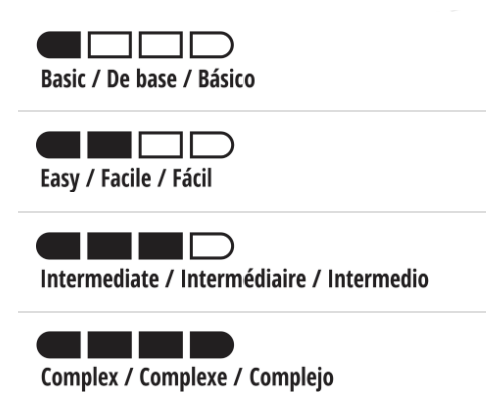
The approach you choose often depends on your comfort with seaming, the pattern's complexity, and the desired silhouette. If this is your first sweater, search for patterns that are beginner-friendly. Look for the symbols marked BASIC or EASY
Finishing:
Seaming, Picking Up Stitches, Button Bands and Button Holes, Necklines & Blocking
Finishing can make or break a sweater, but it is also the most difficult for beginning knitters. A few careful steps will give your cardigan a polished, wearable look. The following techniques are not necessarily in the correct order for your sweater. You should follow the pattern instructions for determining the order in which you should proceed.
Seaming & Weaving in Ends
If you have never done this, I always recommend practicing first before working on the "real" thing. Most of the seaming can be done with the mattress stitch. There are different ways to weave in ends depending on the type of stitch pattern you have used to make the fabric. This article will explain how to use the duplicate stitch so your ends won't show on the right or public side.
Blocking
I personally like to block all the pieces before I begin seaming, but that is just a personal preference. For more information on blocking, see my article on how to block knitted fabric. Blocking after all the finishing is done is also important to even out stitches, set the shape, and improve the drape. This is especially important if you used natural fibers, such as wool.
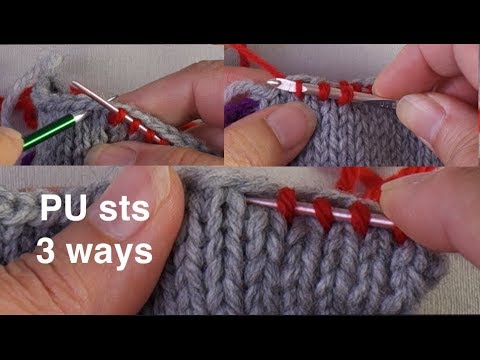
Picking Up Stitches
Picking up stitches around the neckline, collar, and button bands will likely be necessary to make the sweater look finished. The technique of picking up and knitting stitches is not as difficult as it sounds. I found a little video that might help if you have never tried this technique.
Binding Off the Knitted Edge (Casting Off)
A tight bind-off may make a stiff edge — consider a looser or more flexible bind-off (or use a needle size up) for button bands, sleeves, or any edge where stretch is helpful. The pattern may recommend a specific bind-off technique, or you can use the standard bind-off.
Buttons, Pockets, Etc.
You are almost done. YAY. But if your sweater calls for any other embellishments, don't forget them. Your pattern will share this information with you.
Before You Start — Planning Checklist
Before casting on your drop-shoulder cardigan, confirm the following:
- You have chosen yarn, needle size, and stitch pattern — and swatched and blocked to check gauge and drape.
- You know your body measurements (bust/chest, upper torso or “high bust,” shoulder-to-hip length, arm circumference, sleeve length, etc.) and have decided how much positive ease you want.
- You have sketched or written down approximate finished garment measurements (body width, length, sleeve circumference/length).
- You have a plan for construction (flat pieces & seams, top-down, bottom-up, steek, etc.).
- You have a finishing plan (seaming, picking up stitches, bind-off, blocking).
If you check all these off before starting, your project is much more likely to succeed — and to result in a cardigan you’ll actually love wearing.
Free Dropped Shoulder Knit Cardigan Patterns
1. Caron Dropped Shoulder Knit Cardigan
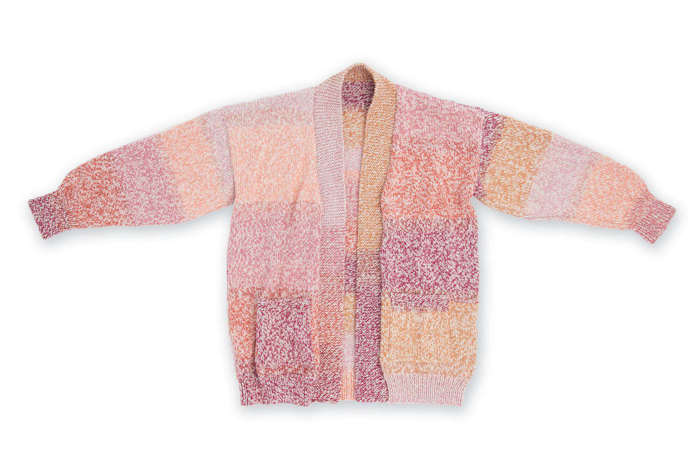
by Yarnspirations
Yarn Brand: Caron (Worsted-Weight Yarn)
Project Level: Easy
2. Bernat Colorblocked Knit Cardigan
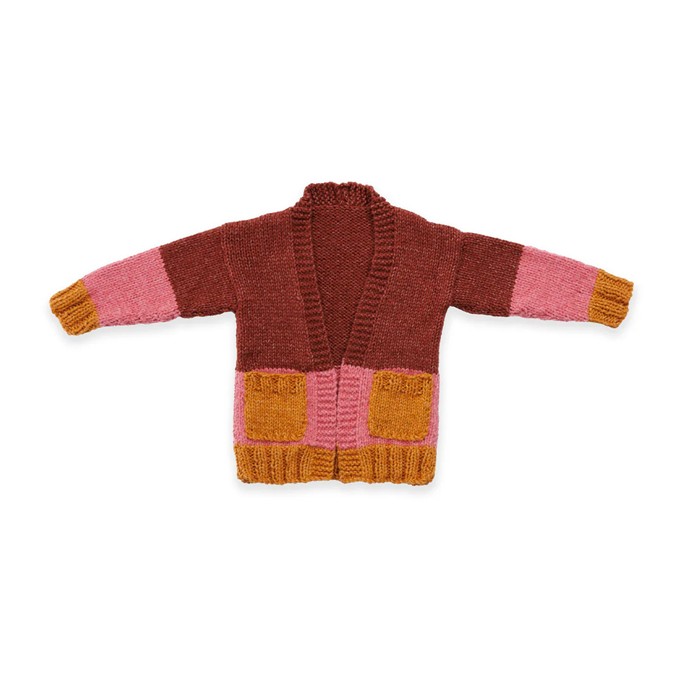
By Yarnspirations
Yarn Brand: Bernat® Super Fluffee™ No. 6 Chunky
Project Level: Easy
Free Colorblock Sweater Pattern
3. Free Oh So Cozy Knit Coatigan Pattern
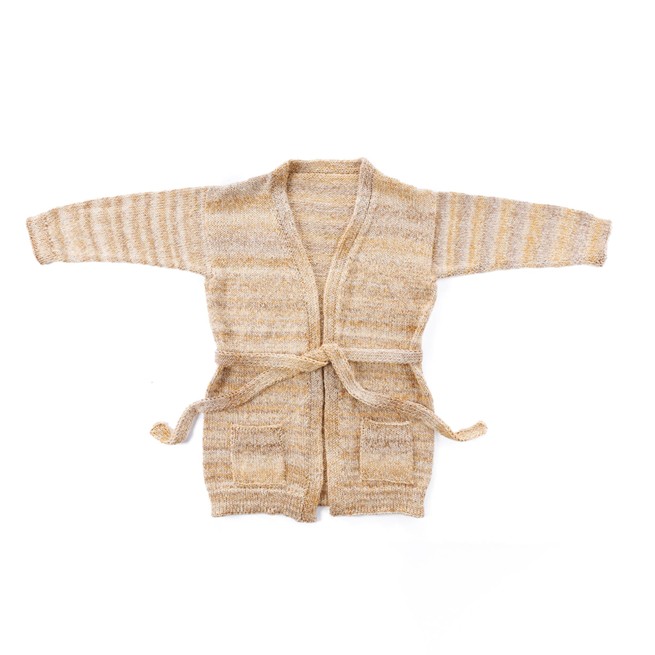
By Yarnspirations
Yarn Brand: Caron Simply Me Mosaic Yarn, No. 5 Bulky
Project Level: Easy
Free Oh So Cozy Knit Coatigan Pattern
4. Red Heart Cardigan With Crocheted Cherries
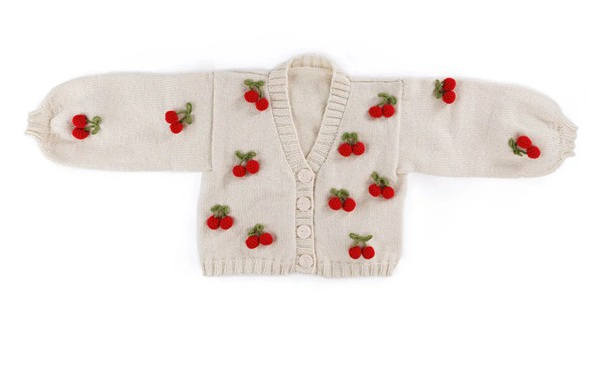
By Red Heart
Yarn Brand: Red Heart Super Saver No. 4 Worsted Weight Yarn
Project Level: Easy
Free Knit Cardigan with Crochet Cherry Pattern
5. Caron Knit Contrast Cardigan Pattern
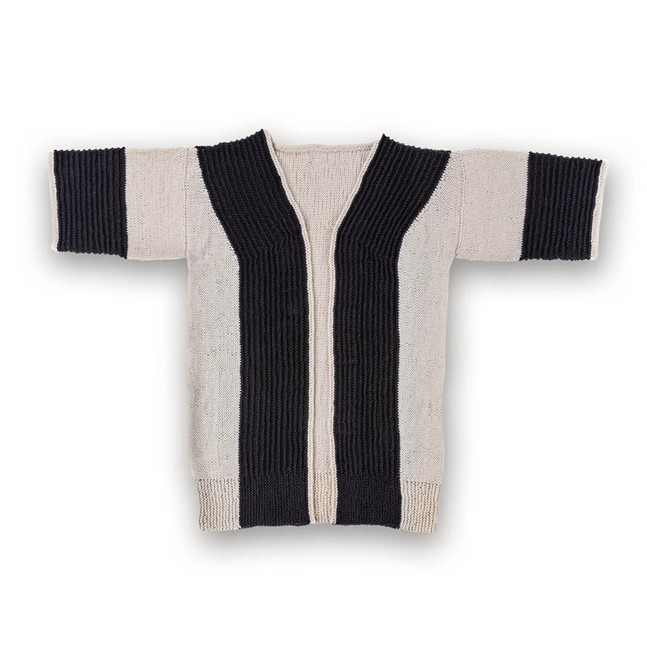
By Yarnspiration
Yarn Brand: Caron All Day Cotton Yarn, No. 4 Worsted-weight yarn
Project Level: Easy
Caron Knit Contrast Cardigan Pattern
6. SEASON-SPANNING CARDIGAN | KNIT
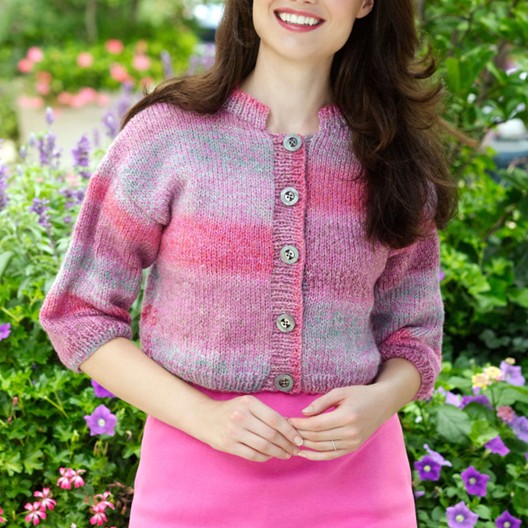
By Designed by Grace Alexander
Yarn Brand: Red Heart® “Collage™” #7 Jumbo
Project Level: Easy
7. Yikes Stripes Cardigan Pattern
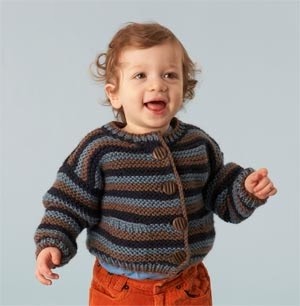
By Lion Brand
Yarn Brand: Vanna's Choice, No. 4 Worsted-weight yarn
Project Level: Easy
Yikes Stripes Cardigan Pattern
8. The Midtown Cardigan
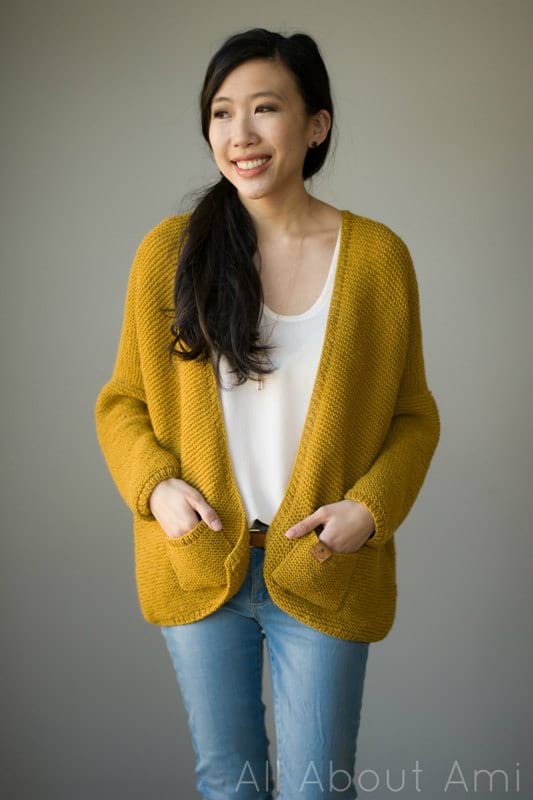
By All About Ami
Yarn: DK Lightweight Yarn
Project Level: Easy
Get the Midtown Cardigan Pattern Free
9. Bly
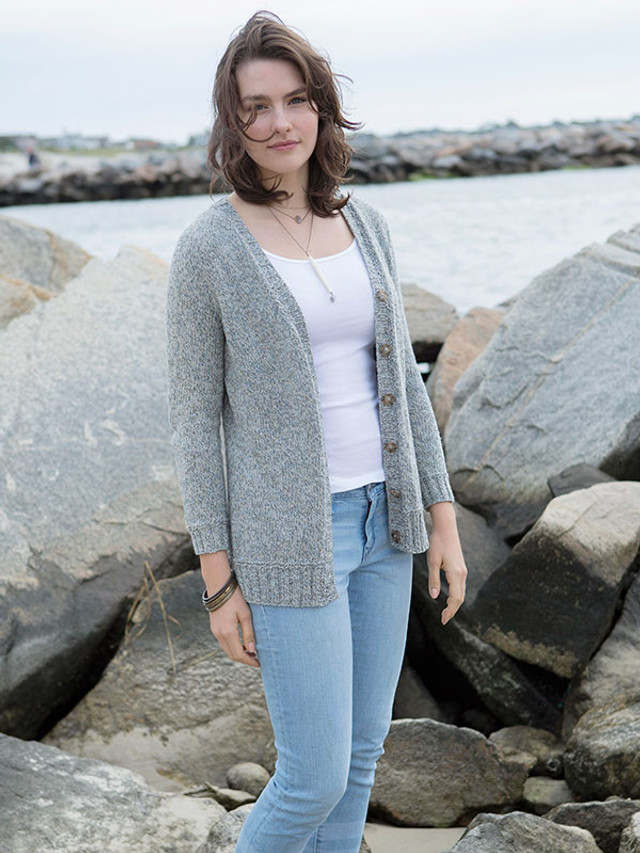
Designed by Amy Christoffers
Yarn: Berroco Indigo®
Project Level: Intermediate
10. My Comfiest Knit Cardigan
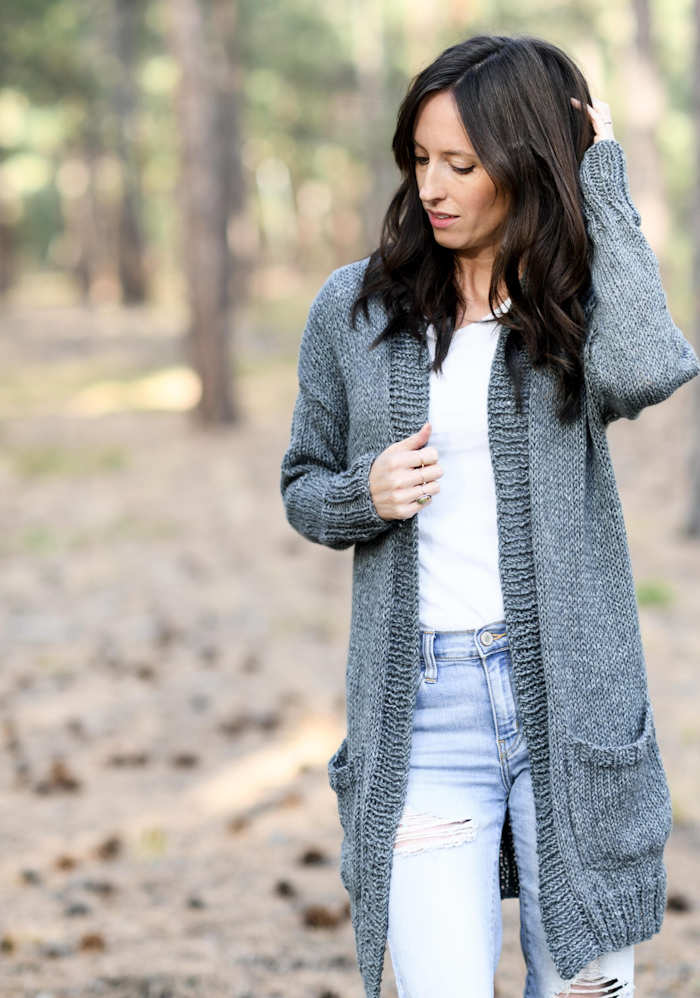
By Mama in a Stitch, Jessica
Yarn: Lion Brand Jeans Worsted-Weight Yarn
Project: Level
Get the Free Drop Shoulder Cardigan Sweater
Frequently Asked Questions
Is a drop-shoulder cardigan good for beginners?
Is a drop-shoulder cardigan good for beginners?
Yes. Drop-shoulder cardigans use simple shapes and minimal shaping, making them one of the most beginner-friendly garment styles to knit.
Do I really need to knit a swatch?
Do I really need to knit a swatch?
Absolutely. Gauge determines the final size of your cardigan. Even a small mismatch can make the sweater several inches too big or too small.
How much ease should I use?
How much ease should I use?
Most drop-shoulder cardigans use 6–12 inches of positive ease, depending on how relaxed you want the fit to be. More drapey yarns often look best with extra ease.
How long should I make the sleeves?
How long should I make the sleeves?
Measure from your shoulder to your wrist, then add the drop-shoulder depth. Because the shoulder seam sits lower, sleeves often appear longer than in a set-in style.
How do I know if my fabric drapes well?
How do I know if my fabric drapes well?
After blocking your swatch, hold it up and let it hang. If the fabric falls softly without feeling stiff, it has good drape for a cardigan.
Conclusion
Knitting a drop-shoulder cardigan is an excellent first step into garment knitting, especially for makers who value comfort, drape, and a relaxed, timeless aesthetic. The key to success is not rushing into the project, but planning carefully: swatching, measuring, selecting yarn, envisioning fit, and finishing neatly. Take your time at the start, and you’ll end up with a cardigan that feels custom-made, cozy, and beautifully drapey.
Happy knitting!
Disclosure:
This post contains affiliate links. If you buy through them, I may earn a small commission at no extra cost to you.
Janice Jones is a Certified Knitting and Crochet Instructor who creates beginner-friendly patterns and tutorials, backed by a 389-page library of practical knitting and crochet content.
Most Popular Pages
Comprehensive Guide to Yarn

All Types of Crochet Stitches
36 Reversible Knit Stitch Glossary
How to Crochet the Second Row
Dog Sweater Patterns
Working with Alpaca Yarn
Free eBooks, Just for You
Get my beginner eBook guides to Knitting and Crocheting, just for signing up for my monthly newsletter.
Choose one or both when you sign up.
About the Author: Please allow me to introduce myself
Janice Jones is a Certified Knitting Instructor and Certified Crochet Instructor through the Craft Yarn Council who focuses on beginner-friendly patterns, stitch guides, and technique tutorials. She has built a library of 389 pages on her website, sharing practical instructions and patterns, and has completed projects ranging from crochet blankets to knit sweaters. You can explore her work on her website. She makes items for Warm Up America and often knits and crochets sweaters for her small dogs.
Thank you for visiting Smart-Knit-Crocheting. I hope this and all of my tutorials will give you the inspiration to continue your knit or crochet journey. For a complete list of all the pages on my site, please visit my table of contents.
I participate in the Amazon Services LLC Associates Program, an affiliate advertising program designed to provide a means for sites to earn advertising fees by advertising and linking to Amazon.com. “As an Amazon Associate I earn from qualifying purchases.” These earnings go towards supporting my website.
Home | Contact | About | Privacy Policy | Disclaimer
I DO NOT SELL ANY PERSONAL INFORMATION FROM THIS WEBSITE. PLEASE SEE MY PRIVACY POLICY FOR MORE DETAILS.
Copyright © 2006-2026 Smart Knit Crocheting. All Rights Reserved
Please Share
Remember, Sharing is Caring