- Home
- Types of Knit Stitches
- Textured Knitting Stitches
- Knitting Stitches for Blankets
Knitting Stitches for Blankets: Easy, Textured, and Beautiful Patterns to Try
By Janice Jones, Certified Knitting Instructor CYC, last updated March 9, 2026
Choosing the right knitting stitch can make the difference between an ordinary blanket and a favorite heirloom piece. Some stitches create soft, cozy textures, while others produce bold patterns that turn a simple blanket into a decorative statement.
The best knitting stitches for blankets are usually easy to repeat, durable, and visually appealing across a large surface. Many blanket stitches rely on simple combinations of knit and purl stitches, while others use techniques that add depth and texture.
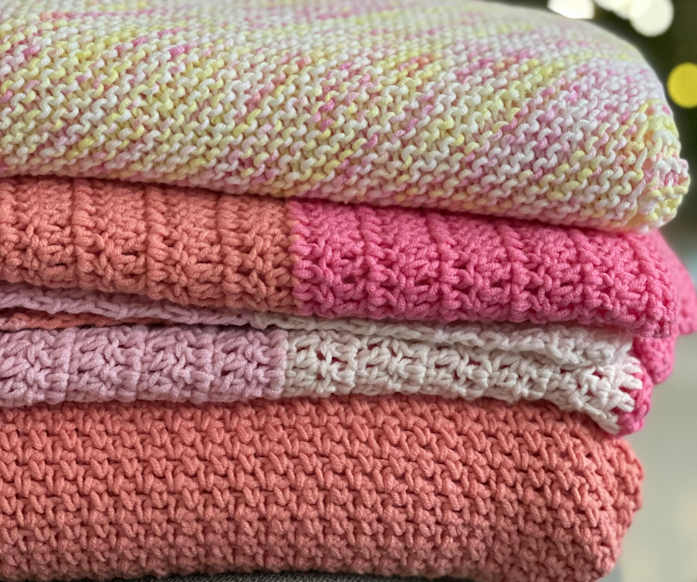
In this guide, you'll discover 20 knitting stitches that work beautifully in blankets, from beginner-friendly patterns to more decorative designs.
Whether you are knitting a baby blanket, an afghan, or a cozy throw, these stitches can help you create a blanket that is both practical and beautiful.
What Makes a Good Knitting Stitch for Blankets?
Not every stitch pattern works well for a blanket. Since blankets involve repeating a stitch pattern over many rows and stitches, some characteristics are especially important.
Texture
Textured stitches help blankets feel warmer and more substantial. Raised stitches such as waffle, basketweave, or diamond patterns create visual interest while also making the fabric thicker and cozier.
Easy Repeats
Blankets often require repeating the same stitch pattern hundreds of times. Patterns with short repeats are easier to memorize and make the knitting process more relaxing.
Minimal Curling
Some stitches, such as stockinette stitch, naturally curl at the edges. While this can be controlled with borders, many knitters prefer stitches that lie flat for blanket projects.
Durability
Blankets are used frequently and washed regularly, so stitches that create stable fabric tend to hold up better over time.
How to Choose the Right Stitch for Your Blanket
When selecting a stitch pattern for a blanket, consider the project's purpose.
For Beginner Blankets
Simple patterns such as garter stitch, seed stitch, or sand stitch are easy to learn and produce attractive results.
For Baby Blankets
Soft textures such as seed stitch or waffle stitch are popular choices because they create cozy fabric without being overly complicated.
For Decorative Throws
Stitches with bold textures, such as basketweave or diamond patterns, can turn a blanket into a statement piece.
For Lightweight Blankets
Patterns with smaller textures or simple repeats are often best for lighter throws.
25 Knitting Stitches for Blankets
These 25 knitting stitches are good choices for blankets of all sizes. Many are reversible, many are knit and purl stitches, some are rib stitches, and some are even slip stitch patterns. All are considered to be good choices for blankets.0
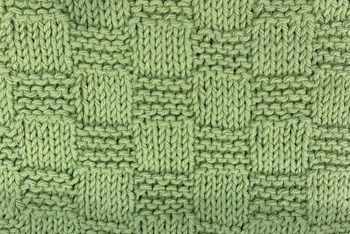
1. Garter Checkerboard Stitch: The garter checkerboard stitch is a nice blanket choice because it combines the simplicity of garter stitch with a little extra visual interest. The alternating blocks create texture without making the pattern hard to memorize. Since garter-based fabrics tend to lie flat, this stitch is easier to manage over a large area. It works especially well for baby blankets, lap blankets, and beginner-friendly throws.
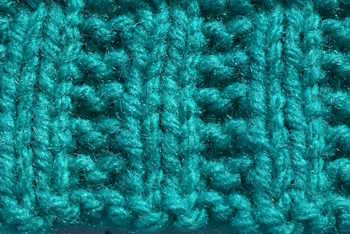
2. Garter Stitch Rib Stitch: Garter rib stitch makes a good blanket pattern when you want soft texture and a little more stretch than plain garter stitch. The combination of ridges and ribs gives the fabric a cozy, cushioned feel that suits blankets nicely. It is easy to repeat and not overly fussy for a large project. Just keep in mind that ribbed patterns can draw in somewhat, so the finished blanket may be narrower than expected.
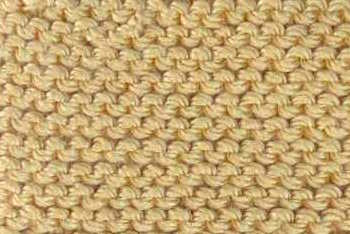
3. Garter Stitch: Garter stitch is one of the best blanket stitches of all, especially for beginners. Because every row is knit, it is easy to remember and relaxing to work over long stretches. The fabric lies flat naturally, so you do not have to fight curling edges. It also creates a soft, squishy texture that is perfect for baby blankets, comfort throws, and simple afghans.
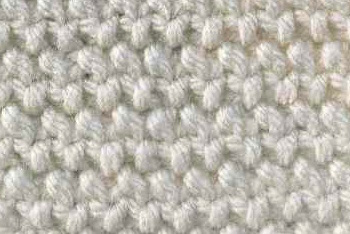
4. Seed Stitch: Seed stitch is a wonderful blanket stitch because it is textured, reversible, and lies flat. The small, pebbly surface adds visual interest without making it look overly busy. It is especially nice for baby blankets because the texture is soft and classic. Since both sides look good, it works beautifully for blankets that will be used and seen from every angle.
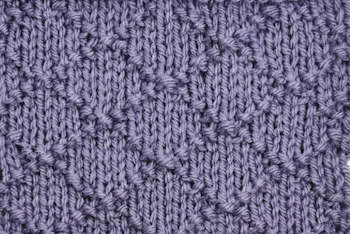
5. Diamond Brocade: Diamond Brocade can make a beautiful blanket when you want something a little more decorative and heirloom-like. The raised diamond texture gives the blanket a rich, elegant appearance that stands out best in solid or lightly heathered yarns. Because the motif repeats across the surface, it can create a very polished finished project. This is a better choice for a special throw than for the quickest beginner blanket.
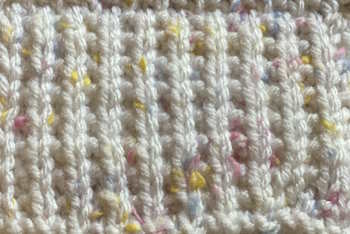
6. Broken Rib Stitch: Broken rib is a good blanket option when you want a simple stitch with subtle texture. It has more interest than plain knitting but is still easy enough to memorize and repeat over many rows. The fabric is soft, flexible, and usually reversible or nearly so, which is helpful for blankets. Like other rib-based patterns, though, it may pull in a bit, so that is worth mentioning.
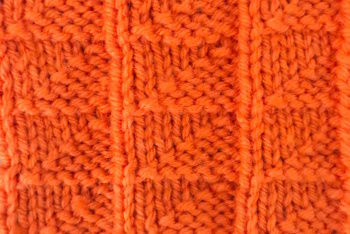
7. Flag Stitch: Flag stitch works well for blankets because it adds texture and pattern without becoming too complicated. The repeated motif gives the fabric some movement, making a large blanket look more interesting. It is also a nice way to introduce knitters to a slightly more decorative stitch without overwhelming them. This could be a good choice for a throw blanket where the texture is meant to be noticed.
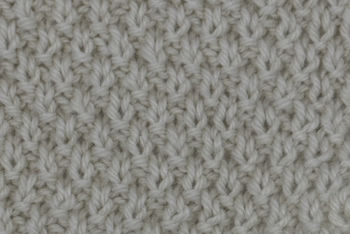
8. Double Moss: Double moss stitch is a very strong blanket choice because it has a rich texture but remains easy to knit. The pattern is simple enough to settle into, which matters on a large project like a blanket. It lies flat nicely and has a balanced look that works well on both sides. This stitch is especially good for baby blankets, cozy throws, and projects that call for classic texture.
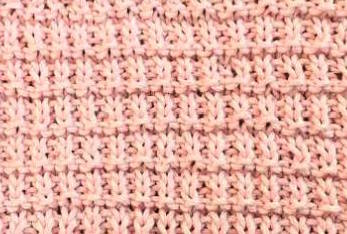
9. Hurdle Stitch: Hurdle stitch is a practical blanket stitch because it combines simple rows of knit and purl with a pleasing texture. It has enough structure to keep the blanket interesting, but it is not so complicated that it slows progress too much. The ridged effect gives the finished fabric a cozy, handmade look. It is a particularly good choice for beginner and intermediate knitters who want an easy repeat.
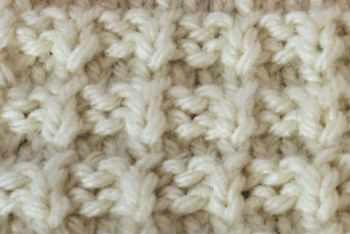
10. Waffle Stitch: Waffle stitch is one of the best knitting stitches for blankets because it creates a deep, cozy texture. The raised grid pattern adds warmth and makes the fabric feel thicker and more cushioned. It is especially appealing for blankets because the texture looks inviting and substantial. This stitch is ideal for throws, winter blankets, and baby blankets where softness and dimension matter.
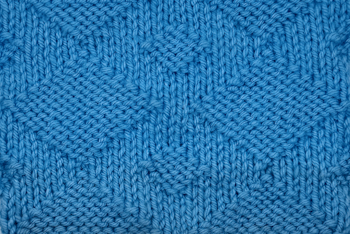
11. Giant Diamond Stitch: Giant Diamond Stitch is a beautiful option for a blanket when you want bold, geometric texture. The larger motif shows up especially well over a broad surface, making it a strong choice for afghans and decorative throws. It gives a blanket a more polished, designer look than a simpler all-over texture. This one is best for knitters who do not mind a somewhat more involved repeat.
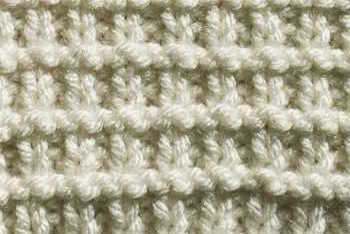
12. Knit Grid Stitch: Knit Grid Stitch makes a good blanket pattern because it creates a clear structured design without looking too busy. The grid effect adds order and visual interest, which works especially well on larger pieces like blankets. Because the texture is repetitive, it can be calming to knit once established. It is a nice choice for a modern-looking blanket with clean lines.
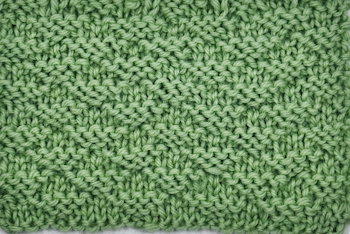
13. Little Pyramids: Little Pyramids can work well for blankets because the textured repeat gives the fabric dimension and character. The small raised shapes help break up a large expanse of knitting, making the blanket feel more special. It is also a good stitch for showing off solid colors and yarns with good stitch definition. This is a nice option for knitters who want texture without moving into cables or lace.
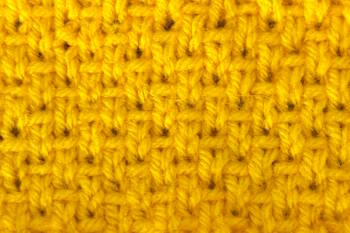
14. Half Linen Stitch: Half Linen Stitch can make a very handsome blanket because it has a woven-looking texture that feels sturdy and attractive. It is especially nice when you want the blanket to have a slightly more tailored or structured appearance. The main caution is that this stitch can be dense and less stretchy, so it may feel firmer than some other blanket stitches. For that reason, it may be better for smaller blankets, baby blankets, or decorative throws than for a giant drapey afghan.
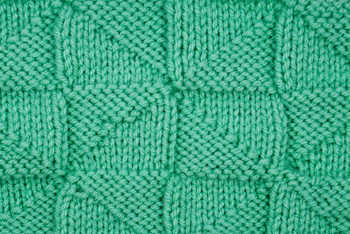
15. Pinwheel Knit Stitch: Pinwheel Knit Stitch is a lovely blanket choice when you want a fabric with movement and decorative texture. The pattern gives the surface a more dynamic look, making a plain yarn feel more interesting. Used over a blanket, it creates an eye-catching finish that feels more special than a basic knit-purl repeat. This would be a good choice for a statement throw or a gift blanket.

16. Rice Stitch: Rice stitch is excellent for blankets because it creates a soft, pebbled texture that is easy to live with and easy to knit. It has the same general appeal as seed stitch but with its own slightly different character. The fabric tends to lie flat, which is always helpful in a blanket. It is a dependable choice for baby blankets, lap blankets, and simple textured throws.
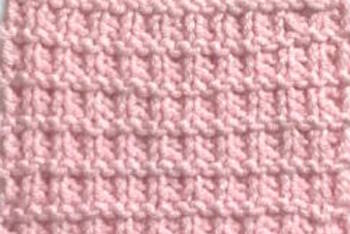
17. Ridged Rib Stitch: Ridged Rib Stitch can work for blankets if you want a fabric with noticeable vertical texture and a little elasticity. The ridges make the blanket feel cozy and can add a nice visual rhythm to the finished piece. It is fairly easy to repeat, which is useful for large projects. Still, because it is rib-based, you may want to note that it can pull inward and may not be as wide or as flat as some other stitch options.
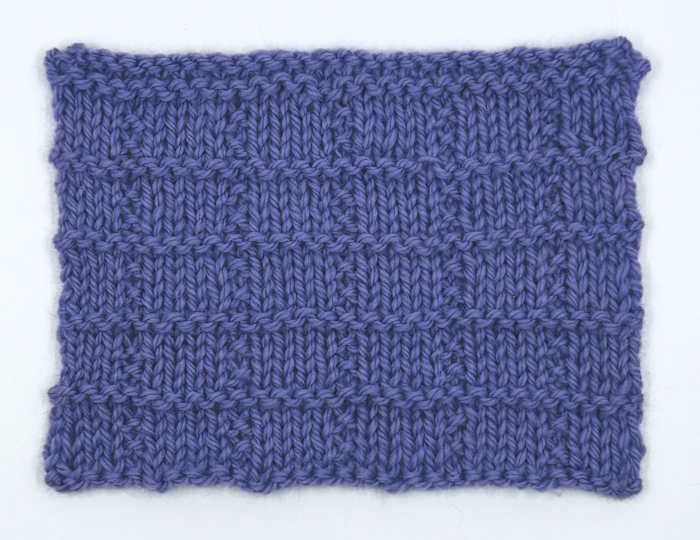
18. Tile Stitch: Tile Stitch is a strong blanket stitch because the repeated blocks create a neat, structured surface that feels orderly and decorative. That kind of geometric texture often looks especially good on larger projects where the pattern has room to develop. It is a nice choice for a blanket that you want to look polished and intentional. This stitch is especially appealing in solid yarns that showcase stitch definition.
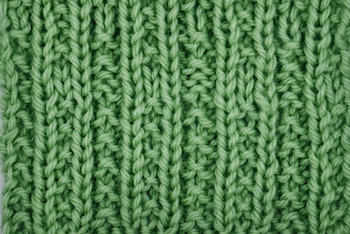
19. Twin Ribs: Twin Ribs can be used for blankets when you want pronounced vertical texture and a stretchy fabric. The repeated rib structure gives the blanket a soft, cozy feel and a nice linear appearance. It can be a pleasing option for a narrow throw or lap blanket. However, because it is a rib stitch, it is worth warning readers that the fabric may pull in, so it may not be the best all-purpose blanket stitch for everyone.
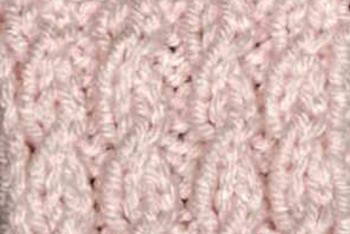
20. Mock Cable: Mock Cable can make an attractive blanket because it gives some of the look of cables without requiring a cable needle. The texture adds interest and helps the blanket feel a little more decorative and refined. It is a good option for knitters who want a slightly fancier stitch without making things too complicated. I would frame this one as best for a throw or accent blanket rather than the simplest beginner blanket.
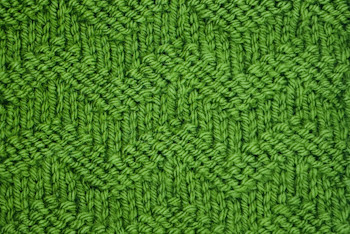
21. Waved Welt: Waved Welt is a nice blanket stitch because it creates horizontal texture with a gentle, flowing effect. That wave-like movement can give a blanket a softer, more relaxed appearance than a strict geometric stitch. It is easy to see how it would add interest across a large project without overwhelming the eye. This could work especially well for a cozy throw where texture is the main focus.
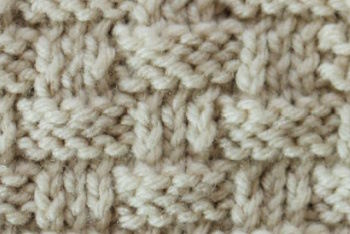
22. Basketweave Knit Stitch: Basketweave is one of the classic blanket stitches and for good reason. The woven appearance looks beautiful over a large area and gives the blanket a substantial, cozy feel. It is textured enough to be interesting but still repetitive enough to work comfortably over many rows. This stitch is especially good for afghans, throws, and any blanket meant to look timeless.
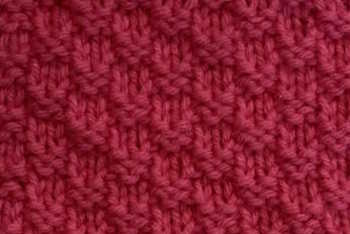
23. Box Stitch: Box Stitch is a good blanket choice because the repeated shapes create structure and interest across the fabric. On a large project, the boxy texture can look very intentional and decorative without being too difficult to knit. It adds more personality than a plain stitch but still feels practical and usable. This would work especially well for a blanket with a clean, geometric look.
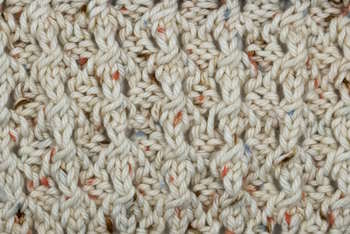
24. Puffed Rib Stitch: Puffed Rib Stitch can make a very cozy blanket because it has loft, depth, and a soft, cushioned appearance. The texture helps the blanket feel warm and inviting, which is exactly what many knitters want. It is also a good option when you want the blanket to have a richer surface than plain ribbing. As with other rib-based stitches, it is smart to mention that it may pull inward somewhat and may not lie as broadly as flatter stitches.

25. Sand Stitch: Sand Stitch is a very good blanket stitch because it is simple, textured, and easy to repeat. The small, even texture gives the fabric a soft look that works beautifully for baby blankets and lightweight throws. It also lies relatively flat, which makes it easier to use for a large project. This is one of those dependable stitches that looks good in almost any yarn and never feels overly complicated.
Do You Need a Pattern to Knit a Blanket?
Many knitters assume they need a specific pattern to make a blanket, but that is not always the case. In reality, a blanket is simply a large piece of knitted fabric, so once you choose a stitch pattern you enjoy, you can often knit a blanket by repeating that stitch across the width you want and continuing until it reaches the desired length.
Patterns can be helpful because they suggest stitch counts, borders, and finishing techniques, but they are not strictly necessary.
By selecting a stitch pattern you like and deciding how you want the blanket to be constructed, whether as one continuous piece, panels, or separate blocks, you can easily design a blanket that is uniquely your own.
Blanket Construction Options: How Blanket Stitches Are Used
When choosing knitting stitches for blankets, it is also helpful to think about how the stitches will be arranged in the finished blanket. Blankets can be constructed in several different ways, each offering its own advantages.
One Stitch Pattern Throughout the Blanket
Many blankets are worked using a single stitch pattern repeated throughout the piece. This approach is popular because it creates a consistent texture and is easy to memorize.
Simple stitch patterns perfect for beginners work especially well when repeated over a large area.
- garter stitch
- seed stitch
- waffle stitch
- basketweave patterns
Stitch Pattern Panels or Sections
These blankets are worked in several ways. Some work on entire vertical panels and then stitch them together.
Another option is to divide the blanket into sections that use different stitch patterns. Each section may feature a different texture while maintaining the same overall structure.
For example, a blanket might include panels of:
- basketweave stitch
- diamond stitch patterns
- ribbed textures
- moss stitch
This method creates visual interest without requiring complicated shaping.
Finally, many blankets are worked by alternating stitch patterns horizontally throughout the blanket
This style is ideal for:
- beginner blankets
- baby blankets
- minimalist designs
Sampler Blankets
Sampler blankets are a favorite among knitters who enjoy learning new stitches. In this design, each section of the blanket uses a different stitch pattern, creating a patchwork of textures.
Sampler blankets are great for:
- practicing new stitches
- experimenting with color combinations
- using leftover yarn
Many knitters build sampler blankets by knitting small blocks or squares using different stitch patterns. When blocks are created individually, they will need to be sewn. This is similar to the crochet granny stitch afghan.
This technique can produce beautiful geometric patterns and is often used for:
- log cabin blankets
- mitered square blankets
- modern modular designs
Common Blanket Sizes
Typical blanket sizes vary by pattern, intended use, and the amount of drape you want, but the chart below offers helpful general guidelines.
| Blanket Type | Typical Size (inches) | Typical Size (cm) | Best Use |
|---|---|---|---|
| Preemie / Doll Blanket | 18 x 24 | 46 x 61 | Tiny babies, dolls, stroller covering |
| Receiving Blanket | 30 x 30 to 36 x 36 | 76 x 76 to 91 x 91 | Swaddling, baby gift, car seat use |
| Baby Blanket | 36 x 45 | 91 x 114 | Crib, tummy time, everyday baby use |
| Toddler Blanket | 40 x 60 | 102 x 152 | Toddler bed, naps, cuddling |
| Lap Blanket | 36 x 48 | 91 x 122 | Wheelchair use, reading chair, small throw |
| Throw Blanket | 50 x 60 | 127 x 152 | Sofa, home décor, general use |
| Twin Bed Blanket | 66 x 90 | 168 x 229 | Twin bed covering |
| Full / Double Bed Blanket | 80 x 90 | 203 x 229 | Full or double bed covering |
| Queen Bed Blanket | 90 x 100 | 229 x 254 | Queen bed covering |
| King Bed Blanket | 108 x 100 | 274 x 254 | King bed covering |
Best Yarn Choices for Blanket Stitch Patterns
The yarn you choose can greatly influence how a stitch pattern looks.
Wool
Wool provides warmth and elasticity, making it excellent for textured blanket stitches. Handwashing is required for 100% wool, which makes this choice less than ideal. One way around this is to choose a superwash wool or a wool blend.
Cotton
Cotton produces crisp stitch definition and is often used for lightweight blankets. This could be a great choice for a baby blanket because it reduces the risk of allergies. Soft cottons can feel soft and luxurious against sensitive skin.
Acrylic
Acrylic yarn is durable, easy to care for, and commonly used for blankets that will be washed frequently. Again, blankets made for babies often use soft acrylic yarns. If you have pets and enjoy making blankets for them, this is an ideal choice.
Yarn Blends
Blends can combine the benefits of multiple fibers, providing both softness and durability. This may be your best choice for any type of blanket you intend to knit.
Common Mistakes When Knitting Blanket Patterns
Even experienced knitters sometimes encounter problems when knitting blankets.
Choosing Overly Complex Stitches
Those beautiful cables or complicated lace stitches may seem perfect for a blanket, and they can be, but complicated stitch patterns can slow progress on large projects.
Ignoring Gauge
You might not think gauge is important when making blankets, but without accounting for it, it can make the difference between a beautiful blanket and one that looks very amateurish. Remember that each stitch pattern can have a different gauge, so this should be taken into account when choosing different stitch patterns.
Using Yarn Without Good Stitch Definition
Highly textured stitches often look best in yarns where individual stitches are clearly visible. This is achieved when a smooth yarn is chosen.
Frequently Asked Questions
What is the easiest knitting stitch for blankets?
What is the easiest knitting stitch for blankets?
Garter stitch is usually considered the easiest because it only requires knitting every row. Other good stitch patterns for beginners include seed, box, waffle, hurdle, and double fleck stitch patterns.
Which knitting stitches lie flat?
Which knitting stitches lie flat?
Many knit stitches lie flat. The one major exception is the stockinette stitch, which tends to curl on all edges.
Most rib stitches lie flat, but many also pull inward, making them less desirable for blanket stitches.
Some good examples of stitches that lay flat include garter, seed, moss, waffle, hurdle, double moss, sand, pique rib, granite rib, and stamen stitch.
Final Thoughts on Choosing Knitting Stitches for Blankets
Choosing the right knitting stitch can transform a simple blanket into something truly special. Whether you prefer the simplicity of garter stitch, the soft texture of seed stitch, or the bold patterns created by basketweave and diamond stitches, the stitch you select will shape the look and feel of your finished blanket.
The best knitting stitches for blankets are usually those that are easy to repeat, lie relatively flat, and create durable fabric that holds up well over time. Many knitters also choose stitches that provide texture, since raised patterns add warmth and visual interest to large projects.
If you are new to knitting blankets, start with a simple stitch pattern and allow the beauty of the yarn and the rhythm of the stitches to guide your project. As you gain confidence, you can experiment with more textured or decorative patterns.
No matter which stitch you choose, a handmade blanket is always a meaningful project. With the right stitch pattern and a little patience, you can create a cozy blanket that will be used and appreciated for years to come.
Disclosure:
This post contains affiliate links. If you buy through them, I may earn a small commission at no extra cost to you.

Janice Jones is a Certified Knitting and Crochet Instructor who creates beginner-friendly patterns and tutorials, backed by a 389-page library of practical knitting and crochet content.
Most Popular Pages
Comprehensive Guide to Yarn

All Types of Crochet Stitches
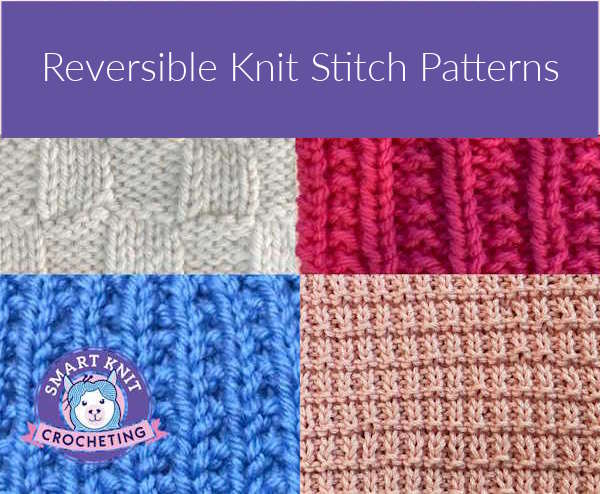
36 Reversible Knit Stitch Glossary
How to Crochet the Second Row
Dog Sweater Patterns

Working with Alpaca Yarn
Free eBooks, Just for You
Get my beginner eBook guides to Knitting and Crocheting, just for signing up for my monthly newsletter.
Choose one or both when you sign up.
About the Author: Please allow me to introduce myself
Janice Jones is a Certified Knitting Instructor and Certified Crochet Instructor through the Craft Yarn Council who focuses on beginner-friendly patterns, stitch guides, and technique tutorials. She has built a library of 389 pages on her website, sharing practical instructions and patterns, and has completed projects ranging from crochet blankets to knit sweaters. You can explore her work on her website. She makes items for Warm Up America and often knits and crochets sweaters for her small dogs.
Thank you for visiting Smart-Knit-Crocheting. I hope this and all of my tutorials will give you the inspiration to continue your knit or crochet journey. For a complete list of all the pages on my site, please visit my table of contents.
I participate in the Amazon Services LLC Associates Program, an affiliate advertising program designed to provide a means for sites to earn advertising fees by advertising and linking to Amazon.com. “As an Amazon Associate I earn from qualifying purchases.” These earnings go towards supporting my website.
Home | Contact | About | Privacy Policy | Disclaimer
I DO NOT SELL ANY PERSONAL INFORMATION FROM THIS WEBSITE. PLEASE SEE MY PRIVACY POLICY FOR MORE DETAILS.
Copyright © 2006-2026 Smart Knit Crocheting. All Rights Reserved
Please Share
Remember, Sharing is Caring